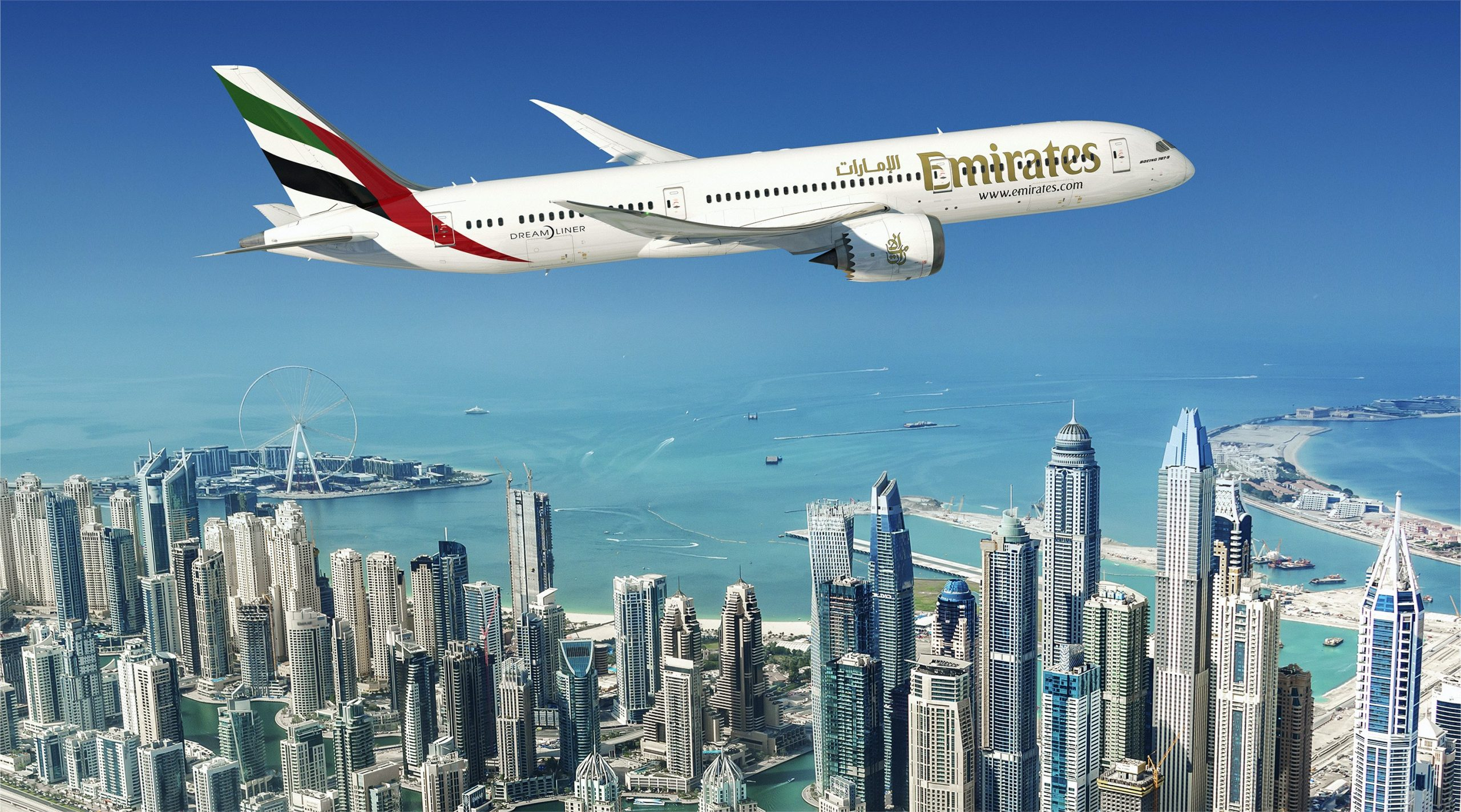
Dubai’s Emirates Signs Preliminary Deal to Add Crypto Payments via Crypto.com

Emirates airline has signed a preliminary agreement with Crypto.com to enable customers to pay for flights using the crypto trading platform’s payment service, the carrier’s parent company announced on Wednesday. The partnership is expected to launch next year and aims to attract younger, tech-savvy travelers who prefer using digital currencies, said Adnan Kazim, Emirates’ deputy president and chief commercial officer.

The United Arab Emirates (UAE) has rapidly positioned itself as a global hub for cryptocurrency businesses, with numerous firms establishing operations or expanding in the region. The country already permits cryptocurrency payments in sectors such as real estate, education fees, and transportation.

Dubai, in particular, has been proactive in regulating the virtual asset industry, establishing the Virtual Assets Regulatory Authority (VARA) in 2022. The Dubai Multi Commodities Centre (DMCC), one of the city’s largest free zones, currently hosts over 650 crypto companies.

Other Gulf-based airlines have also embraced cryptocurrencies recently. For example, Dubai-listed Air Arabia announced in May that it would accept AE Coin, a UAE dirham-backed stablecoin, for flight bookings.

The Emirates-Crypto.com deal marks a significant step toward integrating cryptocurrencies into mainstream airline payments and reflects the broader trend of digital currencies gaining traction in the Gulf region.

EssilorLuxottica Shares Surge After Meta Acquires Nearly 3% Stake

Shares of EssilorLuxottica (ESLX.PA), the Franco-Italian eyewear giant known for Ray-Ban, jumped 5.4% to 252 euros on Wednesday, becoming the top performer on the STOXX 600 index. The rise followed reports that Meta Platforms (META.O) acquired a nearly 3% stake in the company, valued at about 3 billion euros ($3.5 billion).

Meta, the parent company of Facebook and Instagram, already partners with EssilorLuxottica on smart glasses production and is reportedly considering increasing its stake to around 5%. Neither company immediately commented on the transaction.

Analysts at Bernstein interpret Meta’s investment as a strong endorsement of EssilorLuxottica’s potential in the smart glasses market. The move builds on discussions between the two firms last year and signals deeper collaboration in wearable technology.

Earlier this year, Meta announced a partnership with Oakley, an EssilorLuxottica brand, to develop AI-powered smart glasses named “Oakley Meta HSTN.” These glasses feature a hands-free high-resolution camera, open-ear speakers, water resistance, and integrated Meta AI capabilities, marking an expansion beyond the successful Ray-Ban Meta glasses launched in 2023.

EssilorLuxottica CEO Francesco Milleri has expressed ambitions to increase smart glasses production capacity and extend partnerships with Meta across more brands, highlighting the growing intersection of eyewear and artificial intelligence.

Pakistan Seeks YouTube Ban on Over Two Dozen Critics Including Journalists

Alphabet-owned YouTube has informed more than 25 Pakistani critics, including journalists and opposition figures, that their channels could be blocked following a court order labeling them “anti-state.” The Islamabad judicial magistrate issued the order on June 24 after the National Cyber Crime Investigation Agency (NCCIA) accused these channels of sharing “highly intimidating, provocative and derogatory” content against state institutions.

Among those targeted are the main opposition party Pakistan Tehreek-e-Insaf (PTI), its jailed former leader Imran Khan, and several journalists critical of the government. YouTube warned the creators that failure to comply with the court could result in immediate blocking of their channels in Pakistan.

Pakistan’s Interior Minister Talal Chaudhry indicated the creators could face criminal charges, emphasizing laws against using social media to “create chaos.” The crackdown follows broader efforts by Islamabad to regulate digital content and curb dissent, with prior temporary bans on platforms like X, Facebook, and TikTok.

Critics argue this move undermines free speech in Pakistan, where traditional media faces severe restrictions. Journalists like Asad Toor, who has over 333,000 subscribers, condemned the ban as an attack on constitutional rights and a way to silence voices opposing state oppression.

PTI spokesman Zulfikar Bukhari said the government is suppressing human rights abuses and dissenting narratives after Imran Khan’s 2022 removal from office—a claim denied by Pakistan’s military. The court order is part of stricter laws, including a 2025 amendment allowing tribunals to impose up to three years’ imprisonment and fines for sharing “false or fake” content.

Digital rights advocates criticize the process for lacking due legal procedure, with creators like Toor planning to challenge the ban legally, calling it “dictatorial” and asserting that digital suppression cannot silence them.