Datadog Raises Q3 Revenue Forecast Amid Growing Cloud Security Demand

Datadog, the cloud security and monitoring firm, projected third-quarter revenue above Wall Street expectations on Thursday, driven by increasing enterprise investment in AI and cloud technologies. The company’s shares surged over 10% in premarket trading.

Datadog’s platform, used by clients like Samsung, NASDAQ, and Comcast, supports real-time monitoring and analytics of cloud applications to ensure performance, reliability, and security. As businesses accelerate cloud migration and AI adoption, demand for Datadog’s products has risen significantly.

The company unveiled 125 new innovations designed to enhance customers’ ability to observe, secure, and manage complex cloud and AI environments. For Q3, Datadog anticipates revenue between $847 million and $851 million, exceeding analyst estimates of $819.9 million, and adjusted earnings per share of 44 to 46 cents, above the 42-cent forecast.

In Q2, Datadog reported revenue of $827 million, beating estimates of $791.1 million, with adjusted earnings per share of 46 cents versus expected 42 cents.

Deutsche Telekom Teams Up with Nvidia and Brookfield to Build AI Data Centre in Germany

Deutsche Telekom is collaborating with Nvidia and Canadian private equity firm Brookfield to develop one of the European Union’s major AI “gigafactories” in North Rhine-Westphalia, Germany, CEO Tim Hoettges announced following the company’s Q2 earnings call.

While negotiations with North Rhine-Westphalia officials are ongoing, no final site decision has been made yet. The company is prioritizing locations with existing infrastructure approvals for electricity and water, aiming for a swift start once the site is confirmed. Hoettges mentioned ongoing discussions with energy provider RWE as part of the process.

Earlier this year, Deutsche Telekom had partnered with SAP, web hosting firm Ionos, and retailer Schwarz for EU data centre bids, though recent reports indicate these companies are now pursuing separate proposals. Hoettges emphasized healthy competition within Germany’s data centre market, dismissing speculation of joining other consortia.

The planned AI data centre aligns with growing efforts to boost European AI infrastructure capacity, with Deutsche Telekom positioning itself alongside key tech and investment partners to capitalize on surging AI demand.

U.S. Orders Diplomatic Lobbying Against EU’s Digital Services Act Over Free Speech Concerns

The Trump administration has directed U.S. diplomats in Europe to launch a lobbying campaign opposing the European Union’s Digital Services Act (DSA), citing concerns that the law imposes excessive restrictions on free speech and creates burdensome costs for U.S. tech companies.

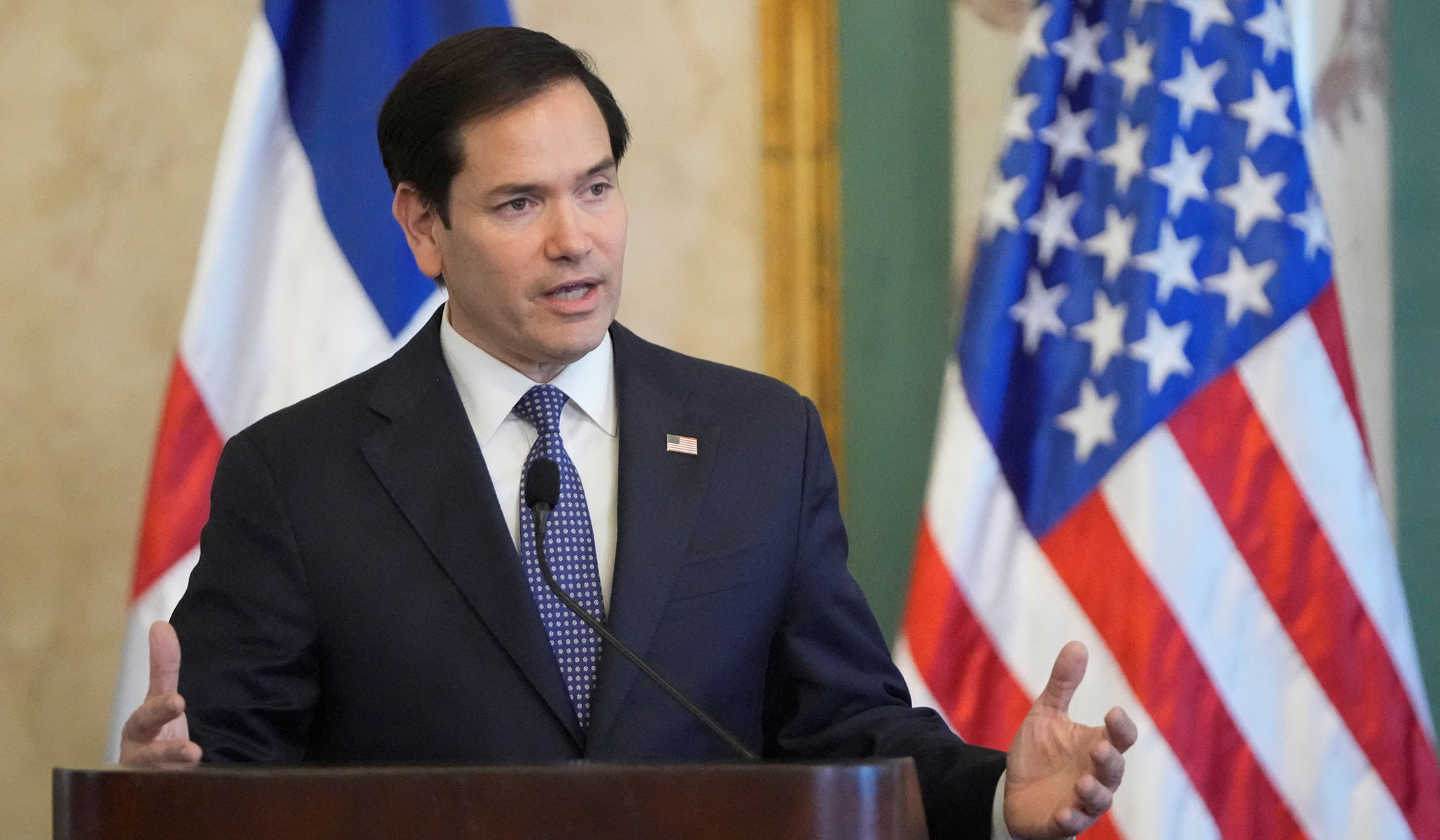
An internal State Department cable dated August 4, signed by Secretary of State Marco Rubio, instructs American diplomats to actively engage with EU governments and digital regulators to build support for repealing or amending the DSA and related legislation. The memo labels parts of the law as “undue” limits on expression under the guise of combating hate speech and misinformation.

The DSA is designed to hold tech companies accountable for illegal content online, such as hate speech and child sexual abuse material. However, the Trump administration views it as an infringement on free speech, especially political and religious expression, and has criticized the EU for what it sees as censorship targeting conservative voices.

Rubio’s directive includes specific talking points urging diplomats to push for narrowing the definition of illegal content, scaling back fines for non-compliance, and reducing reliance on “trusted flaggers” — entities authorized to report illegal content to platforms. It also calls for investigations into censorship cases affecting U.S. citizens and companies, including arrests and online suspensions linked to the DSA.

The European Commission rejects censorship accusations, emphasizing freedom of expression as a fundamental right. It maintains that the DSA aims to keep digital markets open and is not intended to target U.S. companies. EU officials also assert that the DSA and related tech laws are not part of ongoing trade negotiations with the U.S.

The lobbying effort marks an escalation of U.S. efforts to assert its free speech traditions internationally and intensifies tensions with European allies, with previous criticisms from officials such as Vice President JD Vance accusing Europe of suppressing certain political groups.

U.S. tech giants, including Meta and Tesla, have voiced concerns over the DSA. Meanwhile, the U.S. Federal Communications Commission chairman has criticized the law’s compatibility with American free speech norms. Rubio has even threatened visa bans on foreign officials involved in “censoring” Americans.