
Hong Kong Stablecoin Law’s Strict Client Identity Rules Raise Industry Concerns

Hong Kong’s newly enacted stablecoin ordinance, effective August 1, places the city among the first global markets to regulate fiat-backed stablecoin issuers, aiming to position Hong Kong as a leading virtual asset hub. However, the stringent customer identification (KYC) requirements embedded in the law are causing apprehension within the industry.

The regulation mandates stablecoin issuers to verify the identity of every single holder, a move that challenges the cryptocurrency market’s traditional emphasis on privacy and anonymity. Industry insiders warn that this high level of scrutiny could deter users and impede widespread adoption of stablecoins in Hong Kong.

Bo Tang, head of the HKUST Institute for Financial Research, highlighted the potential drawbacks, noting that businesses using Hong Kong-regulated stablecoins for cross-border payments might force recipients to open Hong Kong-based accounts solely to complete KYC checks. This real-name requirement could strip stablecoins of their usual advantages over traditional payments, such as efficiency and privacy.

The Hong Kong Monetary Authority (HKMA), which regulates the sector, defends the measures as crucial to combating money laundering and terrorism financing, reflecting a cautious approach during the industry’s early regulatory phase.

Compared to other regions, Hong Kong’s KYC rules are reportedly tougher than the U.S.’s new stablecoin legislation, the GENIUS Act, which also came into effect recently. Ricky Xie, a crypto trader based in Hong Kong, remarked that many overseas users might opt out due to these strict rules, potentially excluding users who rely on unhosted, anonymous wallets.

HKMA expects to issue only a small number of stablecoin licenses starting early next year, with primary users likely to be mainland Chinese firms employing stablecoins for cross-border trade and remittances. Market observers also suggest that the rigorous regulation might be designed to temper speculative enthusiasm around stablecoin investments in Hong Kong.

Following the ordinance’s enforcement, several stablecoin-related concept stocks, including ZhongAn Online and Bright Smart Securities & Commodities, saw significant declines after previous gains.

Taiwan Investigates 16 Chinese Firms for Poaching Semiconductor and High-Tech Talent

Taiwan authorities launched an investigation into 16 Chinese companies accused of illegally recruiting semiconductor engineers and other high-tech workers, amid intensifying concerns about technology leakage to China. From July 15 to August 6, over 300 agents conducted raids at 70 locations and questioned 120 individuals linked to Chinese firms suspected of operating unlicensed offices and covert hiring practices in Taiwan.

The targeted companies include major players in chip design, semiconductor manufacturing, and electronics. Notable firms under scrutiny include Goertek, Victory Giant Technology (a key Nvidia supplier and PCB maker), NOVOSENSE Microelectronics, and VNET Group, a Nasdaq-listed Chinese data centre operator. None of the companies immediately responded to requests for comment.

Taiwanese law restricts Chinese investments in critical parts of the semiconductor supply chain, such as chip design, and mandates government reviews for areas like chip packaging. Chinese firms have reportedly circumvented these restrictions by operating shell companies registered abroad, using hiring agencies, and failing to obtain official approvals.

The Taiwan Investigation Bureau emphasized the strategic importance of safeguarding the island’s semiconductor and integrated circuit design industries, which are vital to its economic strength and global technological leadership. A special task force has handled over 100 similar cases since late 2020.

Taiwan’s government remains firm in protecting its high-tech workforce and industry from illicit talent poaching as tensions over technology and sovereignty with China continue to rise.

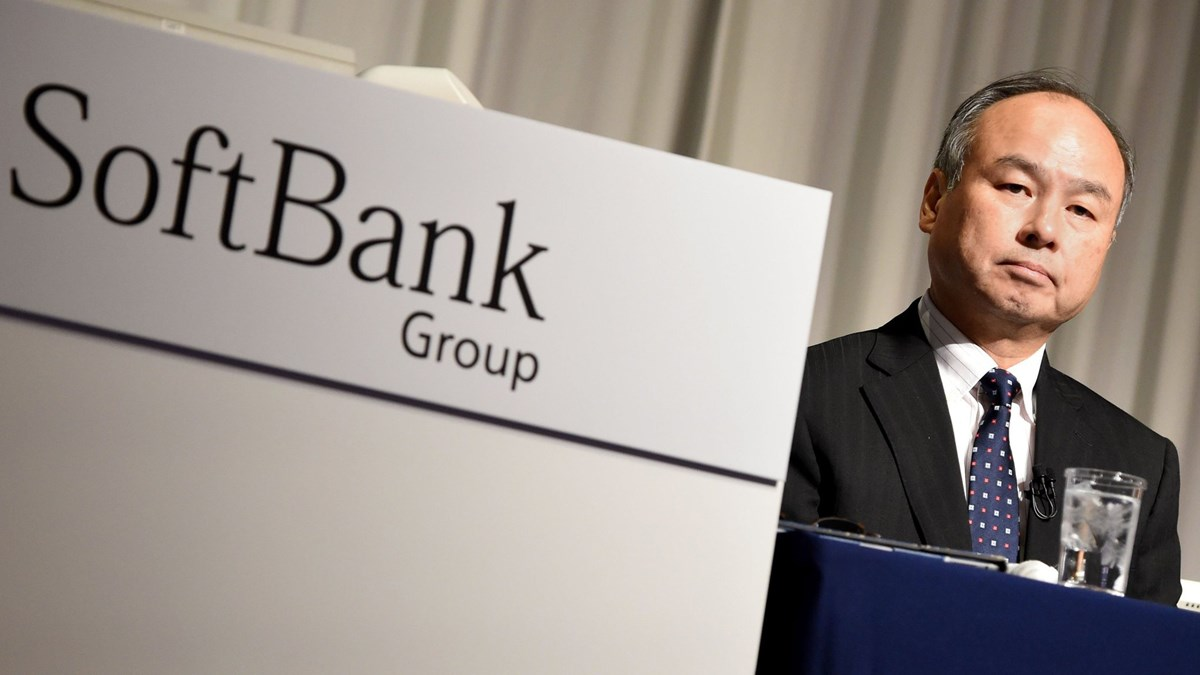
SoftBank Group Swings to Profit in Q1 as AI Investments Drive Gains; Stargate Data Centre Project Faces Delays

SoftBank Group reported a net profit of $2.87 billion for the first quarter, fueled by strong valuations in its Vision Fund portfolio, particularly in AI-related investments. The Japanese technology investor’s turnaround from a loss a year ago is timely as it embarks on a large spending spree focused on artificial intelligence companies.

However, the company’s ambitious $500 billion Stargate project to develop U.S. data centres is delayed due to extended negotiations and site selection, SoftBank CFO Yoshimitsu Goto said. Despite the slower-than-expected pace, SoftBank is advancing with several identified sites and remains committed to building out the data centres over four years.

SoftBank’s Vision Funds now hold $45 billion in late-stage companies poised for IPOs, up from $36 billion in March, partly reflecting the recent $7.5 billion Vision Fund 2 investment in OpenAI. The Vision Fund posted a Q1 investment gain of about $4.94 billion, with South Korean e-commerce firm Coupang’s share price surge accounting for half of that gain.

SoftBank leads a $40 billion funding round for OpenAI, with $22.5 billion due by year-end. Founder Masayoshi Son aims to position SoftBank as a key “organiser of the industry” through strategic AI investments and the Stargate initiative.

SoftBank has also raised $7.8 billion recently by partially selling its stake in T-Mobile. However, the Vision Funds’ overall realized gains remain modest—only about $5 billion out of $172.2 billion committed capital as of June’s end—highlighting challenges in monetizing investments.