
Taiwan leverages chip power for diplomacy at Semicon trade show

At this year’s Semicon trade show in Taipei, Taiwan elevated its “chip diplomacy” strategy, using its dominance in the semiconductor industry to strengthen diplomatic ties with both established allies and new partners.

Taiwan’s TSMC, the world’s largest contract chipmaker, sits at the center of global supply chains but Taiwan itself remains diplomatically isolated due to China’s sovereignty claims. To counter this, Taiwan’s foreign ministry co-sponsored a Semicon geopolitics panel for the first time, where Foreign Minister Lin Chia-lung described semiconductors and AI as “strategic resources” and stressed the need for trusted, “non-red” supply chains outside China.

The outreach comes as Taiwan courts “like-minded” democracies in Central and Eastern Europe, where sympathy has grown following Russia’s invasion of Ukraine. Czech Science Minister Marek Zenisek, speaking alongside President Lai Ching-te, highlighted shared democratic values and pitched his country as a supplier for TSMC’s first European fab in Dresden, Germany.

But Semicon also drew less expected guests. Costa Rica, which cut ties with Taiwan in 2007 in favor of China, attended for the first time with a national pavilion. And in another first, a group of 10 African tech entrepreneurs joined, supported by the French-African Foundation. Joelle Itoua Owona, CEO of AfriWell Health in the Republic of Congo, said African governments want to diversify partnerships beyond China, calling Taiwan “an additional friend.”

With 17 country pavilions—the most ever— this year’s Semicon showcased how Taiwan’s chip industry has become a powerful diplomatic tool. Beyond chips and AI, the trade show highlighted Taiwan’s role in building global coalitions at a time of intensifying pressure from Beijing.
China investors stay bullish on Cambricon despite index reshuffle

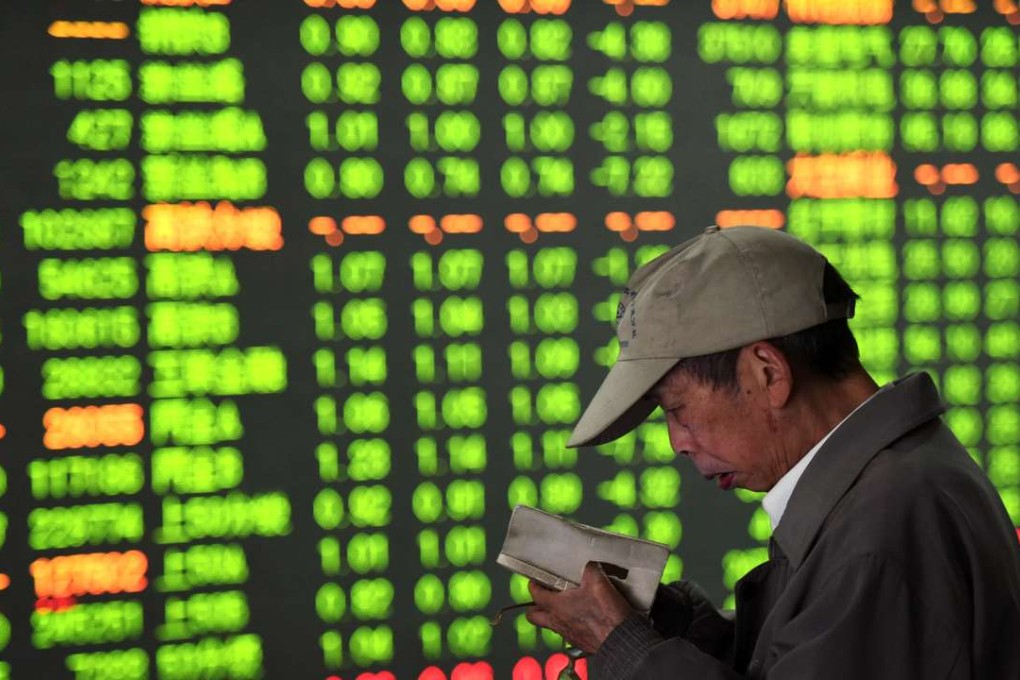
Cambricon Technologies, often dubbed China’s Nvidia, faces more than 8 billion yuan ($1.1 billion) in passive outflows due to a quarterly rebalancing of the STAR50 Index, but analysts say investor confidence in the AI chipmaker remains intact.

The company’s stock, which more than doubled in August, exceeded the 10% cap for individual weightings in the tech-heavy index. Though Cambricon shares fell 14% last week on profit-taking and rebalancing fears, they have since rebounded 10%, hovering near record highs.

Valuations are eye-watering—Cambricon trades at 521 times earnings, compared with Nvidia’s multiple of 50—but Beijing’s push for tech self-sufficiency, the DeepSeek AI breakthrough, and large-scale investments by Alibaba, Tencent, and Baidu continue to fuel the rally.

“Maybe some investors will use it as a reason to take profit, but I don’t think that will affect the long-term trend,” said Shihao Li, analyst at CLSA. Gavekal’s Tilly Zhang added that optimism is growing that China’s AI sector has entered a “self-sustaining cycle of rising investment and higher profitability.”

Cambricon’s fundamentals have helped power the surge. First-half revenue jumped to 2.9 billion yuan ($407 million) from just 64.8 million yuan a year earlier, swinging to a 1 billion yuan profit. The company forecasts 5–7 billion yuan in operating revenue for 2025.

Still, risks remain. Some fund managers warn of a speculative bubble, while others argue that growth potential tied to China’s strategic need to replace foreign AI chips may justify lofty valuations.

Broader Chinese markets are riding the same wave. The CSI AI Index is up 60% this year, far outpacing the 15% gain in the CSI300, and the Shanghai Composite has hit levels not seen in a decade.

The spotlight now shifts to whether Cambricon can sustain profitability and meet surging demand for AI chips—critical to maintaining its role as the flagship of China’s AI boom.

FDA clears Apple Watch hypertension detection feature

The U.S. Food and Drug Administration (FDA) has given Apple the green light to introduce a hypertension detection feature on its latest smartwatch models. The approval marks another step in Apple’s push to expand its footprint in digital health technology.

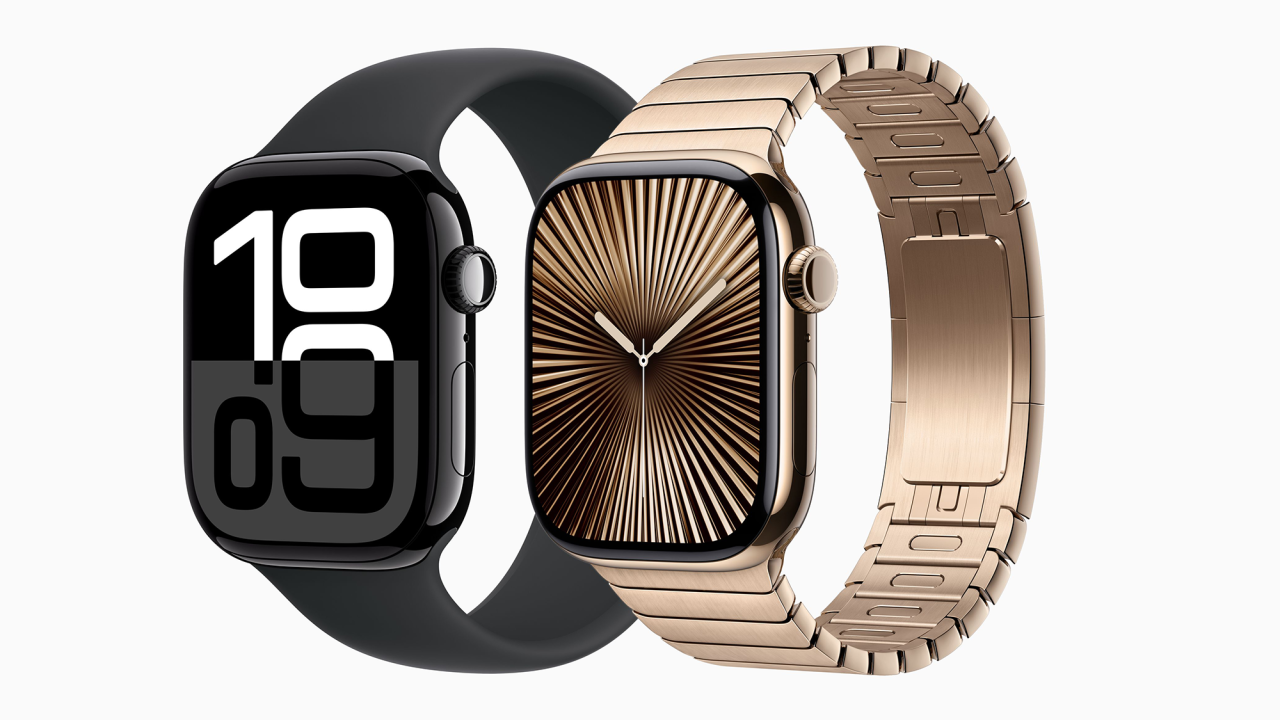
Apple showcased the feature during its September 9 launch event, alongside a new iPhone lineup. The feature will be available later this month on the Apple Watch Series 9, Series 10, Series 11, and the Ultra 2 and Ultra 3 models, with plans to roll out in 150 countries and regions, including the U.S. and EU.

Using the watch’s optical heart sensor, the system analyzes how blood vessels respond to heartbeats. Instead of taking single-time readings like a traditional cuff monitor, the algorithm works passively, reviewing data across 30-day periods. If it finds consistent signs of hypertension, the watch sends the user an alert.

Apple emphasized the tool is not meant to diagnose or capture every case of high blood pressure, but could warn an estimated one million users worldwide.

Bloomberg had earlier reported the feature would begin rolling out as soon as next week. Apple has not commented further on the timeline.