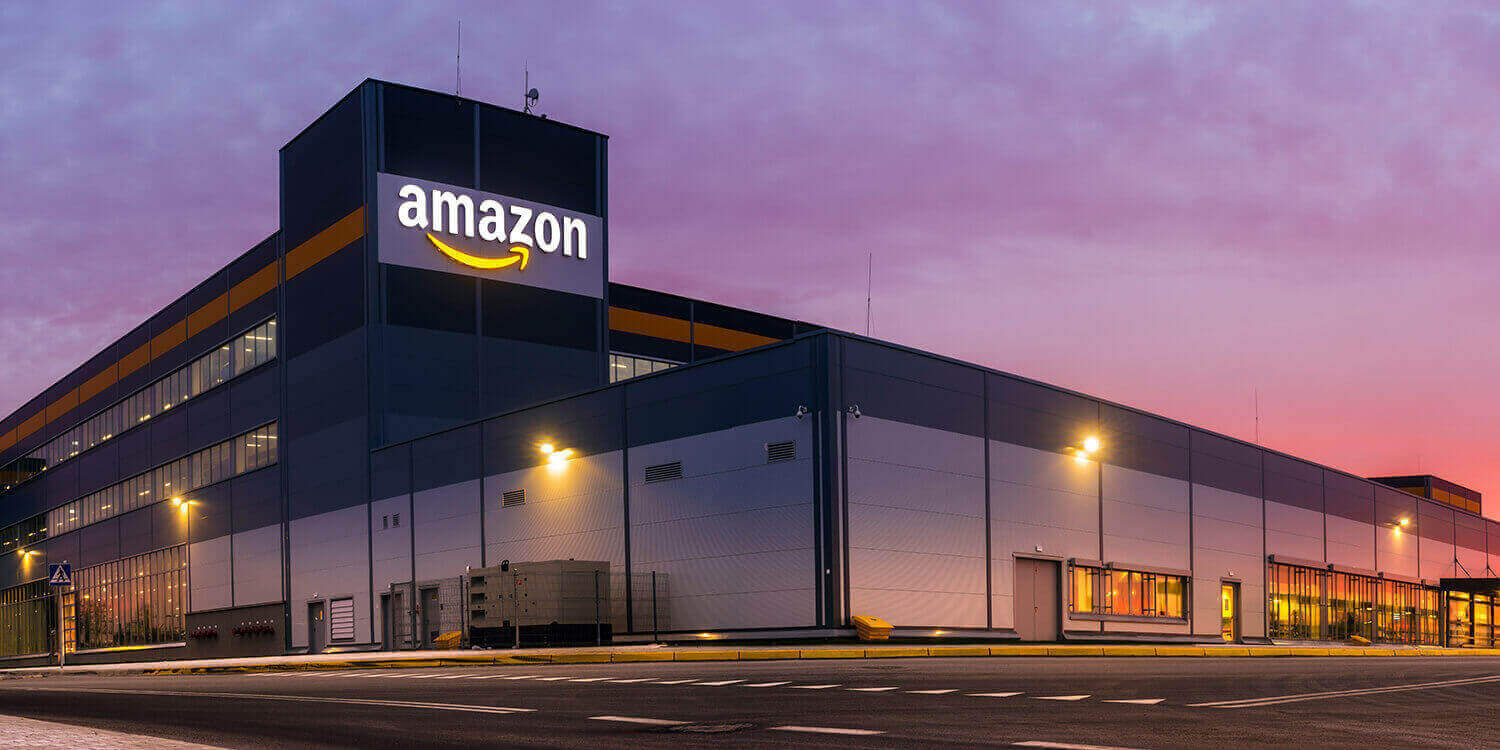
Amazon Developing Consumer AR Glasses to Compete With Meta

Amazon is working on augmented reality (AR) glasses for consumers, according to a report from The Information. The project, internally codenamed “Jayhawk,” would mark Amazon’s first major step into the consumer AR market, setting up direct competition with Meta Platforms.

The AR glasses are expected to feature microphones, speakers, a camera, and a full-color display in one eye, with a planned rollout in late 2026 or early 2027. Amazon declined to comment on the report.

This initiative builds on Amazon’s earlier work with specialized AR eyewear for delivery drivers, revealed in a Reuters exclusive last year. That model, designed to provide turn-by-turn navigation on a small screen, is set for release as early as the second quarter of 2026, with an initial production of about 100,000 units.

Both the delivery glasses and the consumer version will share the same underlying display technology, but the consumer model will reportedly be sleeker and less bulky, offering a full-color experience tailored to everyday use.

The move positions Amazon directly against Meta, which has invested heavily in AR eyewear. Meta is expected to unveil a new version of its AR glasses at its Connect conference next week, building on the success of its Ray-Ban Meta line, developed with EssilorLuxottica’s Oakley, which has sold millions of units since its 2023 launch.

If Amazon delivers on its timeline, the consumer AR market could see a major clash between two of the world’s largest tech companies by 2027.
Klarna Shifts AI Strategy From Cost-Cutting to Growth After U.S. IPO

Swedish fintech Klarna is recalibrating its use of artificial intelligence, shifting from aggressive cost-cutting to enhancing customer services and long-term growth. CEO Sebastian Siemiatkowski told Reuters that while AI had helped streamline operations, the company “probably over indexed” on savings and is now focused on improving its products and merchant offerings.

The comments came as Klarna debuted on the New York Stock Exchange on Wednesday. Its shares opened at $52, a 30% jump above the $40 IPO price, giving the buy-now, pay-later lender a market capitalization of $19.7 billion. The IPO raised $1.37 billion, valuing Klarna at around $15 billion and marking the largest U.S. market debut by a Swedish firm since Spotify.

Klarna has leaned heavily on AI in recent years, cutting staff from 5,000 to 3,800 and using chatbots to replace 700 customer service roles. The company said AI had slashed customer query resolution times from 11 minutes to just 2 minutes. It also experimented with an AI avatar of Siemiatkowski for earnings presentations and even launched a hotline where customers could speak to an interactive version of the CEO.

However, the company has since realized that cost savings alone—like the $2 million saved by replacing Salesforce with in-house AI data tools—carry little weight with investors. Instead, Klarna is refocusing on growth, customer satisfaction, and productivity. Siemiatkowski emphasized that investors “are going to look for growth, and they’re going to look to what we offer our customers and how that’s doing.”

The company, now hiring again with more than two dozen job openings, sees AI as a tool for scaling services rather than just trimming expenses. CFO Niclas Neglen stressed that AI’s role “is definitely not just a cost play… it’s going to help us provide better services to consumers and merchants over time.”

Siemiatkowski, who holds about 7% of Klarna, did not sell shares in the IPO. Reflecting on the milestone, he compared it to a wedding: “It’s a big party and then life goes on, and you get kids and other things happen.”

U.S. Warns of Hidden Radios in Solar-Powered Highway Infrastructure

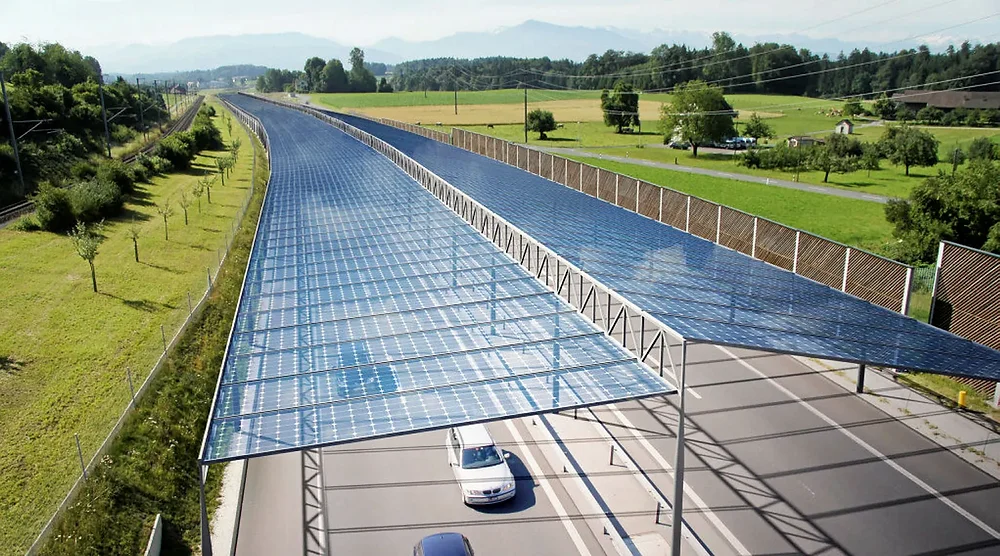
U.S. transportation officials have issued a security advisory warning that solar-powered highway equipment — including electric vehicle chargers, weather stations, and traffic cameras — may contain undocumented cellular radios and other rogue devices hidden inside imported inverters and battery systems.

The advisory, circulated by the Federal Highway Administration (FHWA) on August 20 and reviewed by Reuters, follows discoveries of undocumented communications components in foreign-manufactured power inverters and battery management systems (BMS). While the note did not name a country of origin, many inverters are produced in China, and the warning aligns with rising U.S. scrutiny of Chinese technology in critical infrastructure.

Officials fear such hidden radios could allow remote tampering, enabling disruptions ranging from synchronized outages to the manipulation of roadside systems essential for autonomous vehicle operations. Anomadarshi Barua, a George Mason University researcher, said compromised inverters could be exploited to trigger power surges or send malicious commands, “creating a lot of havoc.”

Earlier this year, U.S. energy officials raised alarms after rogue communications hardware was found in Chinese-made inverters and batteries. Denmark’s grid operators also reported unexplained electronic components in imported energy equipment.

The FHWA memo urged transportation authorities to inventory inverters, conduct spectrum scans for unauthorized signals, remove undocumented radios, and ensure network segmentation to limit exposure.

China’s Embassy in Washington rejected the warnings, denouncing what it called the “distortion and smear of China’s achievements in energy infrastructure.”

The warning adds to broader U.S. measures targeting Chinese technology. Washington has already moved to ban most Chinese cars and trucks from the U.S. market by late 2026 over concerns that vehicle software and sensors could be used for data collection or surveillance.