AI-Guided Cameras Enable Solo Surgery in Breakthrough for Surgical Automation

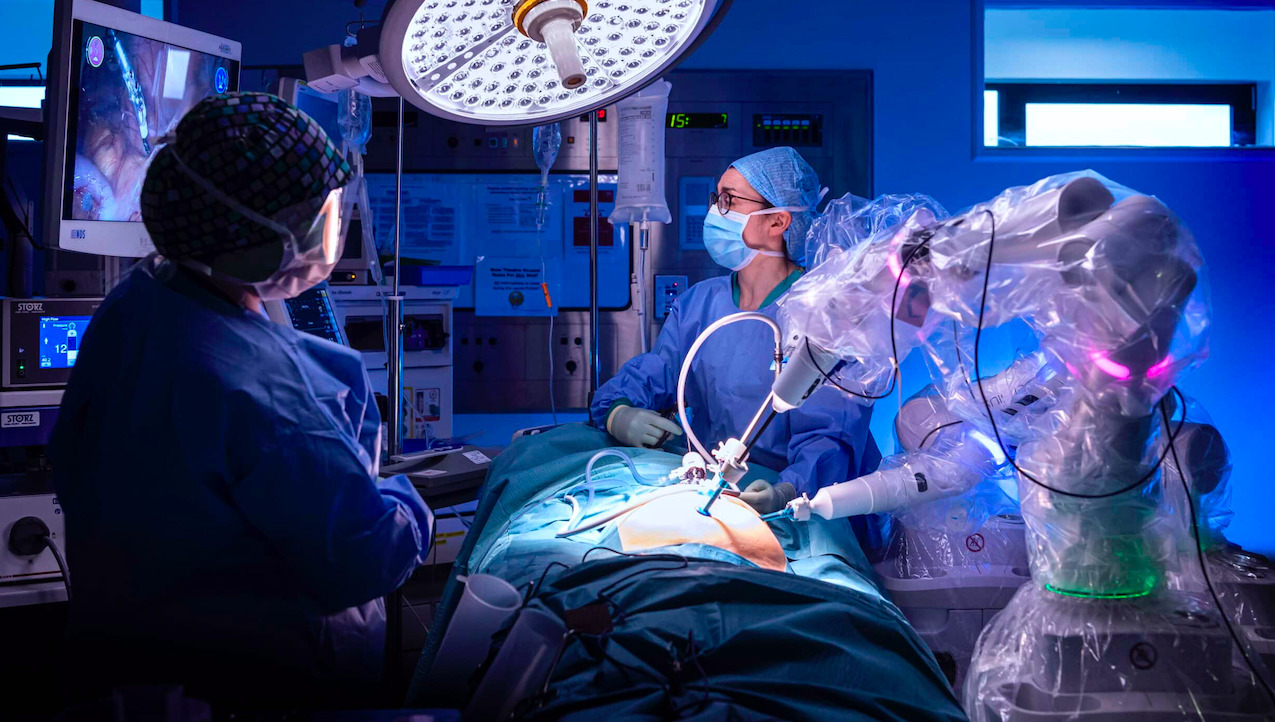
For the first time in Chile, a surgeon successfully performed laparoscopic gallbladder removal solo using an AI-guided autonomous camera, marking a milestone in the march toward surgical automation.

Key Event

  • Dr. Ricardo Funke, chief of surgery at Clinica Las Condes in Santiago, carried out the operation without a human assistant.

  • The AI-powered camera tracked his instruments in real time, automatically adjusting angles to provide optimal visualization.

  • The procedure also used magnetic surgical instruments, further enhancing precision.

Why It Matters

  • Traditionally, laparoscopic surgeries require a camera operator.

  • With AI, one surgeon can handle the entire operation, boosting efficiency and reducing reliance on additional staff.

  • This advancement represents a practical step toward fully automated surgeries.

Wider Context

  • The global surgical robotics market is forecast to expand from $15.6 billion in 2024 to $64.4 billion by 2034 (Precedence Research).

  • In July, Johns Hopkins University demonstrated an AI-guided robot performing complex procedures on pig organs, highlighting global momentum in the field.

  • The technology in Santiago was developed by Levita Magnetics, whose CEO Alberto Rodriguez said the procedure is “the first step in surgical automation with a real patient.”

Outlook

  • AI-guided tools may soon play a central role in improving surgical precision, reducing risks, and enabling wider access to care.

  • While full autonomy remains a future goal, hybrid approaches—where AI assists human surgeons—are rapidly moving from research labs to real operating rooms.

Jaguar Land Rover Confirms Data Impact in Cybersecurity Breach

Jaguar Land Rover (JLR) confirmed Wednesday that “some data” was compromised in a cybersecurity incident disclosed last week, which has disrupted both production and sales at the luxury carmaker.

Key Details

  • JLR has not specified the type of data affected.

  • The company said it is working with authorities and forensic teams to investigate.

  • Impacted individuals or entities will be contacted directly if necessary.

Context

  • JLR, owned by India’s Tata Motors, shut down internal systems last week to contain the breach.

  • The company is already facing launch delays and slowing demand, making the disruption more challenging.

  • UK media outlets have linked the incident to several cybercriminal groups, though JLR has not confirmed responsibility claims.

Next Steps

  • The forensic investigation is ongoing.

  • JLR says it will continue updating authorities and stakeholders as more details emerge.

  • Disruptions could potentially last several weeks.

UK Regulator Proposes Scrapping £100 Cap on Contactless Card Payments

The Financial Conduct Authority (FCA) has proposed removing the current £100 limit on contactless card transactions in Britain, allowing banks and card providers to set their own thresholds.

Key Points

  • Current cap: £100 ($135.35).

  • Proposal: Card providers gain flexibility to set limits based on customer needs.

  • Rationale: Supports economic growth and prioritises digital solutions, part of 50 FCA measures announced earlier this year.

Customer Protection

  • Cardholders can already adjust their own limits or disable contactless.

  • Fraud protections remain in place: providers must refund money if cards are used fraudulently.

FCA Statement

David Geale, FCA’s Executive Director of Payments and Digital Finance, said:

“While we wouldn’t expect to see immediate changes to limits by firms, they would have the flexibility to make payments more convenient for customers.”

Timeline

  • Consultation period: Open until October 15.

  • Potential rollout depends on industry feedback and FCA’s final decision.