Alibaba’s Amap Enters Local Business Rankings, Challenging Meituan

Alibaba’s mapping app Amap is expanding beyond navigation by launching AI-driven rankings for restaurants, hotels, and tourist destinations, directly competing with Meituan’s Dianping platform in the lucrative local-lifestyle services market.

Key Details

  • Street Stars Launch: Amap’s new feature, called Street Stars, ranks local businesses for its 170 million daily active users.

  • Financial Incentives: Alibaba is offering 1 billion yuan ($140 million) in subsidies for coupons on ride-hailing and in-store services.

  • Coverage: The service initially spans 300 cities and 1.6 million local business listings.

Competitive Landscape

  • Meituan’s Response: Meituan countered with 25 million coupons tied to top-rated restaurants, signaling an intensifying rivalry.

  • Instant Retail Battle: Both firms are locked in a discount-heavy price war in China’s booming one-hour delivery and lifestyle services segment.

  • CEO Vision: Alibaba CEO Eddie Wu described Amap’s AI transformation as a step toward making it a “gateway for future lifestyle services.”

Regulatory Angle

  • Scrutiny Rising: Chinese regulators have repeatedly warned against race-to-the-bottom pricing strategies and have summoned top firms for discussions.

  • Economic Context: The competition comes as consumer spending remains weak due to housing market troubles and job insecurity, pushing platforms to rely on aggressive subsidies.

Implications

Amap’s pivot signals Alibaba’s intent to build a comprehensive consumption ecosystem, but regulators’ intervention could determine how far the subsidy-driven price war continues in China’s local services and lifestyle economy.

China Launches Three-Month Crackdown on False Auto Marketing

China’s industry ministry announced Wednesday a three-month campaign targeting false marketing and online misconduct in the automotive sector. The move comes as regulators tighten oversight following a prolonged price war that has strained carmakers, suppliers, and dealers in the world’s largest auto market.

Key Measures

  • False & Misleading Marketing: Authorities will curb exaggerated or deceptive claims about vehicles.

  • Troll Manipulation: Campaign will target organized online efforts to smear rivals for profit.

  • Automaker & Platform Oversight: Companies and digital platforms must implement corrective measures to ensure compliance.

Industry Context

  • Price War Fallout: Beijing tightened rules in May to limit aggressive discounting, which has disrupted margins across the auto supply chain.

  • EV Slowdown: Electric and hybrid vehicle sales grew at the slowest pace in 18 months last month, highlighting the risks of oversaturation and competition.

  • Regulatory Focus: The ministry emphasized curbing “negative topics” spread online with profit motives, signaling tougher scrutiny of both automakers and digital ecosystems.

Implications

This campaign is expected to reshape auto sector marketing practices in China, with regulators seeking to stabilize competition, protect consumers, and prevent reputational manipulation in the rapidly evolving EV market.

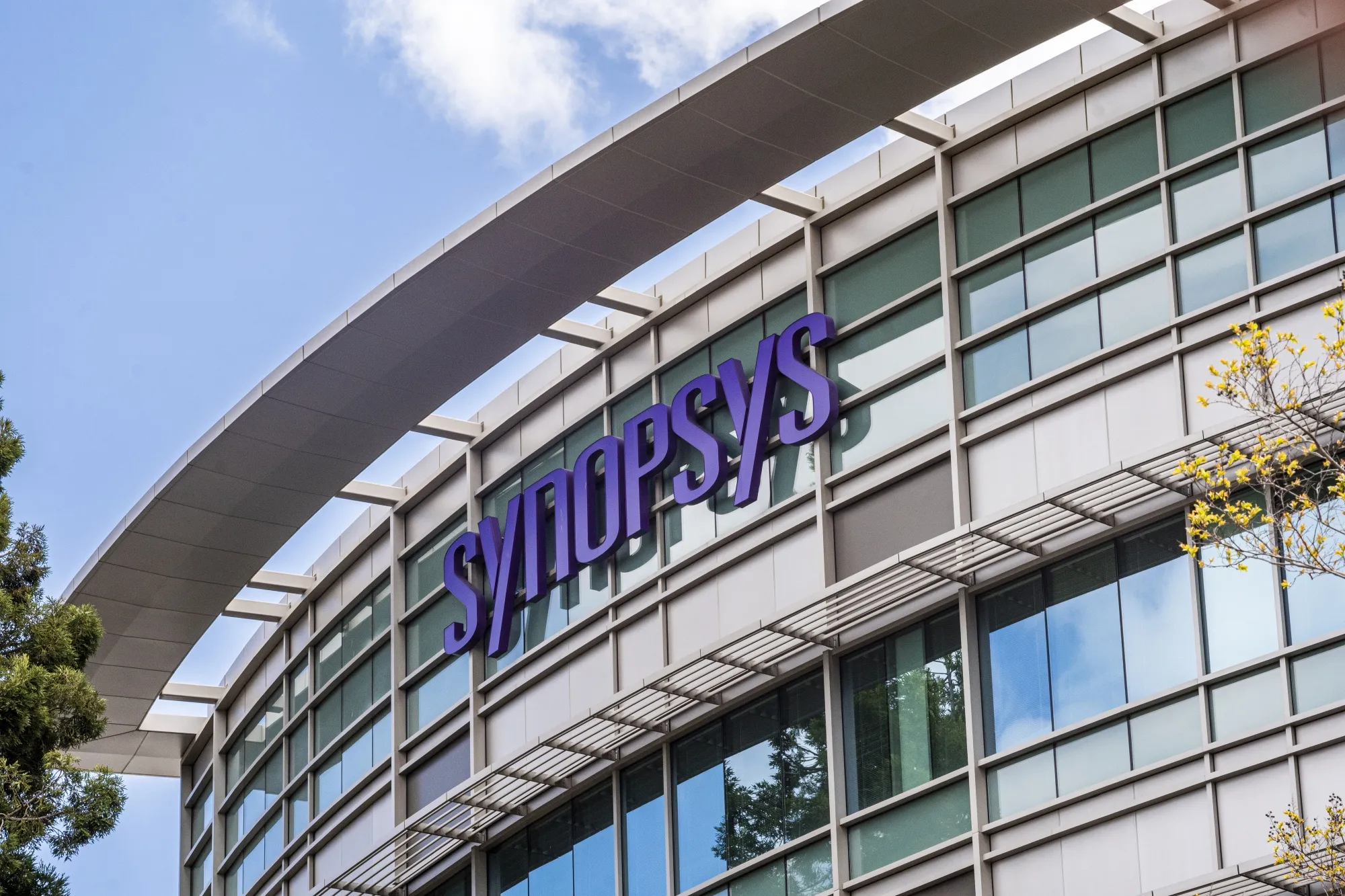
Synopsys Misses Q3 Revenue Estimates, Shares Plunge 18%

Chip design software provider Synopsys (SNPS.O) reported third-quarter revenue that fell short of Wall Street expectations, dragged down by weakness in its Design IP business, sending its stock down nearly 18.5% after hours.

Results and Outlook

  • Q3 Revenue: $1.74 billion vs. $1.77 billion expected (LSEG data)

  • Adjusted EPS: $3.39 vs. $3.74 expected

  • Q4 Guidance: $2.23–$2.26 billion revenue (above $2.09 billion consensus)

Key Pressures

  • Design IP Weakness: Includes interface, security, and embedded processor IP, plus implementation services.

  • Deal Fallout: Several deals failed to close due to:

    • U.S. export restrictions on China disrupting design starts

    • A major foundry customer canceling projects amid market and client-related challenges

  • CEO Sassine Ghazi: Said Synopsys had invested heavily in building IP for the foundry, but returns expected in 2H 2025 will now not materialize.

Strategic Moves

  • Ansys Acquisition: Completed $35B cash-and-stock purchase of engineering design firm Ansys in July after global antitrust reviews, including conditional approval in China.

  • Customer Base: Partners include Nvidia, Intel, and Qualcomm, among others.

Market Context

  • Rival Cadence Design Systems (CDNS.O): Raised its 2025 sales and profit forecast in July, highlighting diverging performance in the EDA software sector.

  • Synopsys’ miss underscores ongoing geopolitical risks and dependence on key customers in a competitive industry where regulatory headwinds are reshaping chip design markets.