
Gemini Raises IPO Price Range, Eyes $3B Valuation in Crypto Market Surge

Gemini, the cryptocurrency exchange founded by the Winklevoss twins, has increased its IPO price range to $24–$26 per share, aiming for a valuation of up to $3.08 billion. The move reflects heightened investor appetite for crypto ventures amid a broader revival in U.S. equity markets.

IPO Details

  • Shares Offered: 16.67 million

  • Proceeds: Up to $433.3 million at the new range

  • Previous Range: $17–$19 per share

  • Private Placement: Nasdaq to purchase $50 million in shares, as reported by Reuters earlier Tuesday.

  • Ticker Symbol: GEMI, to list on Nasdaq

  • Lead Bookrunners: Goldman Sachs and Citigroup

Market Context

  • IPO Climate: U.S. listings have picked up pace as lower interest rates and strong equity sentiment bolster demand.

  • Crypto Firms in Focus: Figure Technologies also raised its IPO size and pricing range the same day.

  • Regulatory & Institutional Support: Tailwinds from ETF approvals and institutional adoption are narrowing the divide between traditional finance and digital assets.

Competitive Landscape

  • Gemini will become the third publicly traded crypto exchange, following:

    • Coinbase (COIN.O): First to join the S&P 500

    • Bullish: Shares more than doubled after its NYSE debut last month

Background

  • Founders: Cameron and Tyler Winklevoss, known for their 2008 legal dispute with Facebook (now Meta) and early Bitcoin investments.

  • Positioning: Gemini holds billions in assets and offers a mix of trading, custody, staking, and institutional services.

Oracle Cloud Orders Near $500 Billion, Shares Jump 27%

Oracle (ORCL.N) announced Tuesday that it expects its booked revenue in cloud infrastructure to surpass half a trillion dollars, sending shares soaring 27% after hours. The surge reflects rising demand for its low-cost AI cloud infrastructure and strong multi-cloud partnerships.

Key Highlights

  • Booked Revenue (RPO): Jumped 359% year-on-year to $455 billion in Q1 (ending August 31).

  • Future Growth: CEO Safra Catz said upcoming multi-billion-dollar deals are expected to push RPO beyond $500 billion.

  • Revenue Forecast: Oracle projects 77% growth in OCI revenue this fiscal year to $18B, rising to $144B over the next 4 years.

  • AI Integration: Customers can now directly connect databases to ChatGPT, Gemini, and Grok via Oracle Cloud.

  • MultiCloud Strategy: Partnerships with Amazon, Google, and Microsoft drove a 1,529% increase in first-quarter multi-cloud revenue. Oracle plans 37 new datacenters, bringing the total to 71 with hyperscaler partners.

Market Impact

  • Shares: Up 45% YTD, boosted further by the after-hours spike.

  • Contracts: Four multi-billion-dollar deals with three customers supported overall Q1 revenue growth of 12% to $14.93B.

  • Q2 Guidance: Total revenue expected to rise 12–14%, with cloud revenue growing 32–36%.

Analyst Views

  • Analysts see Oracle emerging as a key AI cloud player, despite being smaller than hyperscaler rivals.

  • “Oracle is not just keeping up but actually leading the way in the cloud space,” said Melissa Otto, S&P Global Visible Alpha.

  • Jacob Bourne, eMarketer: “Enterprises are clearly eager for cost-effective AI cloud tools, and Oracle is positioning itself to capture that demand.”

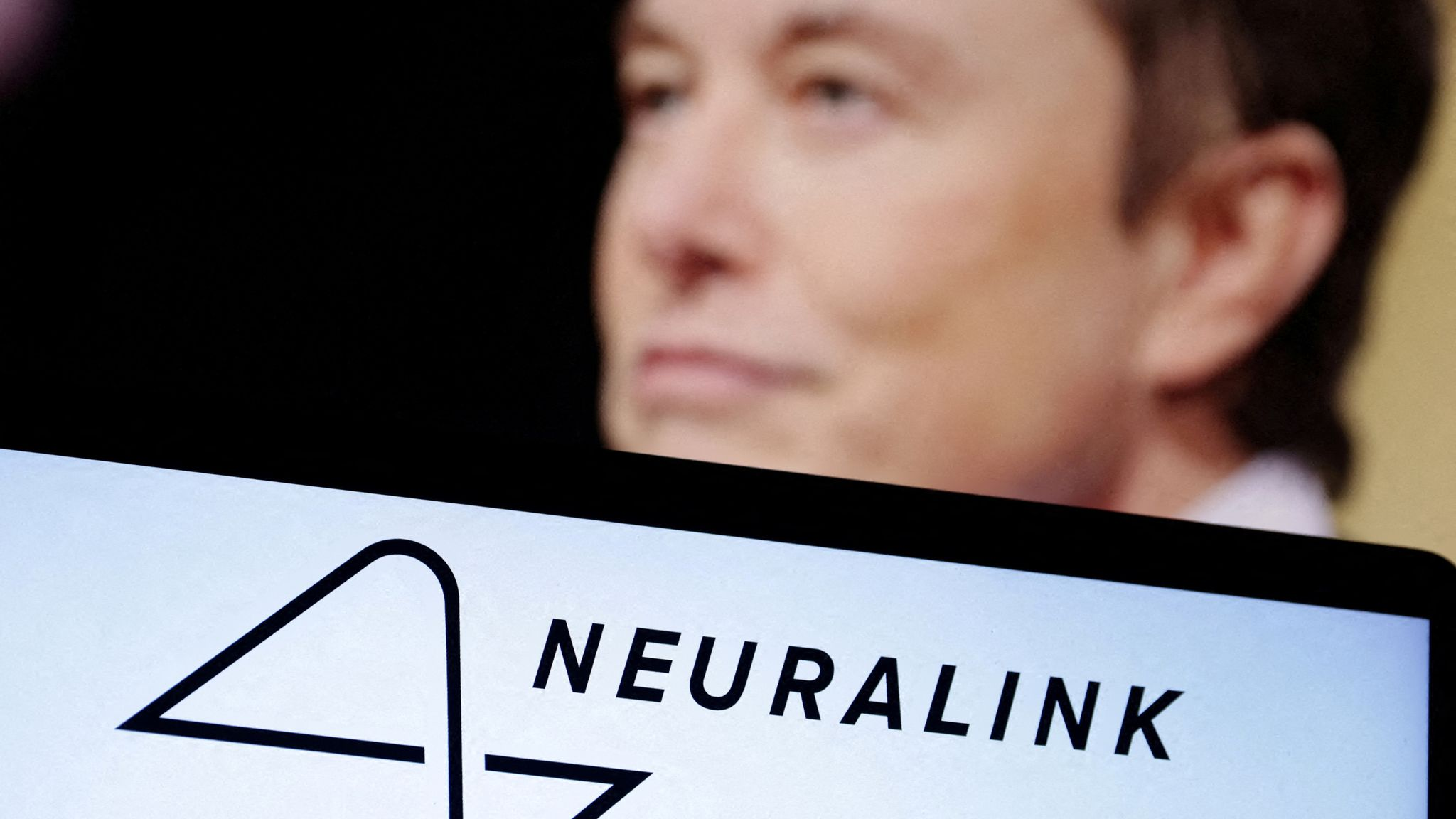
Neuralink Expands Human Trials, 12 People Now Using Brain Implants

Elon Musk’s Neuralink announced Tuesday that 12 people worldwide have received its brain implants, marking steady progress in its clinical rollout.

Key Details

  • Patient Numbers: Up from 7 in June, when partner Barrow Neurological Institute confirmed its involvement.

  • Usage Stats: Collectively, patients have logged 2,000 days of implant use and over 15,000 hours of activity, using the device to control both digital and physical tools through thought.

  • Trials Abroad: A new clinical study will launch in the UK, partnering with University College London Hospitals and Newcastle Hospitals.

  • Funding: Neuralink raised $650 million in June to support expansion.

Background

  • Neuralink began human trials in 2024 after overcoming U.S. FDA safety objections that initially blocked approval in 2022.

  • The company’s implants are aimed at restoring movement and communication for people with severe paralysis, representing a major step in brain-computer interface (BCI) technology.

Outlook

  • The trials will help Neuralink test long-term safety, reliability, and potential new medical applications.

  • If successful, the technology could pave the way for broader use cases — from medical rehabilitation to advanced human-computer interaction.