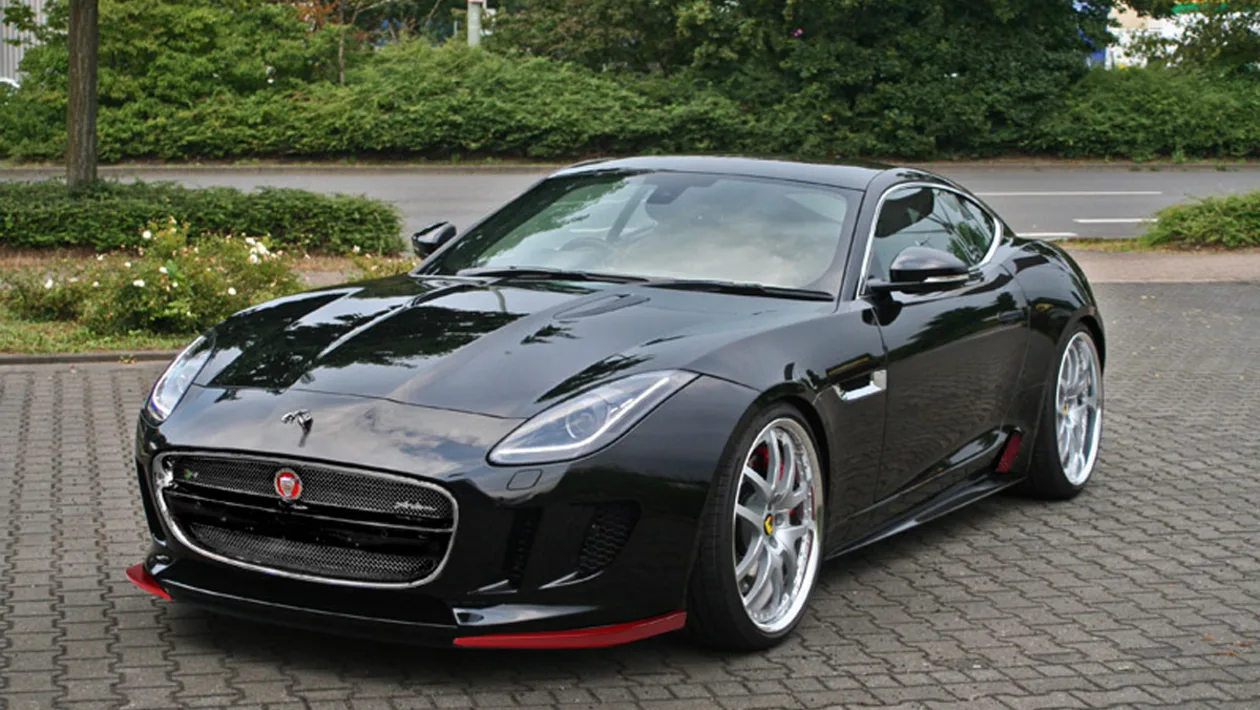
Jaguar Land Rover Scrambles to Contain Cyber Breach That Halted Production

Jaguar Land Rover (JLR) said Friday it is working “at pace” to restore operations after a major cyber incident forced it to shut down systems, halting both retail and production activities. The breach, disclosed earlier this week, has left thousands of factory workers at home until at least Tuesday as the company attempts a controlled restart of global applications.

Owned by India’s Tata Motors, JLR stressed there is no evidence customer data has been stolen so far. The company described the attack as “severely disruptive” to its operations across its three British car plants, where it employs around 33,000 people, making it the UK’s largest automotive employer.

The disruption adds to JLR’s mounting challenges. The company already reported an 11% sales drop in July, partly due to a U.S. export pause after Trump’s car import tariffs, and has cut its 2026 profit margin target from 10% to 5%-7%. Like other European automakers, it also faces weak demand in China and slower sales in Europe.

The attack mirrors a global trend of escalating ransomware campaigns hitting household names. Earlier this year, Marks & Spencer estimated its own cyber breach cost about £300 million ($405 million) in lost profit. Analysts warn that JLR’s recovery could also come with significant financial fallout if disruptions stretch beyond next week.
Microsoft Brings Native Audio Creation to Copilot With New Expressive Voice Options

Microsoft has introduced a new native audio generation feature to its Copilot platform, expanding its AI capabilities beyond text and images. With this update, users can now provide Copilot with a written script and have it converted into a natural-sounding AI voiceover in different expressive styles. Unlike traditional text-to-speech tools, Microsoft claims its system delivers audio that feels more authentic and less robotic. This breakthrough is powered by the company’s in-house MAI-Voice-1 AI model, first unveiled in late August.

The announcement was made by Mustafa Suleyman, CEO of Microsoft AI, through a post on X (formerly Twitter). Suleyman highlighted that the audio generation feature is currently available through Copilot Labs, but only to users signing in with a personal Microsoft account. The move signals Microsoft’s intention to test the feature on a smaller scale before rolling it out more broadly across its ecosystem of apps and services.

At launch, Copilot offers users three distinct voice modes. The first, Scripted mode, delivers a straightforward and literal read of the input text, making it well-suited for use cases such as formal announcements, e-learning, and document narration. This ensures a professional and clear tone without unnecessary dramatization.

The second mode, called Emotive, is designed to add flair and expression. By varying pitch, tone, and pacing, it creates a more dynamic and engaging delivery that feels closer to human storytelling. Microsoft says this style is best for marketing, advertising, or entertainment contexts where dramatic impact matters. A third style, which Suleyman has hinted at but not fully detailed yet, is expected to further broaden Copilot’s voice versatility, giving users additional creative options.

ByteDance Shifts Chip Design Staff to Singapore Unit Amid U.S.-China Tensions

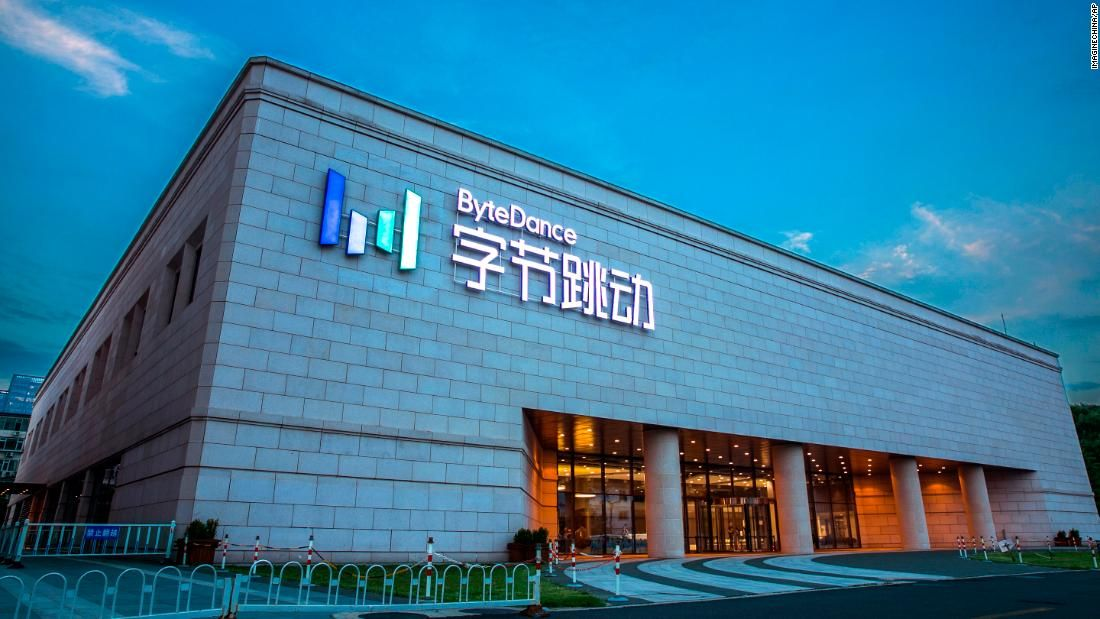
Chip designers at ByteDance, many based in Beijing and Shanghai, were surprised last week to learn they are officially reporting into a Singapore unit, according to three people familiar with the matter. The change became clear when staff were reassigned into a new group on the company’s internal messaging system.

Analysts suggest the restructuring could help ByteDance navigate U.S.-China trade restrictions on semiconductor access. Since late 2023, U.S. rules have barred mainland Chinese firms from using Taiwan’s TSMC to manufacture advanced AI chips above certain performance thresholds. Shifting oversight to Singapore may allow ByteDance more flexibility in securing partnerships and production.

ByteDance, best known globally for TikTok, has been expanding into proprietary chip design since 2022, developing application-specific integrated circuits (ASICs) to reduce reliance on suppliers like Nvidia. The company has worked with Broadcom on AI processors intended for TSMC fabrication, though it does not currently outsource manufacturing to the Taiwanese firm.

The Singapore entity may be linked to Picoheart, a ByteDance subsidiary registered in December 2023. Picoheart drew notice last year when it acquired a 9.5% stake in Chinese memory chipmaker Innostar. Singapore also hosts TikTok’s CEO Shou Zi Chew and some of ByteDance’s largest data centers.

So far, ByteDance’s chips are limited to inference tasks, such as video decoding and networking, rather than the more computationally intensive AI training workloads where rivals like Alibaba and Baidu have advanced further. Job postings indicate ByteDance is still hiring for its AI chip team as it tries to catch up in the strategic semiconductor race.