Germany Launches Nvidia-Powered Jupiter Supercomputer to Compete in Global AI Race

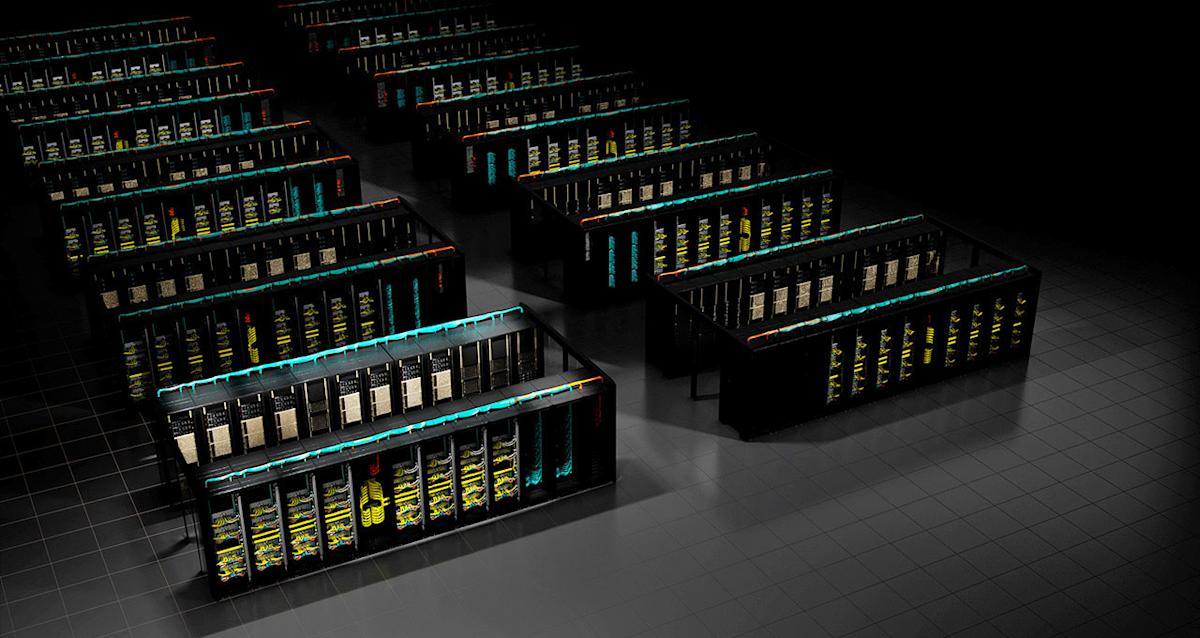
German Chancellor Friedrich Merz on Friday inaugurated Jupiter, a Nvidia-powered supercomputer that ranks as the fourth-fastest in the world and Europe’s first Exascale-class machine. Located at the Juelich Research Centre, Jupiter can perform one billion billion (10^18) calculations per second—equivalent to the power of about 10 million laptops.

Built in partnership with France’s Atos and Germany’s ParTec, Jupiter represents a landmark effort for Europe to catch up with the U.S. and China in high-performance computing and AI infrastructure. “We are today witnessing a historic European pioneering project,” Merz said, stressing that Europe has the opportunity not only to close the gap but also to remain competitive in the long run.

Beyond its symbolic importance, Jupiter is expected to advance research in biotechnology, climate modeling, and AI development, reducing Europe’s reliance on foreign digital infrastructure. Ralf Wintergerst, head of German tech association Bitkom, called for easy access to the system for startups and established firms to maximize its impact on innovation.

With Jupiter now operational, Germany positions itself at the heart of Europe’s AI and scientific research ecosystem, while aiming to balance global competition with technological sovereignty.

Apple Said to Postpone iPhone Air Launch in China Due to eSIM Regulatory Challenges

Apple unveiled the iPhone Air on September 9 during its ‘Awe Dropping’ launch event, alongside the iPhone 17, iPhone 17 Pro, and iPhone 17 Pro Max. Touted as the company’s thinnest iPhone ever at just 5.6mm, the iPhone Air is designed with an eSIM-only configuration, eliminating the physical SIM slot to make room for a larger battery. While the device is already available for pre-orders in 63 countries, its rollout in China faces a delay due to compliance hurdles with eSIM regulations. Apple is reportedly engaging with local authorities to address the issue.

According to a report from the South China Morning Post, Apple has quietly updated its Chinese iPhone Air order page. The original launch schedule, which listed pre-orders starting September 13 and deliveries beginning September 19, has now been replaced with a vague message stating that “release information will be updated later.” This confirms that Chinese customers will not receive the iPhone Air alongside other markets as initially expected.

In an effort to reassure consumers, Apple has stated through Chinese media outlets that it is “working closely with regulatory authorities” to ensure the iPhone Air enters the market as soon as possible. While China Unicom, China Mobile, and China Telecom are expected to support the iPhone Air’s eSIM technology, the official green light depends entirely on regulatory approval. This is a shift from Apple’s earlier stance, where only China Unicom had partnered with the company for eSIM-based devices.

The setback underscores Apple’s ongoing challenges in navigating China’s strict telecom policies, even as the country remains one of its most critical markets. Until the regulatory issues are resolved, Chinese buyers will have to wait longer to get their hands on the iPhone Air, despite its availability in dozens of other countries worldwide.

Poco M7 Plus 5G Set to Launch in India with New 4GB RAM Model on September 22

The Poco M7 Plus 5G, which debuted in India earlier this August with 6GB and 8GB RAM options, is now expanding its lineup with a new memory configuration. Xiaomi’s sub-brand has officially confirmed the arrival of a 4GB RAM variant of the smartphone, set to cater to users looking for a more affordable option without compromising on core features. The device continues to stand out with its massive 7,000mAh battery supported by 33W fast charging, a Snapdragon 6s Gen 3 chipset, and a 50-megapixel dual rear camera system.

The brand has tied the release of this new variant with the Flipkart Big Billion Days sale, one of India’s most anticipated festive shopping events. According to the announcement, the 4GB “limited edition” model will officially go on sale starting September 23, while Flipkart Plus and Black members will enjoy early access from September 22. This move is expected to give Poco strong visibility during the high-demand festive season.

With the addition of the 4GB RAM variant, the Poco M7 Plus 5G lineup now includes 4GB, 6GB, and 8GB options, all paired with 128GB of storage. The pricing for the 6GB + 128GB model is set at ₹13,999, while the 8GB + 128GB variant costs ₹14,999. Though the official price of the 4GB variant is yet to be confirmed, it is expected to come in at an even more competitive range, strengthening Poco’s position in the budget 5G smartphone market.

Color options remain consistent across all models, with the device available in Aqua Blue, Carbon Black, and Chrome Silver. By launching a lighter RAM variant while retaining powerful specifications like a large battery and capable processor, Poco aims to attract first-time 5G users and budget-conscious buyers looking for performance without a premium price tag.