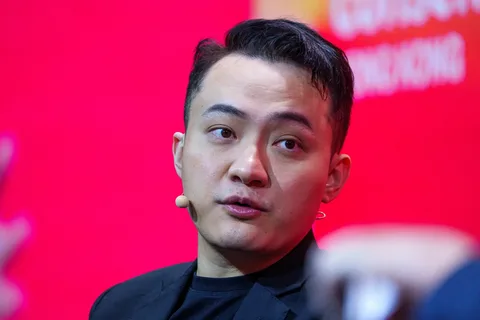
Trump Crypto Ally Justin Sun Says His World Liberty Tokens Were Frozen

Justin Sun, the China-born crypto entrepreneur and major backer of Donald Trump’s World Liberty Financial ($WLFI), said Friday that his tokens tied to the project were “unreasonably frozen.” Sun has invested at least $75 million in WLFI, making him the second-largest known investor after the Trump family, whose stake has already generated hundreds of millions in profits.

Sun did not disclose how many tokens were blocked or who initiated the freeze. Blockchain data from analytics firm Nansen shows that a World Liberty “guardian address” blacklisted a wallet controlled by Sun on Thursday, locking around 545 million WLFI tokens. He had earlier moved 50 million tokens out of that wallet.

World Liberty responded vaguely, saying it does not “seek to blacklist anyone” but will act against “malicious or high-risk activity.” Sun’s firm Tron confirmed that he and the WLFI team were in “active communication.” Despite the dispute, Sun said he planned to buy another $20 million worth of WLFI-related assets, including $10 million in new tokens.

The controversy highlights the tangled business ties between Trump’s political family and crypto ventures. Sun has regularly appeared alongside Eric Trump at crypto conferences, while promoting World Liberty’s projects through his platforms. The Trump family’s involvement in WLFI—at a time when the president is publicly backing crypto—has fueled concerns about conflicts of interest, particularly as some business partners, including Sun, face regulatory scrutiny.

The U.S. SEC still has a civil fraud case pending against Sun, though reports suggest the Trump administration is exploring a settlement. Meanwhile, WLFI’s token value has dropped sharply, sliding from above 30 cents at launch to around 18 cents on Friday.
Trump to Hit Semiconductor Imports with Tariffs Unless Firms Build in U.S.

President Donald Trump announced Thursday that his administration will impose tariffs on semiconductor imports from companies that do not move production to the United States. Speaking ahead of a dinner with top tech CEOs, Trump said the tariffs would be “fairly substantial” but would not apply to companies already investing in U.S. manufacturing.

Trump framed the move as part of his broader strategy of using tariffs to pressure foreign companies and governments to shift production and jobs into the U.S. “If they are not coming in, there is a tariff,” he said. He singled out Apple CEO Tim Cook, noting that Apple’s $600 billion commitment to domestic investment puts it “in pretty good shape.”

The policy comes as global chipmakers respond to U.S. pressure. Taiwan’s TSMC, South Korea’s Samsung, and SK Hynix have all announced major U.S. semiconductor plant investments. Trump had previously floated a 100% tariff on imported chips but said exemptions would apply for companies producing or planning facilities inside the country.

The announcement underscores Trump’s second-term emphasis on tariffs as a cornerstone of economic and foreign policy, a tool he has wielded to renegotiate trade terms and gain leverage in geopolitical disputes. However, legal challenges loom: lower courts have invalidated parts of his earlier tariff regime, and the administration has asked the Supreme Court to uphold the sweeping emergency powers used to justify them.

Tesla Board Floats Unprecedented $1 Trillion Pay Package for Elon Musk

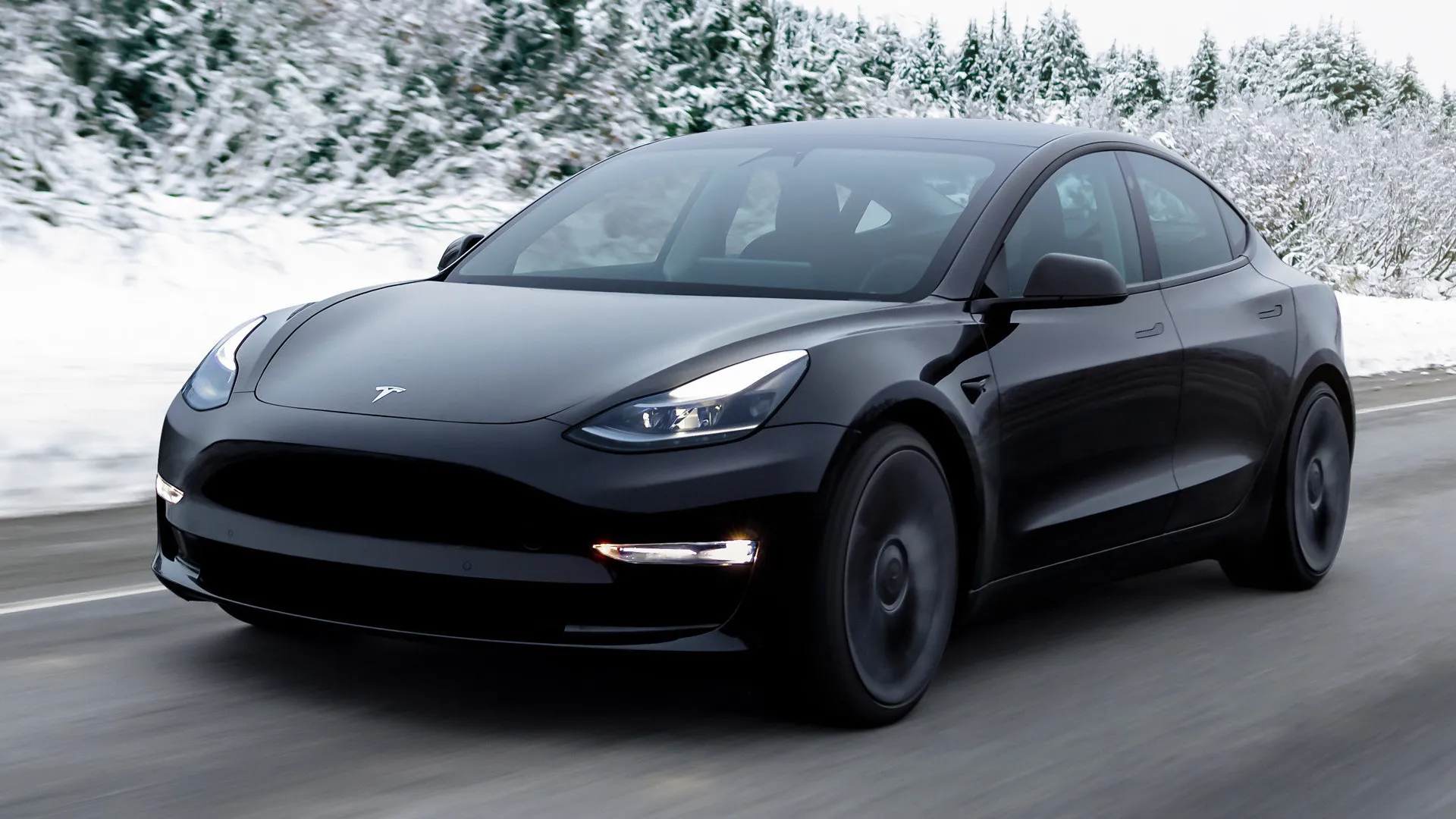
Tesla’s board has proposed a record-breaking $1 trillion compensation package for CEO Elon Musk, an award that would dwarf any executive pay deal in history. The package hinges on Musk boosting Tesla’s valuation nearly eightfold to around $7.5 trillion over the next decade. If fully earned, it would significantly expand his voting power beyond his current 13% stake, further cementing his influence over the company.

The plan underscores Tesla’s reliance on Musk’s leadership as the company faces slowing electric vehicle demand, intensifying competition from China, and mounting pressure to deliver on its AI-driven ambitions in robotaxis and humanoid robots.

Reactions from analysts and investors have been sharply divided:

  • Supporters argue the structure ties Musk’s rewards to ambitious but potentially transformative growth targets. Some say shareholders stand to benefit if even part of the package is achieved.

  • Critics describe the scale as excessive and a sign of weak corporate governance, especially given Tesla’s recent challenges and Musk’s distractions outside the company. Concerns also loom over litigation risk, given that Musk’s prior $56 billion package was struck down by a Delaware court.

  • Others note the package reflects Tesla’s belief that Musk’s vision and presence are its most critical assets—even more than factories or technology.

The proposal has also raised alarms about precedent, with some observers warning it could normalize “adding extra zeros” to executive pay packages across corporate America. With shareholder approval and potential regulatory scrutiny ahead, the outcome could reshape both Tesla’s future and broader debates on CEO compensation.