Bristol Myers, Takeda Join Forces on AI-Powered Drug Discovery Consortium

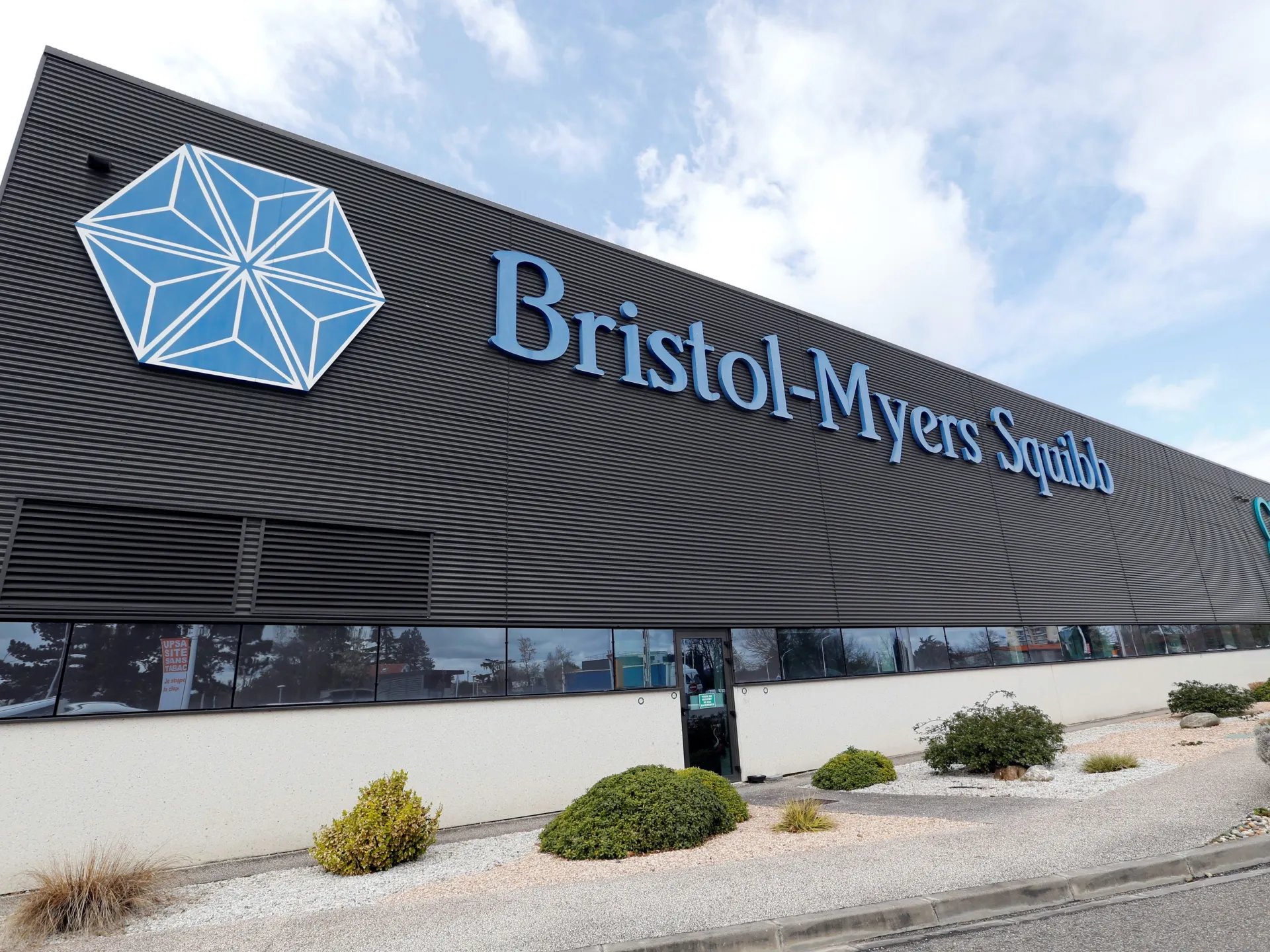
Bristol Myers Squibb, Takeda Pharmaceuticals, and Astex Pharmaceuticals announced a strategic collaboration to share proprietary molecular data for training an artificial intelligence model aimed at accelerating drug discovery and development.

The partnership joins a wider consortium that already includes major pharmaceutical players such as AbbVie and Johnson & Johnson, according to an announcement from Apheris, the German life sciences computing company facilitating the project.

FEDERATED AI FOR DRUG DEVELOPMENT

The companies will contribute data from several thousand experimentally determined protein–small molecule structures to train OpenFold3, an advanced AI model designed to predict protein-ligand interactions — a critical component in developing new medicines.

Unlike traditional data-sharing methods, this collaboration uses Apheris’ federated data platform, which allows multiple organizations to collaborate securely without exposing or transferring sensitive data. Each company’s dataset remains stored in its original location while being used to improve the AI model collectively.

“The federated approach allows us to advance predictive models for small molecule discovery in ways no single organization could achieve alone,” said Payal Sheth, Vice President of Discovery Biotherapeutics and Lead Discovery & Optimization at Bristol Myers Squibb.

A COLLABORATIVE AI STRUCTURAL BIOLOGY INITIATIVE

OpenFold3 serves as the flagship project of the AI Structural Biology Network, an industry-led consortium developed in collaboration with the AlQuraishi Lab at Columbia University. The initiative aims to push the boundaries of AI-driven molecular modeling and create a shared foundation for faster, more efficient therapeutic development.

Hans Bitter, Head of Computational Sciences at Takeda, said the collaboration fits seamlessly into the company’s broader digital strategy.
“This consortium really ties into our larger corporate goal of embedding AI throughout everything we do,” Bitter noted. “It’s a powerful example of how pharma companies can come together to achieve more for patients than we could individually.”

By combining their molecular and structural data through AI, the consortium partners hope to improve drug target identification, binding prediction accuracy, and development timelines, setting a new standard for AI-based biopharma collaboration.
Trump-Backed World Liberty Financial to Launch Crypto Debit Card by Early 2026

World Liberty Financial, the cryptocurrency venture backed by the family of U.S. President Donald Trump, plans to launch a crypto-linked debit card that will allow users to spend digital assets in everyday transactions as early as late 2025, according to CEO Zach Witkoff.

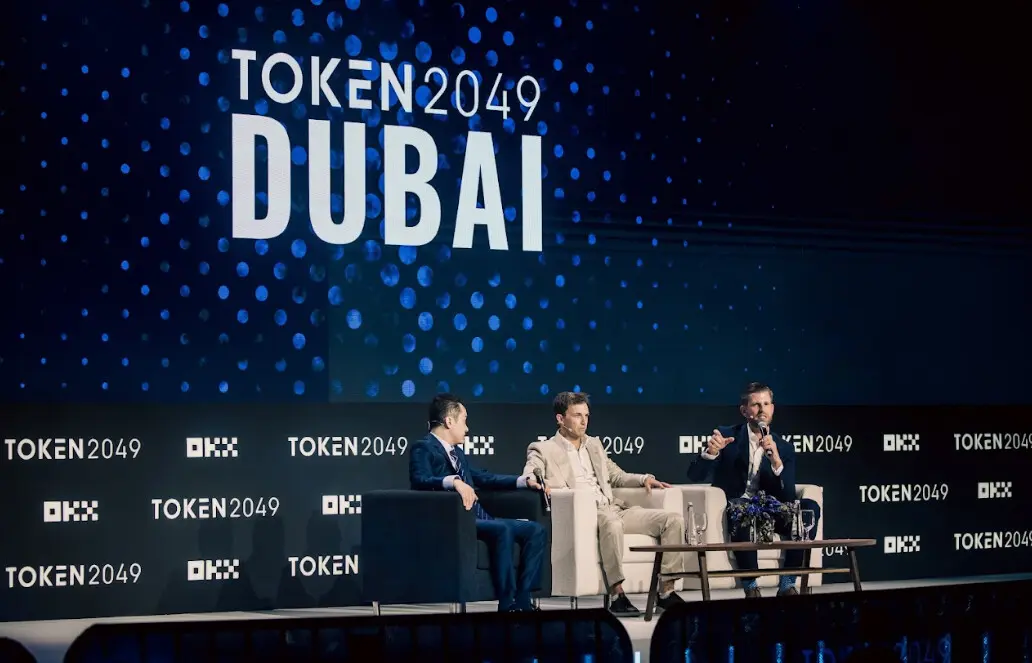
Speaking at the TOKEN2049 crypto conference in Singapore on Wednesday, Witkoff said the card aims to “bridge crypto assets with everyday spending,” and a pilot program is scheduled for launch next quarter. “We’ll be rolling out a debit card that will either go live in Q4 or Q1 2026,” he added.

Witkoff was joined on stage by Donald Trump Jr., co-founder of World Liberty, where both reiterated their optimistic view on cryptocurrency adoption and highlighted what they described as progress made under the Trump administration. Their comments drew cheers from attendees, reflecting the strong enthusiasm among crypto investors for the Trump family’s growing involvement in the sector.

A CRYPTO-POWERED FINANCIAL PLATFORM

Founded in 2024, World Liberty Financial (WLF) seeks to provide decentralized finance (DeFi) services, allowing users to access financial tools and payments directly through cryptocurrencies without traditional banking intermediaries.

In September 2024, the company launched its governance token $WLFI, granting holders voting rights on business proposals. According to data from CoinGecko, the token last traded 0.5% higher at $0.2011.

Witkoff confirmed that World Liberty is working on tokenizing real-world assets, including real estate, oil, and gas, as part of its long-term strategy. “We also want USD1 to be the base pair for these assets because we view it as the most trustworthy and transparent stablecoin on Earth,” Witkoff said, referring to the firm’s U.S. dollar–pegged stablecoin.

TRUMP FAMILY’S ROLE AND PROFITS

While critics have accused the Trump family of profiting from crypto ventures amid the administration’s relaxed regulatory stance, Donald Trump Jr. insisted that World Liberty Financial is “100% not a political organization.”

Reuters estimates that since its founding, the Trump family has earned around $500 million from the project — a figure based on publicly disclosed deals, crypto transaction data, and the company’s terms and conditions.

During the conference, Trump Jr. said, “My father was the first guy to run as sort of a pro-crypto president,” while Witkoff recalled early skepticism from the industry. “They called us a joke, a memecoin — they said we’d never amount to anything,” he said, before adding that World Liberty is now partnering with Aptos, a leading blockchain platform, to bring its USD1 stablecoin to the network.

The company’s planned debit card marks the next step in World Liberty’s expansion, reflecting its ambition to make digital currency spending mainstream while strengthening its ties to the global crypto ecosystem.

UK Renews Push for Apple to Open Cloud Access for British User Data

The British government has issued a new order to Apple (AAPL.O) demanding the creation of a backdoor into its iCloud storage service — this time limited to British users’ data, the Financial Times reported on Wednesday.

The move marks the government’s second attempt to gain access to encrypted data stored by Apple, following the company’s appeal earlier this year against a broader order that sought access to both UK and U.S. citizens’ data. The earlier mandate was dropped after U.S. intelligence officials, including Director of National Intelligence Tulsi Gabbard, warned that such access could expose sensitive personal data to cybercriminals and foreign governments.

APPLE MAINTAINS REFUSAL TO CREATE BACKDOOR

Apple reiterated its long-standing position that it will not build a backdoor into its systems, citing user privacy and global security risks. “We have never built a backdoor or master key to any of our products or services — and we never will,” Apple said in a statement on Wednesday.

The company also confirmed that it was forced to withdraw its Advanced Data Protection (ADP) feature for UK users in February due to the government’s demands. The feature, which offers end-to-end encryption for iCloud data, ensures that only the user — not even Apple — can decrypt stored information.

“Apple is still unable to offer Advanced Data Protection in the United Kingdom to new users, and current users will eventually need to disable this feature,” the company said. “ADP protects iCloud data with end-to-end encryption, meaning only the user can access it on trusted devices.”

GOVERNMENT DEFENDS SECURITY ACTIONS

A spokesperson for the UK government declined to confirm the existence of the new order but said:

“We will always take all actions necessary at the domestic level to keep UK citizens safe.”

The latest demand comes under Britain’s Investigatory Powers Act, often called the “Snooper’s Charter,” which allows the government to compel tech firms to provide access to encrypted communications under certain conditions.

Apple’s ongoing appeal against the earlier order is being heard by the Investigatory Powers Tribunal (IPT), the UK’s top court for intelligence-related cases.

The standoff underscores the growing global tension between governments seeking digital surveillance capabilities and technology companies defending encryption as a cornerstone of privacy and cybersecurity.