
AI Boom Sparks Global Shortage and Price Surge in Conventional Memory Chips

The worldwide race to produce advanced AI chips is causing a supply crunch for more traditional memory chips used in smartphones, computers, and servers — triggering panic buying and steep price increases across the semiconductor industry. Executives and analysts say the AI frenzy has unexpectedly set off a “super cycle” in the memory market, giving long-awaited relief to manufacturers such as Samsung Electronics, SK Hynix, and Micron Technology.

As chipmakers shift production capacity toward high-bandwidth memory (HBM) — essential for powering Nvidia’s AI processors — the supply of conventional DRAM and DDR5 server memory has tightened sharply. According to Fusion Worldwide president Tobey Gonnerman, demand has surged “in a fast and furious way,” leading to double and triple ordering reminiscent of past shortages.

The shortage coincides with a replacement cycle for data centers and personal computers, alongside stronger-than-expected smartphone sales. As a result, spot prices of DRAM nearly tripled in September compared to last year, while average inventories have dropped to just eight weeks, down from 31 weeks in early 2023.

Analysts predict that non-HBM chips could soon surpass HBM in profitability if current trends continue. In the latest quarter, Samsung earned an estimated 40% margin on commodity DRAMs, compared with 60% on HBMs. Rising prices have already pushed companies like Raspberry Pi to raise consumer prices, citing memory costs that have more than doubled over the past year.

Still, experts warn against overhyping a permanent boom. TechInsights vice chair Dan Hutcheson said the current cycle may last only a year or two, with a potential industry downturn forecast for 2027. While Samsung stands to benefit most from its non-HBM dominance, investors remain cautious about its ability to close the gap with rivals SK Hynix and TSMC in next-generation AI chip technologies.

Internal Meta Study Finds Instagram Shows More “Eating Disorder-Adjacent” Content to Vulnerable Teens

An internal Meta study reviewed by Reuters has revealed that teenagers who report feeling bad about their bodies after using Instagram are shown significantly more “eating disorder-adjacent” content than their peers. The internal document, marked “Do not distribute,” highlights serious concerns about how Instagram’s recommendation system interacts with vulnerable teens.

Meta researchers surveyed 1,149 teenagers throughout the 2023–2024 school year and analyzed the posts appearing in their feeds. Among the 223 teens who said Instagram regularly made them feel worse about their bodies, 10.5% of their feed contained body-focused or disordered-eating-related content — three times higher than the 3.3% seen by other teens. The flagged posts prominently displayed body parts, expressed judgment about physical appearance, or included material associated with negative body image.

Researchers also found that these same teens encountered more “mature” and “provocative” content overall — material involving risk-taking, suffering, and cruelty — which made up 27% of their feed compared to 13.6% for others. While the study could not prove Instagram directly worsens self-esteem, the correlation raised alarms among Meta’s internal experts.

Meta spokesperson Andy Stone said the findings show the company’s commitment to making platforms safer for young people. However, the report revealed that Meta’s moderation tools failed to detect 98.5% of sensitive content potentially inappropriate for teens. Pediatric experts like Jenny Radesky from the University of Michigan called the results “deeply disturbing,” warning that Instagram’s algorithm may be “profiling vulnerable teens and feeding them more harmful content.”

The findings come as Meta faces ongoing lawsuits and investigations in the United States over its alleged failure to protect minors and the mental health risks tied to Instagram’s design.

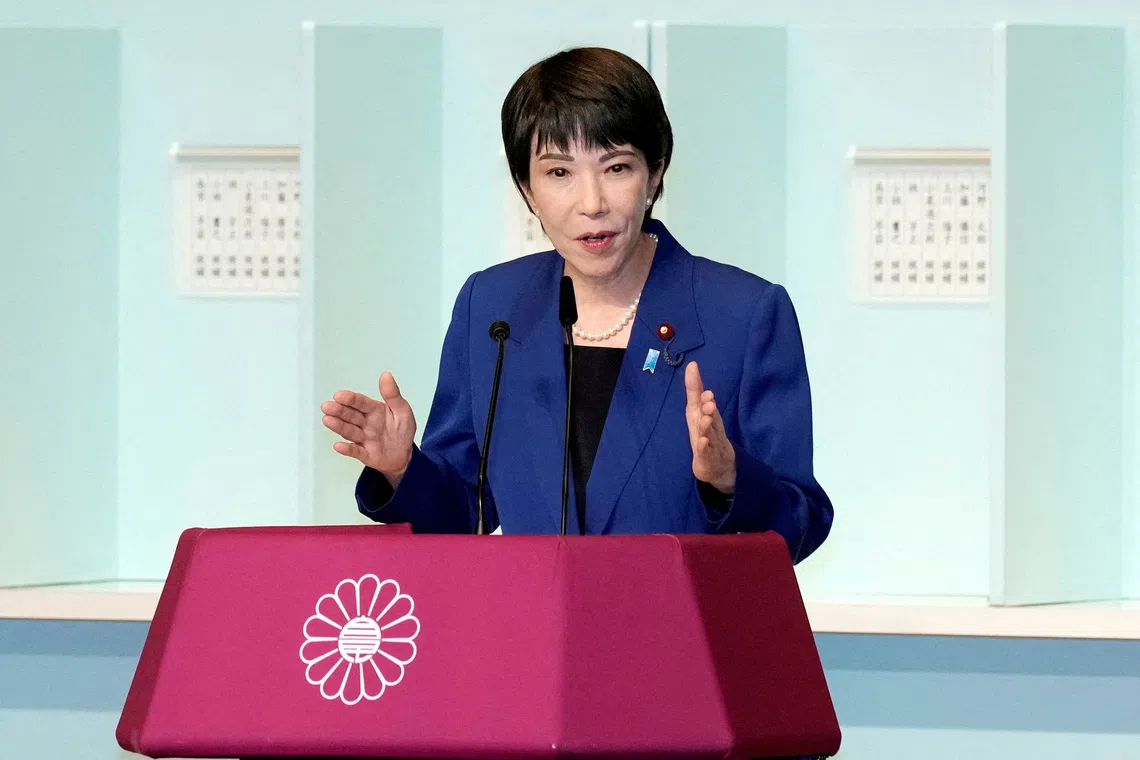
Sanae Takaichi Becomes Japan’s First Female Prime Minister, Channeling Margaret Thatcher’s Legacy

Japan entered a new political era on Tuesday as Sanae Takaichi was elected the country’s first female prime minister, marking a historic moment in its male-dominated political landscape. A staunch conservative and admirer of Britain’s late leader Margaret Thatcher, Takaichi’s rise followed an intense political struggle after her Liberal Democratic Party (LDP) leadership victory on October 5, which prompted the party’s centrist coalition partner to quit their 26-year alliance.

At 64, Takaichi faces daunting challenges — steering Japan’s heavily indebted economy, managing strained relations with China, and preparing to host U.S. President Donald Trump next week. Known as a fierce supporter of “Abenomics”, the pro-growth policy framework of former Prime Minister Shinzo Abe, she advocates for increased government spending, tax cuts, and a more assertive role for the Bank of Japan — moves that could unsettle investors.

Her political style mirrors Thatcher’s toughness but departs from her fiscal restraint. Takaichi’s nationalist positions are likely to stir both domestic and international debate: she is a frequent visitor to the Yasukuni Shrine, supports constitutional revision to expand Japan’s military role, and has floated the idea of a “quasi-security alliance” with Taiwan, risking tensions with Beijing.

Despite her hardline stance, Takaichi’s personal story resonates with many. Born to working-class parents in Nara, she worked her way through Kobe University and later served as a fellow in the U.S. Congress. A fan of heavy metal and a drummer herself, she combines toughness with flashes of warmth — reflected even in her trademark “Sanae Cut,” a hairstyle her longtime hairdresser says symbolizes her attentiveness to people.