
Samsung Galaxy Ring Expected to Debut in Two Size Variants

Samsung’s Galaxy Ring, which launched in India in October, has garnered attention as the company’s first-ever smart ring, available in a variety of sizes. The wearable, which currently offers nine size options, may soon expand its range, according to recent leaks and certification listings. Although Samsung has not officially confirmed these developments, it’s suggested that two additional sizes could be added to the existing lineup. Additionally, there have been hints at a possible successor to the Galaxy Ring, set for release in 2025 with upgraded features.

The new variants of the Galaxy Ring are expected to come in sizes 14 and 15, based on the leaked model numbers SM-Q514 and SM-Q515, which recently appeared in the Samsung Galaxy Ring user guide. This suggests that the company is working on providing more options to cater to a wider range of users. Presently, the smart ring is available in sizes ranging from five to 13, and these additions would offer an even broader fit.

Further corroborating the expected size updates, these new model numbers have been spotted in various certification listings. One such listing was found on Nemko (Norges Elektriske Materiellkontroll), a renowned certification body, indicating that the new sizes are nearing an official release. Additionally, the SM-Q514 model number also appeared on the TDRA (Telecommunications and Digital Government Regulatory Authority) website, further supporting the notion of a quick launch.

As these new size options make their way into the market, they could potentially help Samsung cater to a larger audience, ensuring that more people can find the perfect fit for the Galaxy Ring. The anticipated launch could be a step toward refining and expanding Samsung’s smart wearables lineup, especially as rumors circulate about an updated version of the Galaxy Ring in the near future.
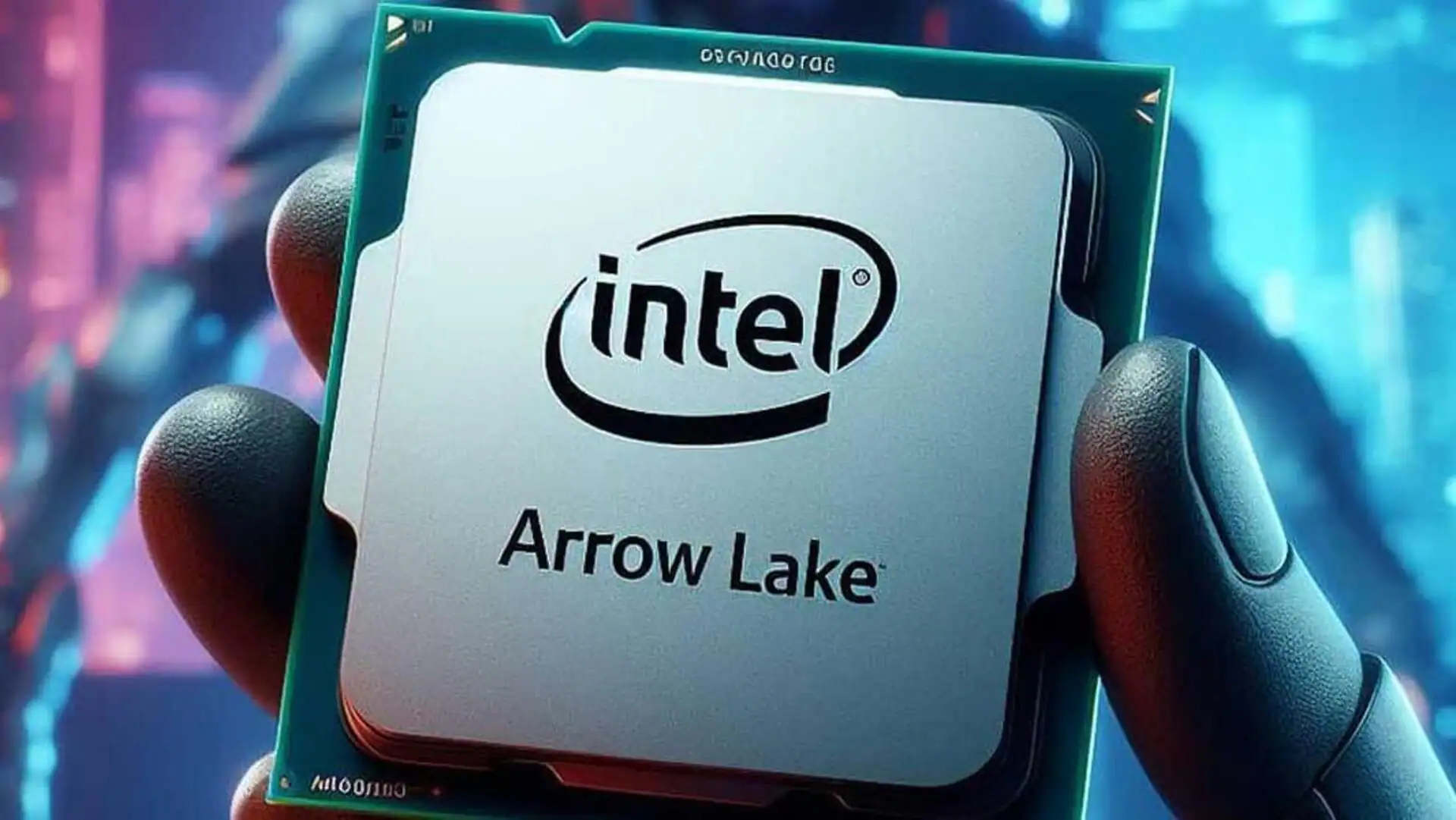

Intel Unveils Arrow Lake CPU Update to Address Performance Concerns

Intel Addresses Arrow Lake CPU Performance Concerns with Critical Updates

Intel has released a series of updates for its Arrow Lake CPUs, aiming to resolve key performance issues identified after their October launch. The Core Ultra 200S processors, part of the new lineup, faced criticism when benchmark results fell short of the company’s initial claims. Following an in-depth investigation, Intel confirmed that five specific issues were impacting performance, with four of these now fixed through the latest updates.

Root Cause Analysis Reveals Multiple Issues

In a detailed blog post, Intel outlined its findings, revealing that the performance discrepancies stemmed from a combination of firmware bugs and optimization gaps in its Core Ultra 200S series. These issues ranged from power management inefficiencies to misaligned core scheduling, all of which contributed to subpar results during real-world and synthetic testing scenarios. The company reassured users that the identified problems were primarily software-based and did not require hardware modifications.

Updates and Improvements Rolled Out

The newly released patches address four of the five performance-affecting issues. According to Intel, these updates enhance task scheduling efficiency and improve the processor’s ability to manage complex workloads. Users with affected CPUs are advised to download and install the patches via Intel’s official website or through automated update systems for supported motherboards.

Remaining Issue Under Investigation

While most concerns have been resolved, Intel acknowledged that the fifth issue—related to thermal throttling under specific workloads—requires further analysis. The company is committed to rolling out a fix in early 2025, ensuring that the Core Ultra 200S processors meet their intended performance benchmarks. This proactive response from Intel reflects its focus on maintaining user trust and delivering high-performance computing solutions.

Android 16 Developer Preview 2 Brings Battery Optimizations and Screen-Off Fingerprint Unlock for Pixel Phones: Report

Android 16 Developer Preview 2 Adds Screen-Off Fingerprint Unlock and Battery Enhancements

Google has rolled out the second Developer Preview of Android 16, bringing new features and enhancements for developers and early testers. Building on the initial preview released last month, this update focuses on battery optimization and introduces an exclusive feature for Pixel users. One notable addition is the ability to use the fingerprint sensor for unlocking the device even when the screen is turned off.

Improved Fingerprint Unlock on Pixel Devices

As reported by Android Authority, Android 16 Developer Preview 2 includes a new setting called “Screen-off Fingerprint Unlock.” Traditionally, Pixel devices require the screen to be awake for the fingerprint sensor to function. Users have had to rely on features like “Always-On Display” or “Tap to Wake” to enable the sensor. However, the new setting aims to eliminate this requirement, making fingerprint unlock more convenient by allowing it to work directly from a powered-off screen.

Battery Life Enhancements

The update also reportedly improves battery efficiency, though details on the specific changes are yet to be shared by Google. The enhancements are expected to complement Android’s existing battery-saving features, providing a smoother and more energy-efficient experience for testers.

Developer Benefits and Future Expectations

The Developer Preview allows developers to explore and adapt their apps to new APIs and features, preparing them for the public release of Android 16 later this year. With battery improvements and features like screen-off fingerprint unlock, this update hints at Google’s efforts to refine the Android experience, particularly for Pixel users. Further updates and a public beta are expected in the coming months, offering more insights into what Android 16 will bring to the table.