

GitHub Introduces Free Copilot Plan with 2,000 Monthly Code Completions for Developers

GitHub Introduces Free Copilot Tier for Developers, Offering 2,000 Monthly Code Completions

GitHub has unveiled a free tier for its AI-powered coding assistant, Copilot, aimed at making its tools more accessible to developers. This announcement marks a significant expansion of the platform’s offerings, which were previously limited to paid subscribers or select groups like students, teachers, and open-source maintainers. The free version of Copilot allows developers access to 2,000 monthly code completions and offers higher limits on chat messages than the paid tier, providing robust support for a wide range of coding tasks.

Key Features of Copilot Free

The newly launched free tier includes several advanced capabilities, such as multi-file editing and integration with third-party agents and extensions. However, it excludes the Gemini AI models featured in the premium Copilot offering. Despite this limitation, the free version delivers substantial value by enabling developers to tackle complex coding projects efficiently. It represents an important step in democratizing AI-assisted development tools for GitHub’s growing community.

Reaching a Milestone: 150 Million Users

This announcement coincides with GitHub celebrating a major milestone: surpassing 150 million registered users worldwide. The platform’s decision to make Copilot free for all users reflects its commitment to fostering innovation and collaboration within its developer ecosystem. By lowering the entry barrier for Copilot, GitHub aims to encourage broader adoption of AI-driven coding solutions among developers of varying skill levels.

A Shift in Developer Resources

GitHub Copilot Free underscores the platform’s shift toward inclusivity, offering powerful tools at no cost to developers. This move is likely to influence the adoption of AI in software development further and challenge competitors to follow suit. As GitHub continues to refine its Copilot offerings, developers can look forward to a more accessible and collaborative future in coding, supported by cutting-edge AI technologies.

Leaked Oppo Reno 13 Image Hints at India-Exclusive Colour Variant

Oppo Reno 13 India Variant Leak Reveals Unique Colour Option

Oppo Reno 13, which debuted in China in November alongside the Reno 13 Pro, is gearing up for its global launch. Recent certifications have hinted at the phone’s imminent arrival in international markets, including India. A leaked live image of what is claimed to be the Indian variant of the Oppo Reno 13 has surfaced online, showcasing a potential exclusive colour option. Reports suggest the Indian version will retain most of the features found in its Chinese counterpart while introducing a unique design element.

Exclusive Colour for the Indian Market

According to a report by 91Mobiles, the leaked image displays the Oppo Reno 13 in a deep dark blue or purple hue. This colourway is not part of the existing options available in China, where the phone is offered in black, light blue, and light purple. The light purple version in China features distinctive patterns across the back panel, but the leaked Indian variant appears to sport a solid, understated finish, hinting at an exclusive colour tailored for the Indian or global markets.

Design and Build Details

The leaked image provides a glimpse of the Oppo Reno 13’s overall design, which aligns closely with the Chinese version. The sleek form factor and polished finish reflect Oppo’s emphasis on aesthetics. While no official confirmation has been made, this unique colour choice could help the Reno 13 stand out in the highly competitive Indian mid-range smartphone market.

What to Expect in the Indian Variant

While the design may see some regional customizations, the Oppo Reno 13 Indian variant is expected to carry the same core specifications as its Chinese counterpart. This includes a high-refresh-rate AMOLED display, a capable mid-range chipset, and a versatile camera setup. With an exclusive colour option and Oppo’s established reputation for stylish smartphones, the Reno 13 could make a strong impression as it prepares to enter the Indian market.
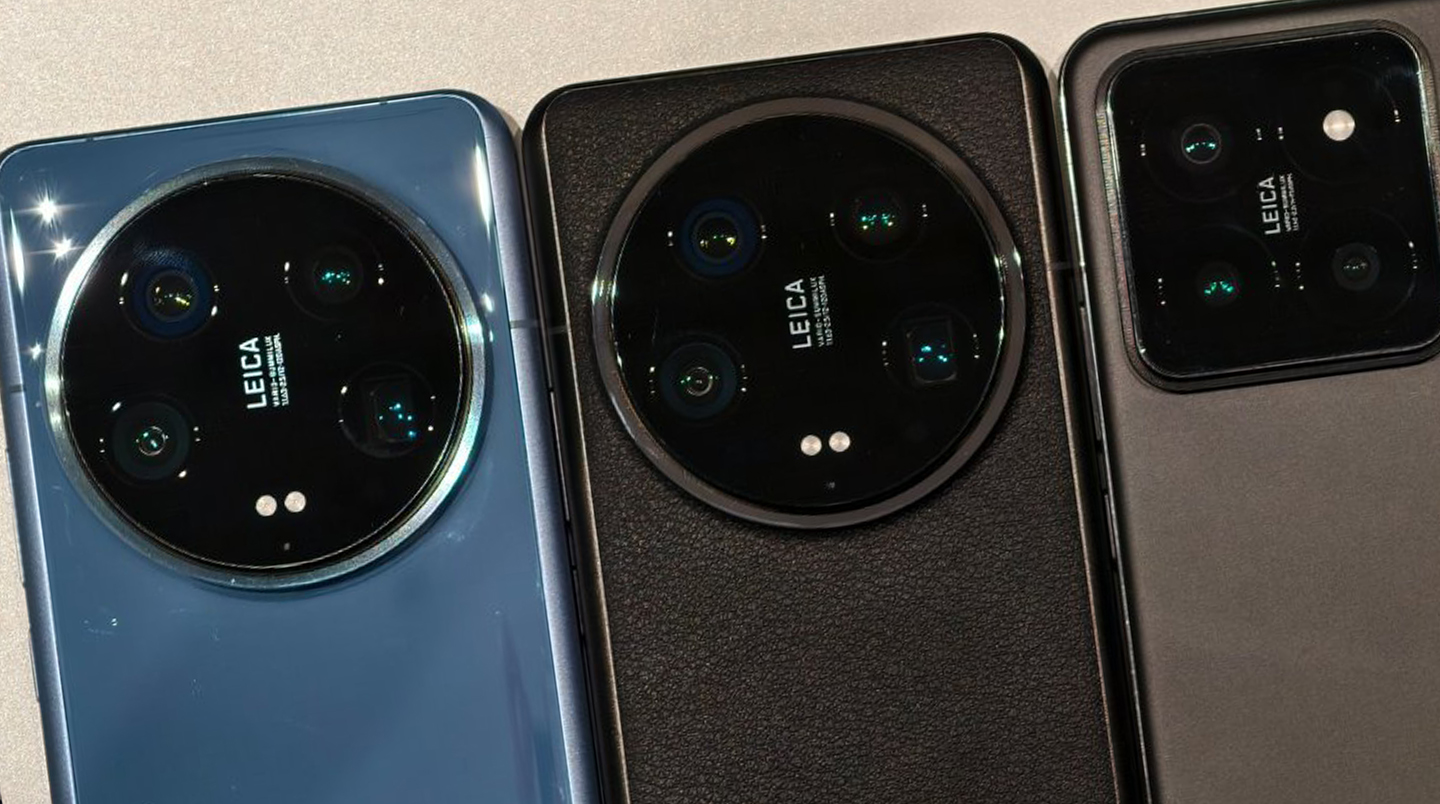
Xiaomi 15 Ultra Listed on MIIT: Hints at Satellite Connectivity Feature

Xiaomi 15 Ultra Spotted on MIIT, Tipped to Feature Satellite Communication

The Xiaomi 15 Ultra, anticipated as the flagship addition to the Xiaomi 15 series, is expected to debut early next year. While an official announcement from Xiaomi is still pending, the device has reportedly been listed on China’s Ministry of Industry and Information Technology (MIIT) website with the model number 25019PNF3C. The listing hints at a groundbreaking feature—satellite communication compatibility. Like its counterparts, the Xiaomi 15 and Xiaomi 15 Pro, the 15 Ultra is expected to run on Qualcomm’s Snapdragon 8 Elite flagship chipset, promising top-tier performance.

Key Details from the MIIT Listing

According to a report from MySmartPrice, the MIIT listing reveals crucial details about the Xiaomi 15 Ultra. The model number, particularly the “C” suffix, is believed to denote the Chinese variant of the smartphone, while “2501” suggests a possible launch timeline in January 2025. This aligns with Xiaomi’s usual launch patterns, heightening anticipation for the device’s arrival.

Satellite Communication Features Highlighted

The MIIT listing includes references to satellite connectivity, indicating the Xiaomi 15 Ultra will support communication through the Tiantong satellite system used by China Telecom. This feature is likely aimed at enhancing connectivity in remote or disaster-prone regions, catering primarily to users in China and nearby areas. The phone is also certified for multiple network standards, including NR SA/NR NSA/TD-LTE/LTE FDD/WCDMA/GSM, along with advanced 5G-enhanced mobile broadband (eMBB) technology, ensuring robust connectivity.

Positioning the Xiaomi 15 Ultra in the Flagship Lineup

As the top-tier model in the Xiaomi 15 series, the 15 Ultra is poised to stand out with innovative features like satellite communication. Coupled with cutting-edge hardware and support for diverse network protocols, the device could set a benchmark for flagship smartphones in 2025. With speculation mounting and its MIIT certification in place, the Xiaomi 15 Ultra is shaping up to be one of the most eagerly awaited smartphones of the coming year.