Wipro CEO Sees Growing Demand for India’s IT Services From AI

Artificial intelligence is increasingly driving demand for India’s IT services, as companies move beyond pilot projects and begin rolling out large-scale AI initiatives, according to Srini Pallia, chief executive of Wipro.

Speaking on the sidelines of the World Economic Forum in Davos, Pallia said Wipro is competing for a mix of small, large, and mega AI-related deals as clients across industries adopt the technology at different stages of maturity. While pricing pressure remains intense due to faster delivery timelines and leaner teams enabled by AI, he expects the number of smaller projects to rise as adoption widens.

India’s $283 billion IT sector has faced several quarters of slower growth as global clients cut technology spending amid economic and geopolitical uncertainty. Pallia said enterprise AI spending is now shifting from experimentation to accountability, with boards and executives demanding clear returns on investment.

He added that AI-assisted software development could cut costs by about 25% through productivity gains in coding and testing, leading to more projects over time. Wipro launched a three-year, $1 billion investment plan in 2023 to strengthen its AI capabilities.
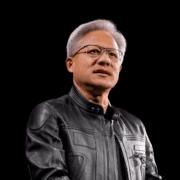

Nvidia CEO Huang Plans China Visit to Reopen Market, Report Says

Nvidia chief executive Jensen Huang is planning a trip to China in late January as he looks to revive a key market for the company’s artificial intelligence chips, Bloomberg News reported, citing a person familiar with the matter.

According to the report, Huang is expected to attend company events ahead of the Lunar New Year holidays in February and may also visit Beijing. It remains unclear whether he will meet senior Chinese officials, and the plans could change depending on whether meetings are confirmed. Nvidia declined to comment, and Reuters could not independently verify the report.

The potential visit follows recent uncertainty over Nvidia’s ability to sell advanced AI chips in China. Last week, the administration of U.S. President Donald Trump formally approved sales of Nvidia’s H200 AI chips to China under certain conditions, raising expectations that shipments could resume. However, Chinese customs authorities said shortly afterward that the chips were not permitted to enter the country, casting doubt on near-term access.

China has been a crucial market for Nvidia, and the outcome of Huang’s planned visit could signal whether progress is possible amid ongoing geopolitical and regulatory tensions surrounding advanced semiconductor exports.

UK Weighs Australia-Style Social Media Ban for Children Under 16

Britain is considering an Australia-style ban on social media use for children under the age of 16, as the government steps up scrutiny of how digital platforms affect young people’s mental health and development. Prime Minister Keir Starmer said children risk being drawn into “a world of endless scrolling, anxiety and comparison,” and warned that the government is ready to take robust action.

The move follows an announcement that officials will examine whether features such as infinite scrolling should be restricted and whether the current age at which children can access social media platforms is appropriate. Ministers are set to visit Australia, which last month became the first country to introduce a nationwide ban on social media for under-16s, to study how the policy is enforced. Technology Secretary Liz Kendall said Britain is considering the same age threshold.

While supporters argue that a ban would provide clear protection for children, critics warn it could push harmful activity underground or reduce access to the positive aspects of social media. The government is also reviewing stronger age-verification checks and whether the UK’s digital age of consent is too low.

Concerns have intensified amid the rapid spread of AI-generated content online, including recent reports involving xAI’s Grok chatbot generating non-consensual sexual images. Britain has already announced plans to ban AI nudification tools and remove addictive platform features, alongside enforcing the Online Safety Act, which has increased age checks and reduced access to harmful content.

Starmer said no option is off the table as the government works with experts to identify the most effective safeguards for children online.