Meta Buys AI Startup Manus to Accelerate Artificial Intelligence Push

Meta is acquiring artificial intelligence startup Manus as the owner of Facebook and Instagram steps up efforts to expand AI capabilities across its platforms. The company did not disclose financial terms, though The Wall Street Journal reported the deal was valued at more than $2 billion.

Manus, a Singapore-based platform with Chinese roots, launched a general-purpose AI agent earlier this year offering paid tools for research, coding and other tasks. Meta said Manus already serves millions of users worldwide and will help deliver AI agents across its consumer and business products, including Meta AI.

Manus CEO Xiao Hong said joining Meta would provide a stronger foundation without changing how the platform operates. Manus will continue selling subscriptions through its own app and website and confirmed it will remain based in Singapore.

Picture background

The startup has grown rapidly, announcing earlier this month that it surpassed $100 million in annual recurring revenue just eight months after launch. Early backers reportedly included Tencent Holdings, ZhenFund and HSG.

Meta said there will be no continuing Chinese ownership interests after the deal and that Manus will discontinue operations in China. The move comes as Meta CEO Mark Zuckerberg seeks to strengthen the company’s AI position amid competition from Google and OpenAI. In June, Meta invested $14.3 billion in Scale AI and recruited its CEO to help lead advanced AI development.

Neuralink Plans High-Volume Brain Implant Production by 2026, Musk Says

Neuralink will begin “high-volume production” of its brain–computer interface implants and shift to a fully automated surgical procedure in 2026, according to a statement by Elon Musk.

Musk shared the update on the social media platform X on Wednesday. Neuralink did not immediately respond to a request for comment from Reuters.

The Neuralink implant is designed to help people with neurological conditions such as spinal cord injuries by enabling direct communication between the brain and computers. The company’s first patient has demonstrated the ability to play video games, browse the internet, post on social media and control a laptop cursor using only their thoughts.

Neuralink began human trials of its brain implant technology in 2024, after resolving safety concerns raised by the U.S. Food and Drug Administration. The regulator had initially rejected the company’s application in 2022, citing risks related to the device and surgical process.

In September, Neuralink said that 12 people worldwide with severe paralysis had received its implants and were using them to control both digital and physical tools through neural signals. The company has positioned the technology as a potential breakthrough for restoring independence to patients with limited mobility.

The startup has also attracted strong investor interest. In June, Neuralink raised $650 million in a funding round, providing capital to scale manufacturing, expand clinical trials and advance automation plans ahead of its targeted 2026 production push.

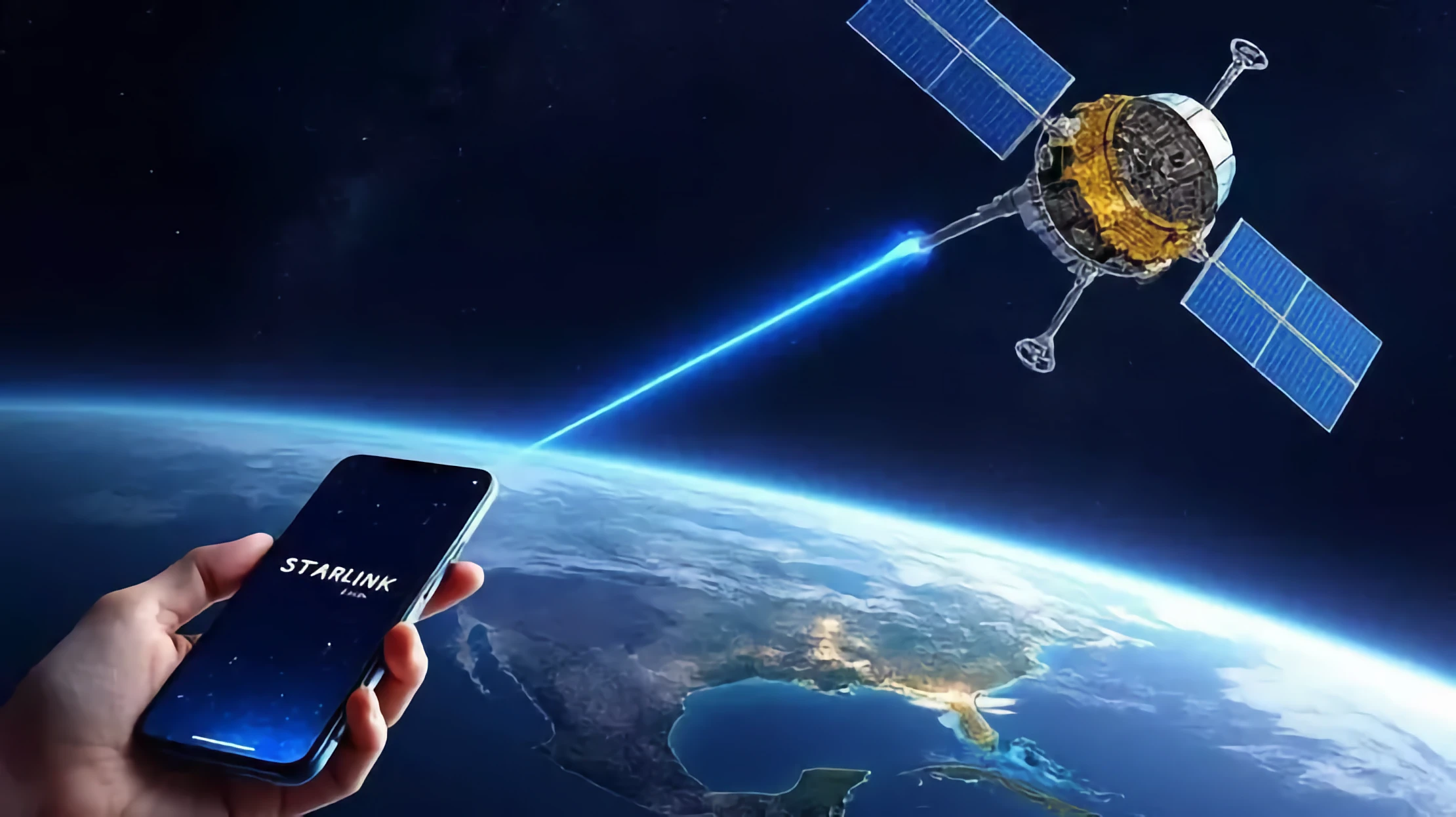
Starlink to Lower Satellite Orbits in 2026 to Improve Space Safety

Starlink plans to begin reconfiguring its satellite constellation in 2026 by lowering all spacecraft currently orbiting at around 550 kilometres to approximately 480 kilometres, according to Michael Nicolls, vice president of Starlink engineering at SpaceX.

Nicolls said the move is aimed at enhancing space safety by operating satellites at lower altitudes, where the overall congestion of objects is significantly reduced. In a post on X, he said that condensing Starlink’s orbits would lower the aggregate risk of collisions, as there are fewer debris objects and planned satellite constellations below the 500-kilometre threshold.

The announcement follows an incident disclosed by Starlink in December, when one of its satellites experienced an anomaly in orbit. The spacecraft, operating at an altitude of about 418 kilometres, lost communications and generated a small amount of debris after what appeared to be an onboard explosion. The satellite rapidly dropped around four kilometres in altitude, marking a rare kinetic accident for the satellite internet provider.

Picture background

Starlink said the incident involved just one satellite out of nearly 10,000 currently in orbit as part of its global broadband network. While the amount of debris was described as limited, the event highlighted growing concerns over orbital safety as low Earth orbit becomes increasingly crowded.

The number of spacecraft circling Earth has surged in recent years as companies and governments race to deploy large satellite constellations for broadband internet, communications and Earth observation services. Once primarily known for its rocket launch business, SpaceX has become the world’s largest satellite operator through Starlink, delivering internet connectivity to consumers, governments and enterprise customers worldwide.

By lowering its satellites’ operating altitude, Starlink aims to reduce long-term debris risks and ensure that any non-functioning spacecraft naturally deorbit more quickly, contributing to safer and more sustainable use of Earth’s orbital environment.