U.S. Grants TSMC Annual Licence to Import Chipmaking Tools into China

The U.S. government has granted an annual licence to TSMC allowing it to import U.S.-made chip manufacturing equipment into its facilities in Nanjing, China, the company said on Thursday.

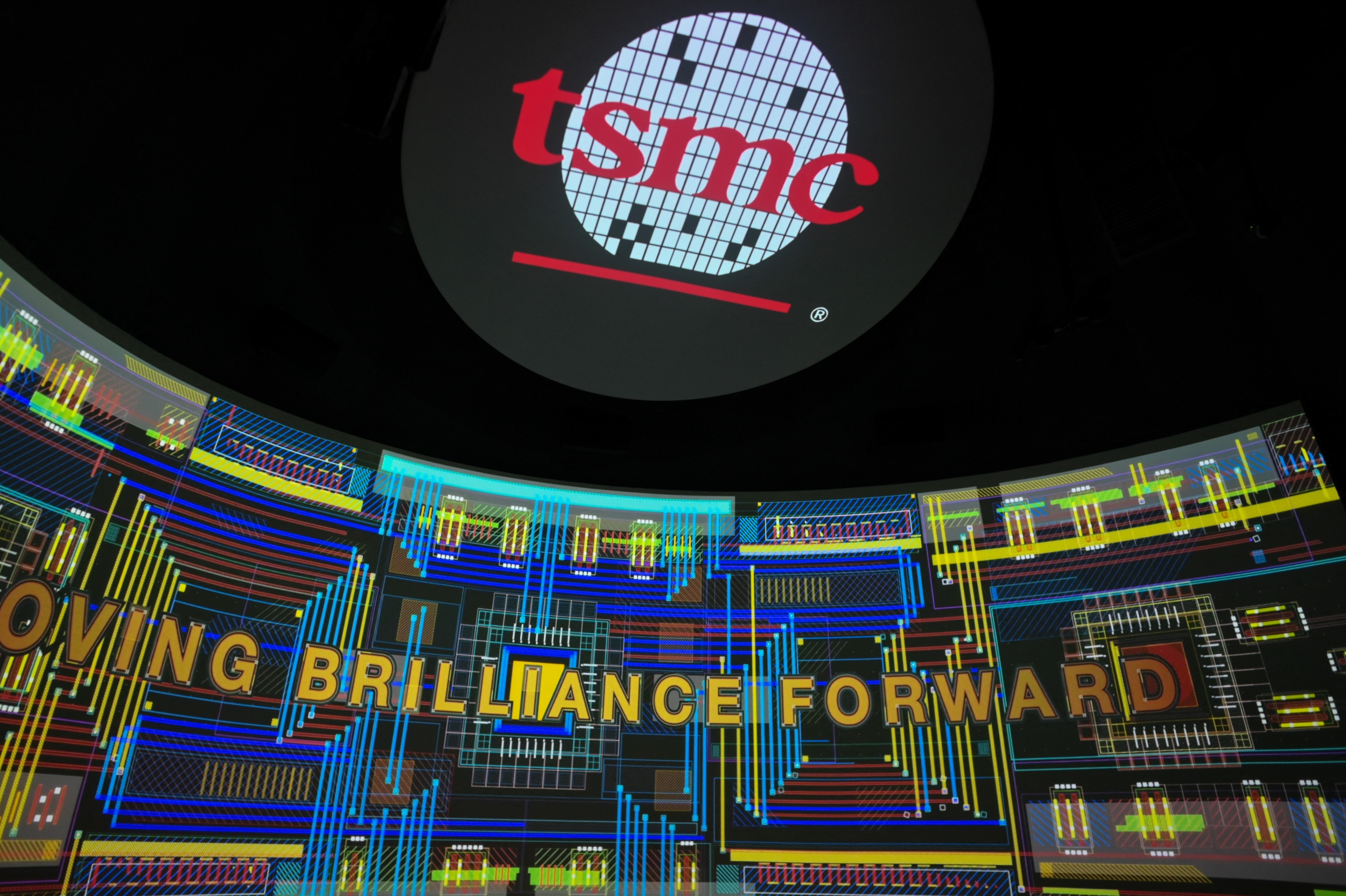
In a statement to Reuters, TSMC said the approval would “ensure uninterrupted fab operations and product deliveries.” The licence allows U.S. export-controlled equipment to be supplied to TSMC’s Nanjing operations without the need for individual vendor approvals.

South Korean chipmakers Samsung Electronics and SK Hynix have also received similar licences, according to industry sources. The move comes after earlier exemptions granted to Asian chipmakers under Washington’s export controls expired at the end of December.

Previously, companies such as TSMC, Samsung Electronics and SK Hynix had benefited from a special status known as “validated end-user,” which allowed them to continue shipping certain U.S. chip-related equipment to China despite broad restrictions aimed at limiting Beijing’s access to advanced semiconductor technologies. That status expired on December 31, forcing companies to apply for individual export licences for 2026.
Picture background

TSMC clarified that the licence applies specifically to its Nanjing plant, which manufactures 16-nanometre and other mature-node chips rather than the company’s most advanced semiconductors. The Taiwanese chipmaker also operates a fabrication plant in Shanghai, but has not disclosed whether similar arrangements apply there.

According to TSMC’s 2024 annual report, the Nanjing facility accounted for about 2.4% of the company’s total revenue, highlighting its relatively modest but still strategically important role in TSMC’s global manufacturing network.

The decision underscores Washington’s attempt to balance strict controls on cutting-edge semiconductor technology with limited flexibility for mature-node production that supports global supply chains, even as geopolitical and technological competition with China continues to intensify.

India Approves $4.6 Billion in Electronic Component Manufacturing Projects

India has approved electronic component manufacturing projects worth 418.63 billion rupees ($4.64 billion) under a government incentive programme aimed at strengthening domestic production, the country’s IT ministry said on Friday.

Global and domestic players including Samsung Electronics, Tata Electronics and Foxconn are among the companies whose proposals were cleared to receive subsidies under the Electronics Component Manufacturing Scheme. The scheme has a total outlay of 229.19 billion rupees and is designed to expand local capacity in key segments of the electronics supply chain.

The approved projects cover the production of a wide range of components, including mobile phone enclosures, camera sub-assemblies and other critical electronic parts. According to the IT ministry, the projects will be implemented across eight Indian states, reflecting a geographically diversified push to scale up manufacturing.

India has intensified efforts in recent years to build a globally competitive electronics manufacturing ecosystem. Through a series of incentive programmes, the government aims to attract both international and local investors, reduce reliance on imports and strengthen supply chains across multiple technology sectors.

The country’s electronics manufacturing sector produced goods worth about $125 billion in the year ended March 2025. The government has set an ambitious target to raise output to $500 billion by fiscal year 2031, positioning electronics as a key pillar of India’s industrial growth strategy.

Officials said the newly approved projects are expected to generate electronic components worth 2.58 trillion rupees ($28.62 billion) over time and create employment for around 34,000 people, providing a significant boost to manufacturing jobs and regional development.

Baidu’s AI Chip Unit Kunlunxin Files Confidentially for Hong Kong IPO

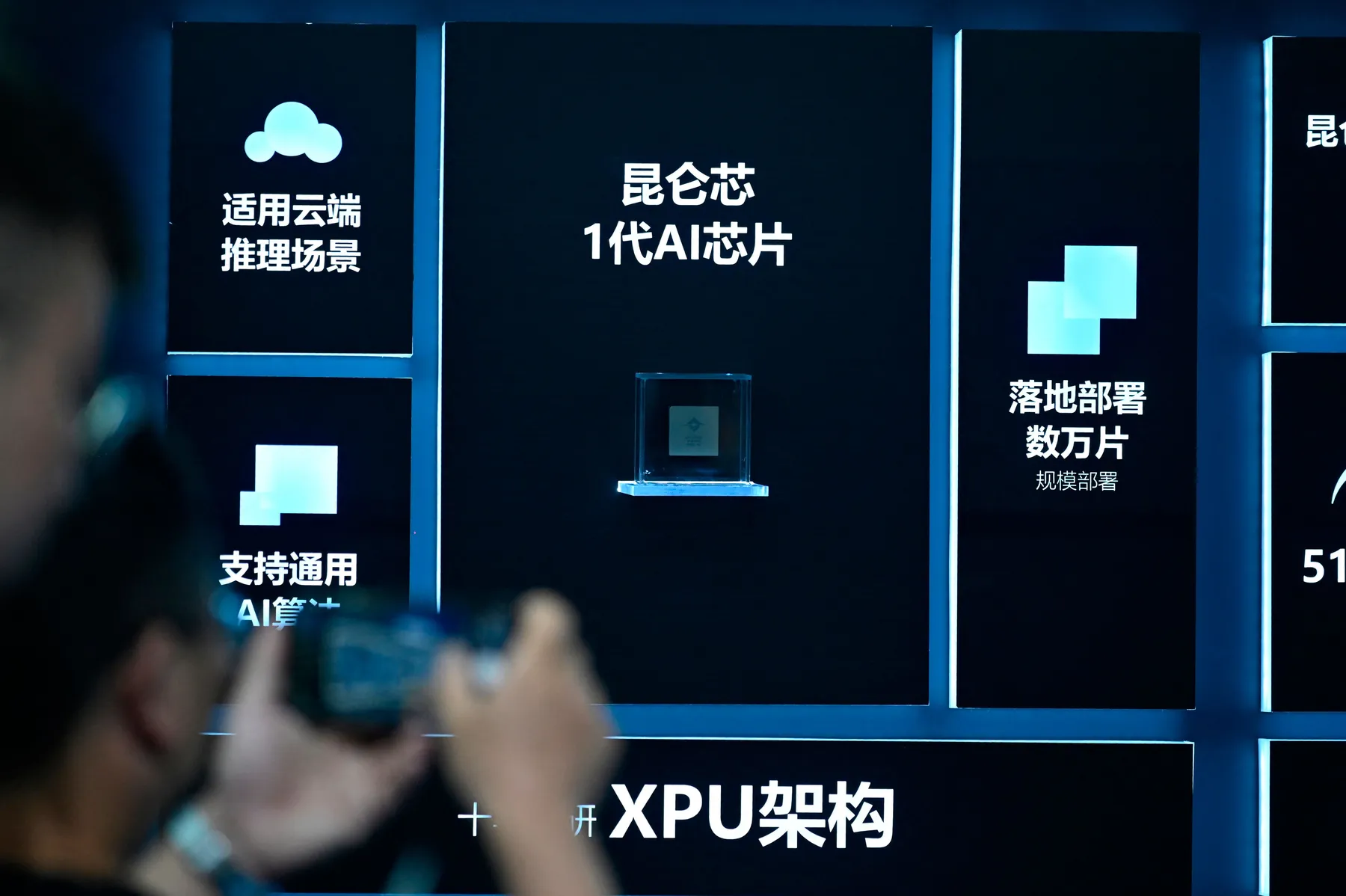
Baidu said on Friday that its artificial intelligence chip arm, Kunlunxin, has confidentially filed a listing application with the Hong Kong Stock Exchange on January 1, paving the way for a potential spin-off and separate public listing.

The move follows an earlier report by Reuters that Kunlunxin was preparing for a Hong Kong initial public offering after completing a fundraising round that valued the unit at around 21 billion yuan ($3 billion). While the filing marks a key step toward a listing, Baidu said details such as the size and structure of the offering have not yet been finalised.

Kunlunxin was founded in 2012 as an internal Baidu unit focused on developing AI chips to support the company’s core businesses. Over time, it has become independently operated, although Baidu continues to hold a controlling stake. Following the proposed spin-off, Kunlunxin is expected to remain a subsidiary of Baidu. The company added that while Kunlunxin still mainly supplies chips to Baidu, it has expanded external sales over the past two years.

Picture background

The planned listing comes as China accelerates efforts to develop domestic alternatives to U.S. semiconductors amid tightening export restrictions from Washington on advanced chips. In this context, several Chinese AI and semiconductor companies have either launched or announced plans for public offerings.

Earlier this week, Chinese AI startup MiniMax said it expects to raise up to HK$4.19 billion ($538 million) in its Hong Kong IPO. Meanwhile, semiconductor designer Shanghai Biren Technology raised HK$5.58 billion in its public offering, according to an exchange filing. Other semiconductor specialists, including OmniVision Integrated Circuits and GigaDevice Semiconductor, have also begun bookbuilding for IPOs, each aiming to raise about $600 million.

Hong Kong’s equity capital markets have seen a strong rebound. The city raised $36.5 billion from 114 new listings in 2025, its strongest performance since 2021 and more than triple the $11.3 billion raised in 2024, according to data from LSEG.