Microsoft and Meta Defend Heavy AI Investments Despite DeepSeek’s Low-Cost Advantage
In response to the breakthrough low-cost AI models developed by Chinese startup DeepSeek, CEOs of Microsoft and Meta have defended their substantial investments in artificial intelligence, emphasizing that the heavy spending is essential to staying competitive in the rapidly growing field. DeepSeek’s claims of outperforming Western AI models at a fraction of the cost have sparked concerns over the U.S. tech industry’s dominance, but both executives stressed that building extensive computing infrastructures is crucial to meeting rising corporate demands.
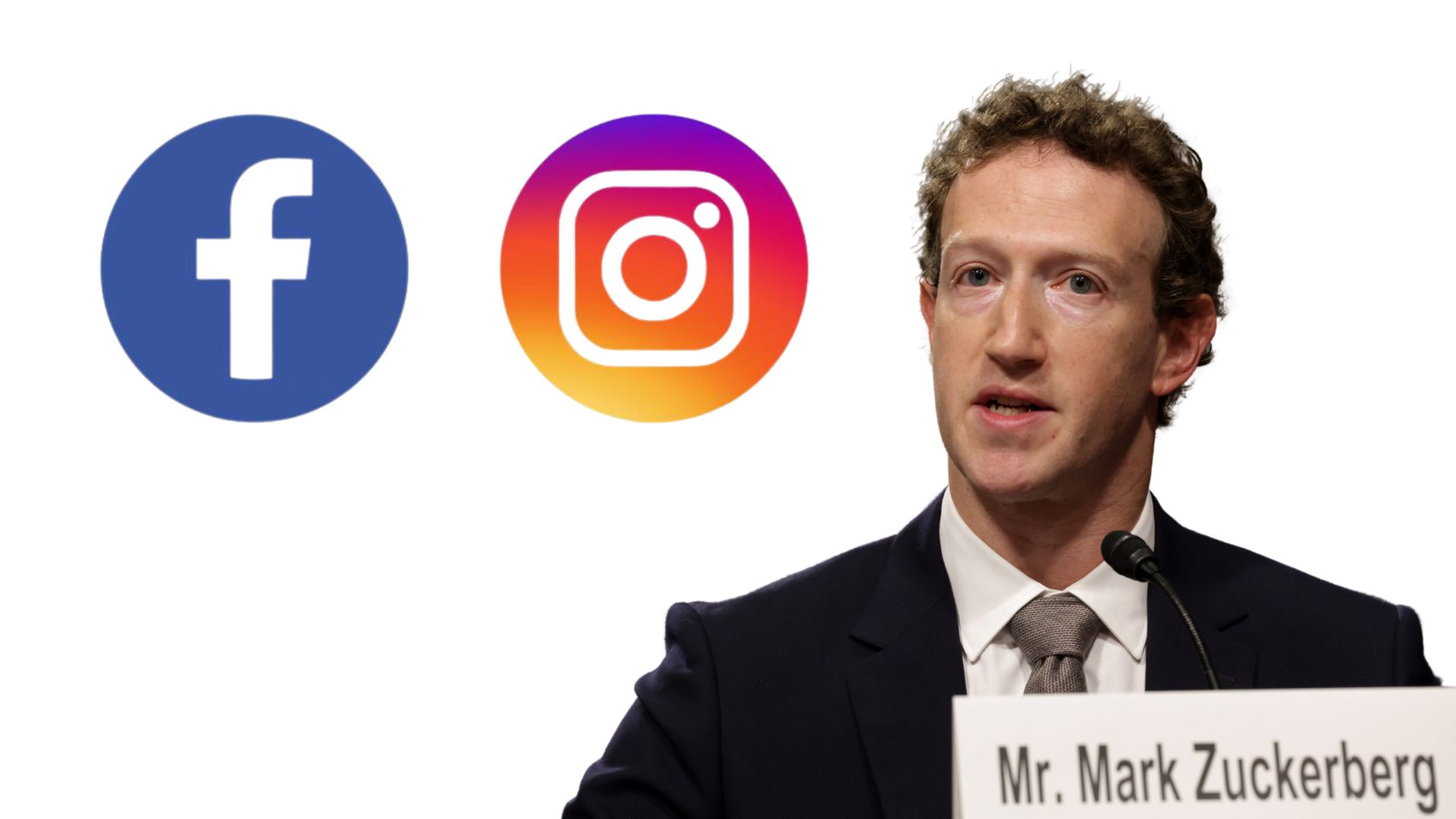
Meta CEO Mark Zuckerberg highlighted the strategic advantage that heavy investments in capital expenditure and infrastructure will bring over time. Microsoft CEO Satya Nadella echoed this sentiment, stating that such investments are needed to address the capacity constraints that have limited the company’s ability to capitalize fully on AI opportunities. Nadella also noted that as AI becomes more efficient and accessible, demand for the technology will grow exponentially.
Microsoft has allocated $80 billion for AI in its current fiscal year, while Meta has committed up to $65 billion. This stands in stark contrast to the roughly $6 million that DeepSeek claims to have spent on developing its AI model. However, U.S. executives and analysts note that DeepSeek’s reported costs are limited to computing power, not including broader development expenses.
Despite these substantial investments, investor patience is waning. Microsoft shares dropped 6% after the company revealed that its Azure cloud business growth would fall short of third-quarter expectations. Brian Mulberry, portfolio manager at Zacks Investment Management, emphasized the need for a clearer path to monetizing the investments.
Meanwhile, Meta’s stock rose more than 4% following a strong fourth-quarter performance, though its first-quarter sales forecast was underwhelming. Analysts, like Daniel Newman from Futurum Group, pointed out the disparity between capital expenditure and revenue generation in the AI sector.
Both companies have indicated efforts to moderate spending. Microsoft CFO Amy Hood stated that capital expenditures for the third and fourth quarters would remain around $22.6 billion, similar to the previous quarter, with growth rate expectations for fiscal 2026 being lower than in fiscal 2025.