
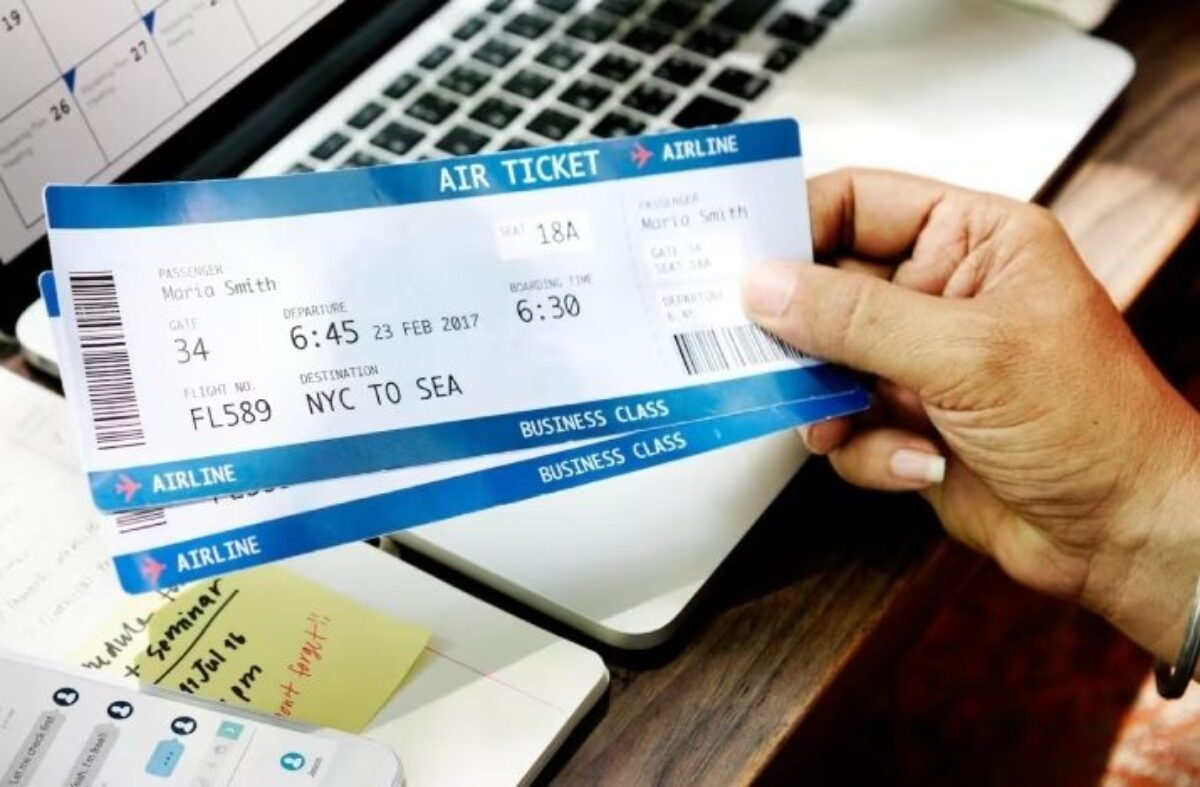
U.S. Transportation Secretary Sean Duffy expressed concerns on Tuesday regarding the use of artificial intelligence to set personalized airline ticket prices and announced plans to investigate any such practices. This follows recent claims that some airlines may be using AI to adjust fares based on individual consumer profiles.
Delta Air Lines (DAL.N) clarified last week before lawmakers that it has neither used nor plans to use AI to price tickets on an individual basis. “To try to individualize pricing on seats based on how much you make or don’t make or who you are, I can guarantee you that we will investigate if anyone does that,” Duffy said. “We would engage very strongly if any company tries to use AI to individually price their seating.” He added that he takes Delta’s assurances at face value.
Last month, Democratic Senators Ruben Gallego, Mark Warner, and Richard Blumenthal warned that AI-based pricing could lead to fare increases tailored to a consumer’s personal “pain point.” Delta plans to deploy AI-powered revenue management technology across 20% of its domestic network by the end of 2025, partnering with Fetcherr, a company specializing in AI pricing. Fetcherr lists several airlines, including Delta, Westjet, Virgin Atlantic, Viva, and Azul, as clients.
American Airlines (AAL.O) CEO Robert Isom also expressed concerns that AI-driven pricing could damage consumer trust. Democratic lawmakers Greg Casar and Rashida Tlaib have introduced legislation aimed at banning companies from using AI to set prices or wages based on personal data, including prohibiting airlines from raising prices after sensitive searches such as family obituaries.
Delta emphasized that dynamic pricing—where fares fluctuate based on factors like demand, fuel costs, and competition—has been standard for over 30 years but insisted it does not use personal consumer information to set prices.