
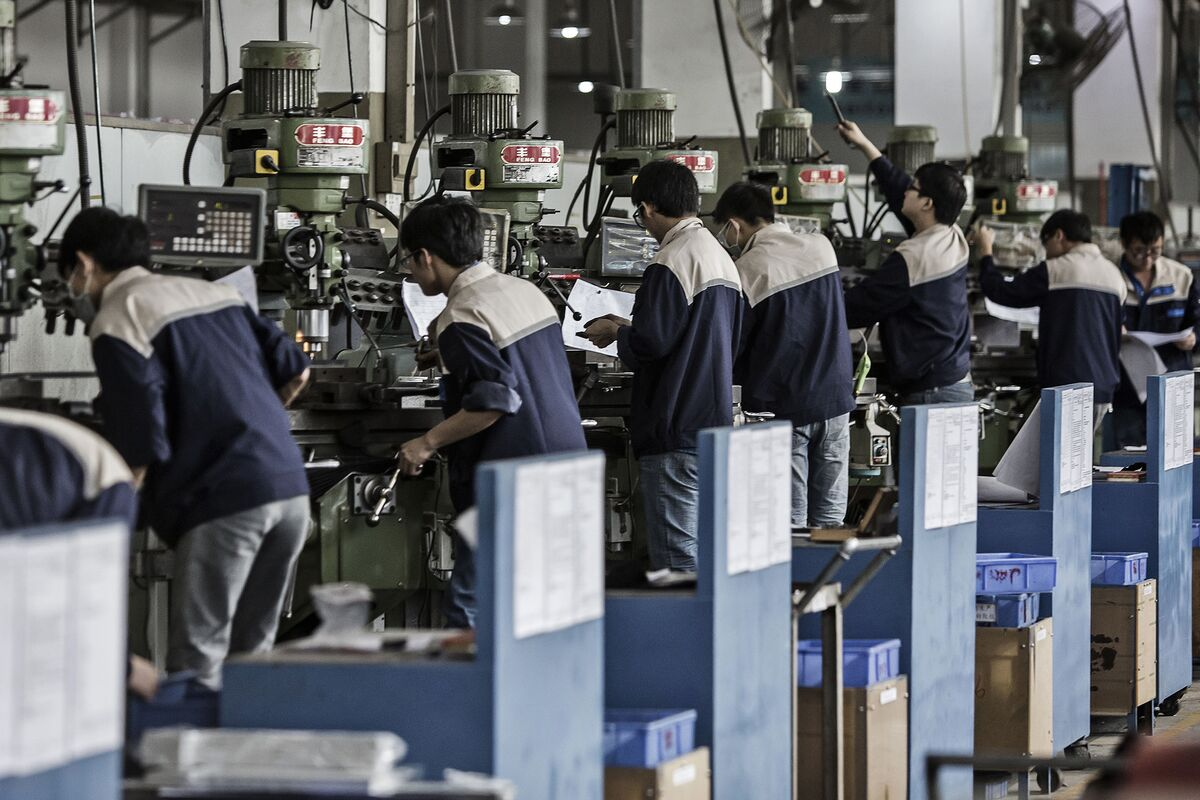
A Chinese electronics manufacturer has demonstrated how firms are adapting to geopolitical shocks, showing resilience despite tariffs introduced during the Donald Trump administration.
Agilian Technology, a mid-sized exporter based in Dongguan, faced severe disruption in 2025 when U.S. tariffs caused clients—many of whom account for over half its revenue—to freeze orders and push for production relocation outside China. At the peak of tensions, tariffs between the U.S. and China exceeded 100%, effectively halting trade flows.
Despite this, the company ultimately reaffirmed China as its core manufacturing base. Executives cited the country’s unmatched supply chain integration, production speed and component availability as factors that are difficult to replicate elsewhere.
Attempts to diversify production revealed structural challenges. Expansion efforts in India were slowed by regulatory delays and operational inefficiencies, while Malaysia offered a more viable alternative but still lagged behind China in execution speed. Even relocating to the U.S. proved impractical due to higher labor costs and reliance on Chinese-made components.
Meanwhile, China’s countermeasures—including export controls on critical minerals—highlighted Western dependence on its industrial ecosystem. Combined with partial tariff rollbacks following negotiations between Washington and Beijing, these factors helped revive manufacturing activity.
By the second half of 2025, Agilian reported a 29% increase in production hours, marking its busiest period on record. Orders resumed as clients adjusted to a “new normal” of elevated but manageable tariffs.
The case reflects a broader trend: rather than fully exiting China, companies are adopting a “China-plus-one” strategy—maintaining core operations domestically while building secondary capacity abroad as a hedge against future disruptions.
Economists note that tariffs have reshaped global supply chains but have not fundamentally weakened China’s manufacturing dominance. Instead, they have accelerated diversification while reinforcing the country’s central role in global production networks.