
Gold Surges Amid Ukraine War Escalation; Tech Stocks Rebound

Key Market Developments

Gold Reaches 13-Month High Amid Geopolitical Tensions

Gold prices surged to $2,688 per ounce on Friday, recording a weekly rise of over 4.5%, marking the strongest performance since October 2023. The spike was fueled by heightened geopolitical risks, including escalating hostilities in Ukraine. Russia’s recent lowering of its nuclear threshold and the deployment of hypersonic missiles toward Ukraine have prompted a flight to safe-haven assets.

Oil Prices Climb Amid Supply Concerns

Brent crude futures rose nearly 4.5% this week, reaching a two-week high of $74.44 per barrel. The ongoing conflict has intensified fears of supply disruptions, further supporting oil prices.

Tech Stocks Rebound in Asia

Following strong earnings from Nvidia, Asian chipmakers saw gains. Taiwan’s stock index rose 1.5%, South Korea’s advanced 1%, and Japan’s Nikkei climbed 0.8%. However, in China, disappointing earnings weighed on the market, with the CSI300 index dropping 1.6% and Hong Kong’s Hang Seng Index falling 1.75%.

Adani Group Under Pressure

Shares and bonds of the Adani Group faced continued declines after U.S. prosecutors indicted Chairman Gautam Adani for fraud.


Global Currency and Equity Markets

  • Euro Declines: The euro remained under pressure, trading at $1.0469, close to breaking support at last year’s low of $1.0448. A mix of U.S. tariffs, economic slowdown, and political challenges in Europe has weighed on the currency.
  • Dollar Strengthens: The dollar index reached a 13-month high of 107.18, supported by lower expectations for Federal Reserve rate cuts.
  • Yen Volatility: The yen traded at 154.82 per dollar, affected by speculation of a potential Bank of Japan rate hike in December and possible intervention by Japan’s Ministry of Finance.

Broader Market Indicators

  • European Markets: Futures signal a muted opening for European stocks. Eurostoxx 50 futures are up 0.21%, German DAX futures by 0.17%, and FTSE futures by 0.35%.
  • U.S. Treasuries: Benchmark 10-year Treasury yields remained stable at 4.432%, reflecting uncertainty in Federal Reserve policy expectations.

Outlook and Concerns

Ukraine War Intensification

Russia’s use of hypersonic missiles and nuclear rhetoric underscores the growing risks to global stability. Analysts warn the conflict’s escalation could lead to further disruptions in energy and commodity markets.

Economic Pressures in Europe

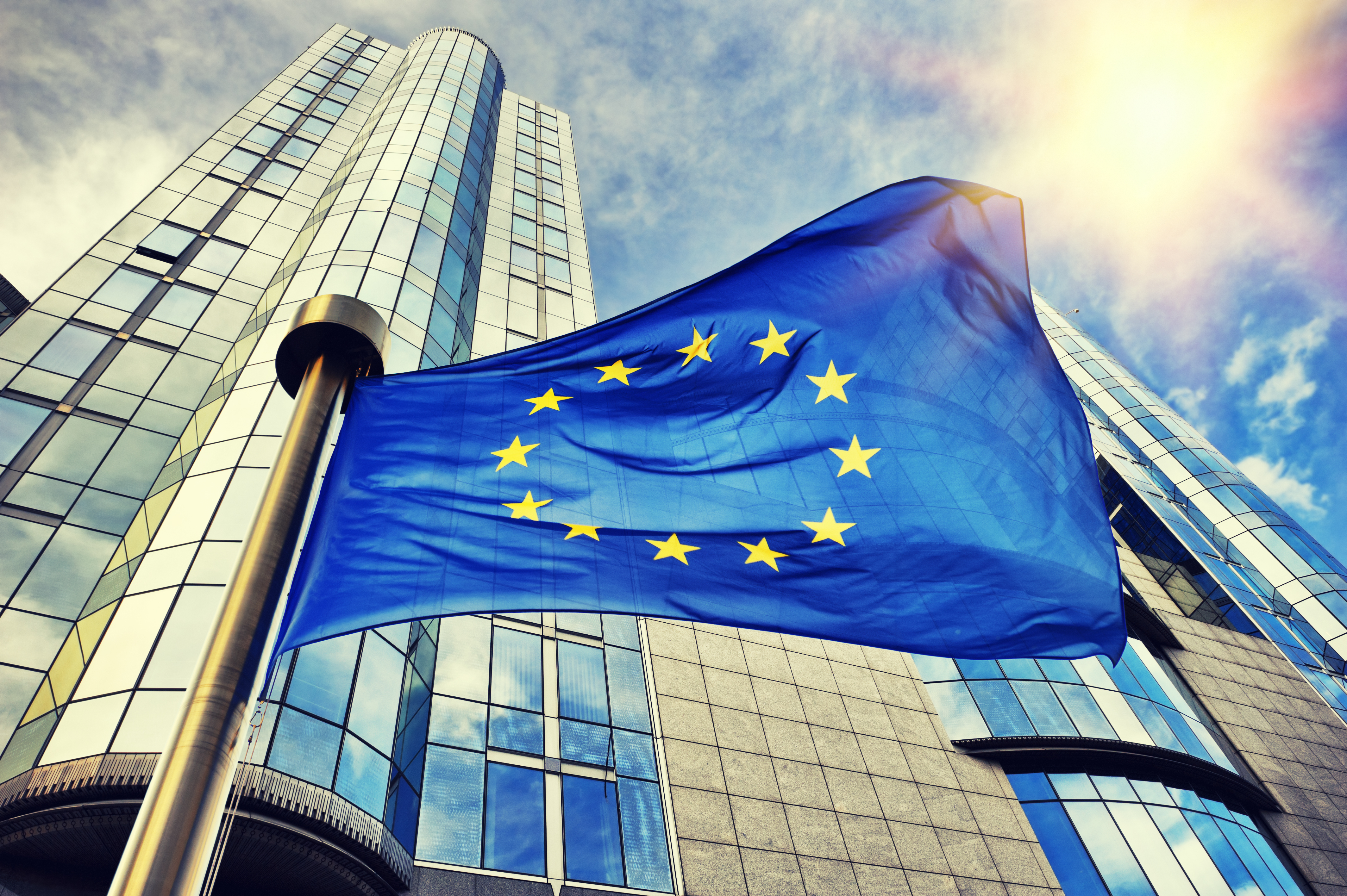
Europe faces multiple headwinds, including sluggish growth, government instability in Germany and France, and looming U.S. tariffs, placing additional strain on equities and the euro.
European Companies Announce Job Cuts Amid Economic Slowdown

Overview of Layoffs Across Key Sectors

As economic challenges persist across Europe, numerous companies have been forced to implement hiring freezes or reduce their workforce. Weak demand and uncertain market conditions are driving layoffs across industries. Below is a breakdown of significant announcements since August:


Banking Sector

  • DNB: The Norwegian lender plans to cut 500 full-time jobs within six months to address lower interest rates and heightened competition.
  • Santander: The Spanish bank will reduce over 1,400 jobs in its UK operations.
  • UniCredit: Italy’s banking union Fabi reported an agreement involving 1,000 voluntary redundancies and the creation of 500 new jobs.

Automotive Industry

  • Michelin: The French tyre manufacturer is shutting two facilities in Western France, impacting 1,250 jobs.
  • Schaeffler: The German car parts and machinery maker will lay off 4,700 employees due to reduced demand from auto and industrial clients.

Industrial and Engineering

  • Northvolt: The Swedish battery producer plans to cut 1,600 jobs.

Retail and Consumer Goods

  • Auchan: The French supermarket chain intends to eliminate over 2,000 positions due to declining store traffic.
  • Husqvarna: The Swedish garden equipment firm will cut approximately 400 jobs, citing constrained consumer spending.

Telecom Sector

  • Telia: The Swedish telecom operator aims to cut 3,000 positions in 2024.

Other Industries

  • Airbus: Up to 2,500 jobs in the Defence and Space division will be cut by mid-2026.
  • Equinor: The Norwegian energy producer plans to reduce its renewable energy staff by 20%.
  • Infineon: The German chipmaker will cut 1,400 jobs globally and relocate another 1,400 roles to lower-cost countries.
  • Lufthansa: The German airline will gradually reduce administrative jobs by 20%.
  • Mondi: A fire-damaged paper mill in Bulgaria will be shut down, affecting 300 jobs.
  • SMA Solar: Up to 1,100 global positions will be cut at the solar parts supplier.
  • Shell: The energy giant plans a 20% workforce reduction in its oil and gas exploration division.
  • Solvay: The Belgian chemicals company will reduce its workforce by 300-350 jobs across multiple countries.
  • Tamedia: The Swiss media company is shutting two printing works, affecting nearly 300 employees.
  • UPM: The Finnish forestry group may eliminate 110 jobs in Finland and has announced closures in Germany, impacting nearly 400 jobs.
  • Yara: The Norwegian fertilizer producer will shut an ammonia unit in Belgium, potentially cutting 115 jobs.

Key Drivers of Layoffs

Economic stagnation, inflation, and weak consumer demand are cited as primary reasons for workforce reductions. While some companies implement temporary measures, others are restructuring long-term operations in response to sector-specific challenges.

Merkel Raises Concerns Over Musk’s Influence on Trump and Global Politics

Merkel Criticizes Big Business Influence

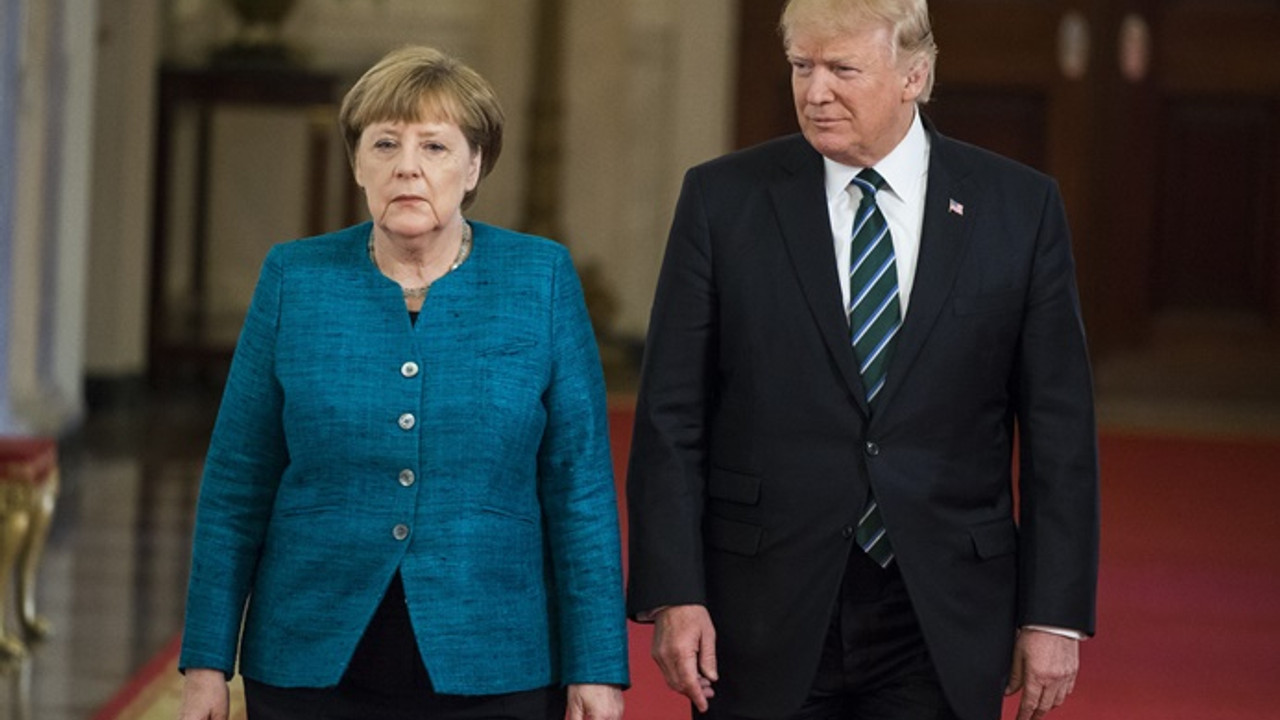
Former German Chancellor Angela Merkel has expressed alarm over the growing influence of tech magnates like Elon Musk on politics, particularly regarding former U.S. President Donald Trump. In an interview with Der Spiegel, published ahead of her memoir’s release, Merkel highlighted the challenges posed when corporate power overshadows democratic governance.

“If the ultimate recourse of politics is influenced too strongly by companies—through capital or technological capabilities—it poses an unprecedented challenge for all of us,” Merkel stated, emphasizing the importance of balancing the interests of ordinary citizens against those of powerful corporations.


Concerns Over Musk’s Expanding Role

Merkel singled out Musk, CEO of Tesla and SpaceX, as a concerning example. Musk was reportedly tapped by Trump to co-lead a newly envisioned Department of Government Efficiency, which the former president-elect had indicated would operate outside traditional government frameworks.

Merkel pointed to Musk’s vast control over global satellite networks. “If someone like him owns 60% of all satellites orbiting in space, then that has to be a huge concern for us,” she said. Musk’s SpaceX, through its Starlink satellite internet network, operates over 6,000 satellites used worldwide by governments, corporations, and consumers.


Reflections on Multilateralism and Trump

In her forthcoming memoir, Freedom: Memories 1954-2021, Merkel shares insights into her experiences with global leaders, including Trump and Russian President Vladimir Putin. Speaking to Der Spiegel, she lamented Trump’s approach to international relations, noting that his worldview, rooted in a “winner-takes-all” mentality, undermined multilateral cooperation.

“Trump’s re-election filled me with sadness,” Merkel admitted, underscoring the difficulties of maintaining collaborative global efforts in the face of such divisive politics.


Memoir Release and Legacy Concerns

Merkel’s memoir, set to be released on November 26 in over 30 countries, has garnered significant attention. She will launch the book in the U.S. alongside former President Barack Obama in December. The release comes at a time when Merkel’s 16-year tenure is under scrutiny, as Germany faces economic challenges and growing political and international crises.

The memoir promises a candid look at Merkel’s leadership during pivotal global events and offers a reflection on the delicate balance of power between governments, corporations, and individuals.