“Life in Delhi: Struggling to Breathe Amid the World’s Worst Air Pollution”

A City Struggling to Breathe

In Delhi, where the air quality has reached catastrophic levels, residents like 64-year-old Deepak Rajak are battling severe health challenges. His asthma, aggravated by hazardous smog, has left him gasping for breath and reliant on the city’s first pollution-related illness clinic at Ram Manohar Lohiya (RML) hospital. “It’s impossible to breathe,” Rajak shares, reflecting a sentiment echoed by millions in India’s capital.

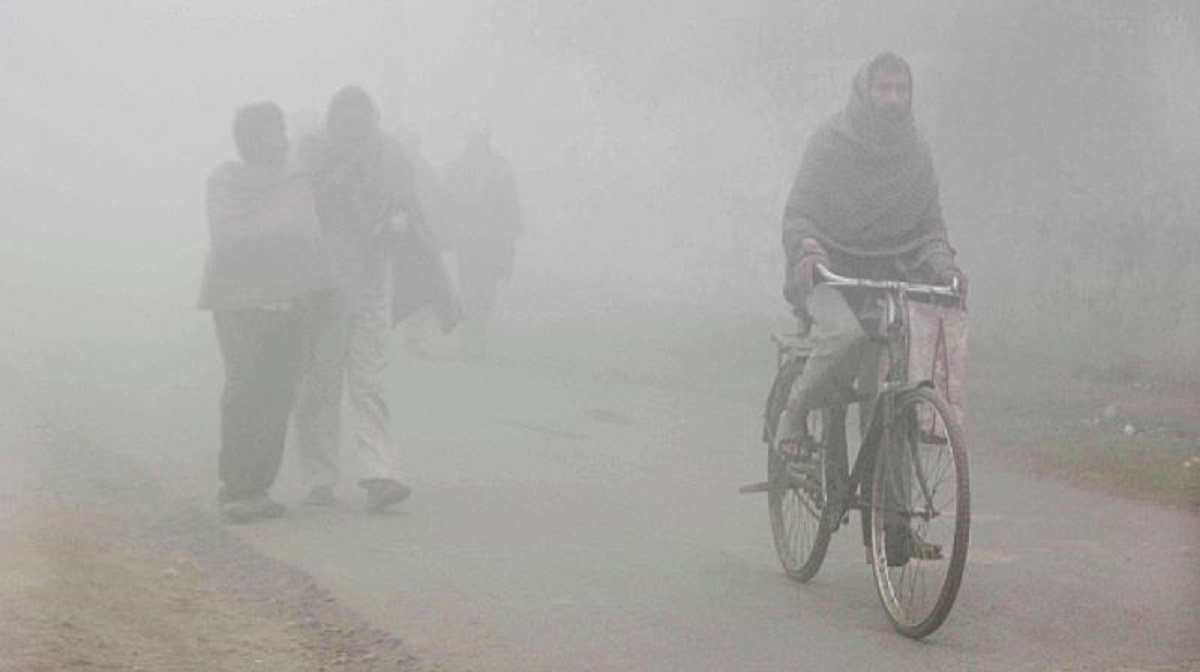
Outside the clinic, the city is shrouded in a toxic haze so thick it disrupts daily life, grounding flights, obscuring visibility, and endangering health. Delhi’s Chief Minister Atishi has declared a “medical emergency,” closing schools and advising residents to stay indoors—measures that are impractical for many who rely on daily wages to survive.


Pollution Beyond Tolerance

Recent air quality readings have painted a grim picture: Delhi’s Air Quality Index (AQI) soared past 1,750 in some areas, far exceeding the “hazardous” benchmark of 300. The PM2.5 particulate level—a dangerous pollutant that penetrates deep into lung tissue—was recorded at 77 times the World Health Organization’s safe limits.

For people like Mohammad Ibrahim, an auto-rickshaw driver, the effects are palpable. “It feels like chili in my eyes,” he says, describing how the pollution causes chest pain and black deposits in his nose after a day’s work. Yet, like Rajak, Ibrahim cannot afford to stop working despite the health risks.


Health Crisis Unfolding

The pollution is taking a toll on vulnerable groups, including the elderly and those with pre-existing conditions. Retired Air Force member Aditya Kumar Shukla, 64, has been hospitalized three times this year due to asthma exacerbated by the smog. Despite wanting to leave Delhi, Shukla laments the lack of alternatives.

Doctors at RML and other hospitals report a surge in patients with pollution-related ailments, including persistent coughs, stinging eyes, and lung problems. Pulmonologists warn that even non-smokers are developing chronic obstructive pulmonary disease (COPD), a condition linked to long-term exposure to pollutants.


Temporary Measures, Persistent Problems

Each year, pollution worsens in winter, fueled by agricultural waste fires, coal-burning power plants, and stagnant weather conditions. Emergency measures, such as halting non-essential truck movement, sprinkling roads with water, and suspending construction work, have been implemented but provide only temporary relief.

Environmental experts like Sunil Dahiya argue that these measures fail to address the root causes. “The government’s response does not match the intensity of the emergency,” Dahiya critiques, urging year-round systemic action to curb emissions from transportation, industry, and agriculture.


Policy and Action: A Slow March Forward

The Indian government introduced the National Clean Air Program in 2019 to improve air quality, but progress has been slow. Analysts contend that efforts remain reactive, focusing more on emergency responses than long-term solutions. Stubble burning, a major contributor, highlights the need for sustained interventions, not just seasonal fixes.


An Uncertain Future

For Delhi’s residents, the smog isn’t just a seasonal inconvenience; it’s a daily struggle for survival. Families like the Rajaks bear the financial and emotional burden of deteriorating health while waiting for systemic change. “The government needs to do something,” pleads Kajal, Deepak Rajak’s daughter.

As experts and citizens call for urgent action, the question remains: Can Delhi overcome its pollution crisis before the air becomes unlivable?
Viral Banana Artwork “Comedian” Sells for $6.24 Million at Auction

Overview

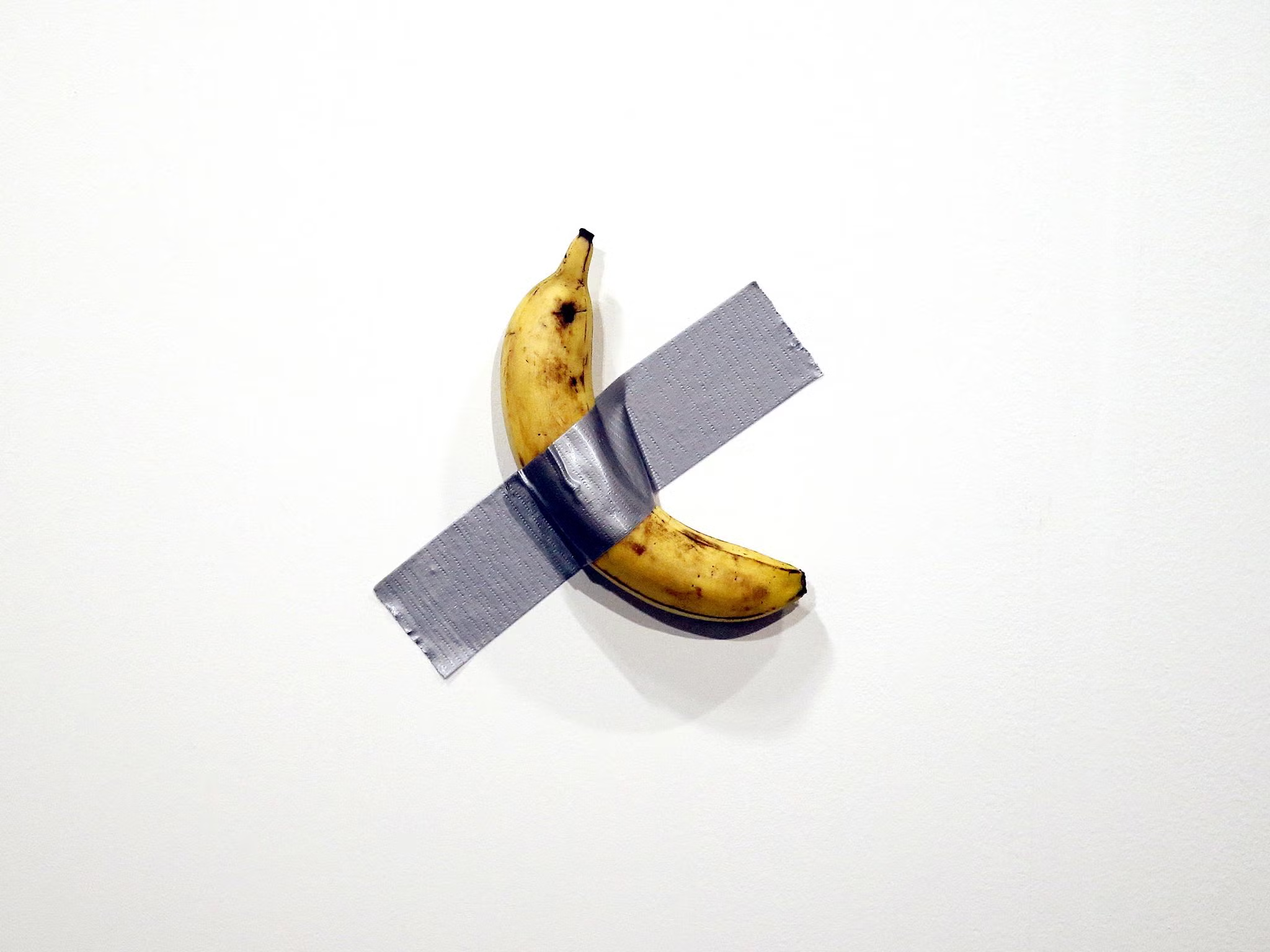
Maurizio Cattelan’s conceptual artwork, Comedian — a banana duct-taped to a wall — has once again captured global attention by selling for a staggering $6.24 million at a Sotheby’s auction in New York. This sale far surpassed its initial estimate of $1 million to $1.5 million, with bidding starting at $800,000.

The artwork was purchased by Justin Sun, a Chinese cryptocurrency entrepreneur, who views the piece as a cultural symbol bridging art, memes, and the digital community.


The Artwork and Its Cultural Significance

Comedian debuted in 2019 at the Art Basel Miami Beach fair, priced at $120,000. The original piece featured a banana sourced from a local grocery store and affixed to a wall using duct tape. The banana is meant to be replaced periodically, reflecting the transient nature of its physical components. Buyers receive installation instructions, a roll of tape, and a certificate of authenticity.

Cattelan described the work as a commentary on societal values, provoking discussions on the definition and worth of art. Critics have likened it to conceptual art milestones like Marcel Duchamp’s Fountain, challenging traditional notions of value and permanence in art.


Controversial Moments

Since its debut, Comedian has sparked debates and memorable incidents:

  1. Performance Art at Miami: In 2019, artist David Datuna ate the banana in front of stunned attendees, calling his act “artistic performance” rather than vandalism.
  2. Exhibit in South Korea: In 2023, a student at the Leeum Museum in Seoul ate the banana, citing hunger. The museum replaced it promptly.
  3. Global Exhibition: Before the recent auction, Sotheby’s showcased Comedian in cities like New York, Paris, London, Tokyo, and Dubai, amplifying its international allure.

The Auction and Future Plans

The recent sale marks the first time Comedian was auctioned, reinforcing its status as a conceptual masterpiece. Sotheby’s auctioneer Oliver Barker praised its disruptive nature, calling it both “iconic” and an embodiment of Cattelan’s thought-provoking genius.

Justin Sun, the winning bidder, plans to consume the banana as part of the “artistic experience,” in homage to its cultural significance. His statement underscores the intersection of art and popular culture, with Comedian serving as a symbol of its generation.


Critics and Legacy

Art critics remain divided over Comedian. While some celebrate its intellectual provocation, others dismiss it as a joke. David Galperin, Sotheby’s head of contemporary art for the Americas, praised the work as “defiant” and “genius,” emphasizing its role in defining contemporary art discourse.

For Cattelan, the artwork remains a reflection on societal values, its fluctuating monetary worth a testament to its central question: What do we truly value?

Kashmir’s Timeless Bread Culture Rivals Global Culinary Traditions

Overview

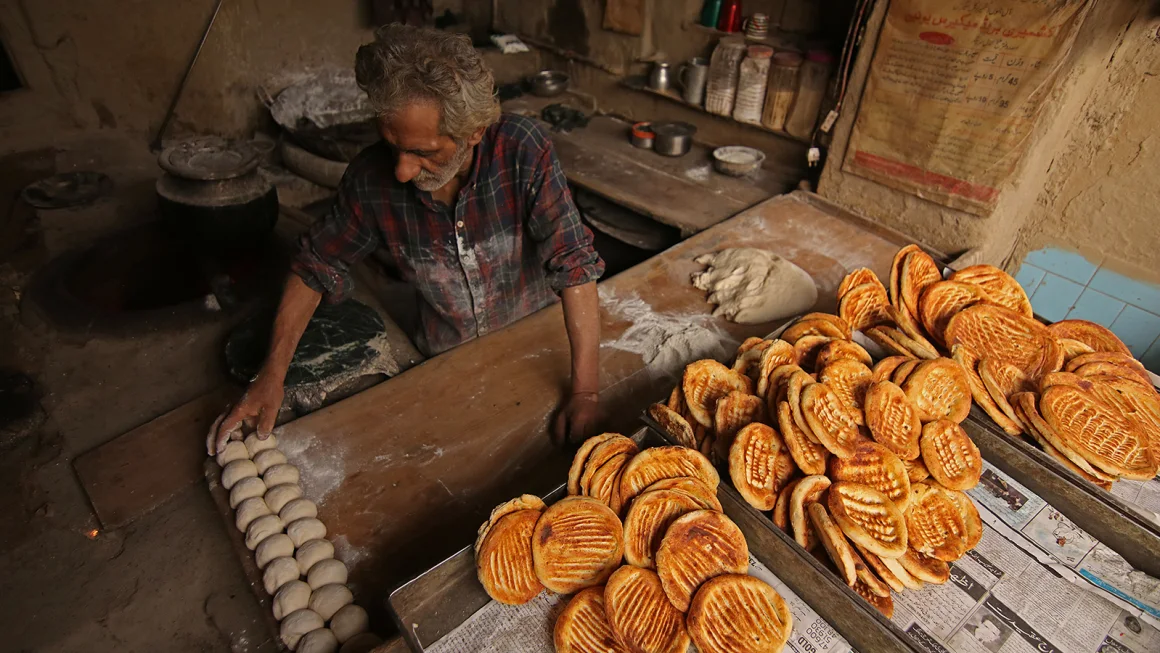
Nestled in the Himalayas, Indian-administered Kashmir, a region renowned for its natural beauty and centuries-old cultural heritage, harbors a lesser-known gem: its rich and unique bread-making traditions. Long before dawn breaks, bakers known as kandurs fire up their clay tandoors to produce an array of breads that are deeply embedded in the region’s identity.

While rice forms the staple diet of Kashmiri households, bread plays a central role in daily rituals and community life. Despite its depth and diversity, Kashmir’s bread culture remains largely undocumented and overshadowed by the region’s turbulent political narrative.


Historical Roots and Significance

Kashmir’s bread-making heritage reflects the influences of the ancient Silk Road, connecting Central Asia, the Middle East, and South Asia. The tandoor itself, originating from the Persian word “tanur,” represents a shared culinary lineage spanning Central and South Asia.

Bread in Kashmir is more than food; it is culture and community. The neighborhood kandurwan (bakery) serves as a hub where locals congregate, exchange news, and indulge in the tactile pleasures of freshly baked girda and lavasa. This bread culture is passed down orally through generations, making it an invaluable yet fragile part of Kashmiri heritage.


Variety of Kashmiri Breads

Kashmir boasts a dazzling variety of breads, each suited for specific times of day or special occasions:

  • Girda: A circular, soft bread, often paired with savory noon chai.
  • Lavasa: Thin, crisp bread ideal for breakfast or light meals.
  • Katlam: A croissant-like flaky bread.
  • Tschowor: Sesame-seed-dusted, bagel-like bread eaten in the afternoon.
  • Bakarkhani: A festive layered bread, served with mutton dishes or condiments.
  • Roth: A sweet, celebratory bread adorned with dry fruits.

Each bread carries its own culinary rituals, such as pairing girda with butter or jam in the morning or enjoying bakarkhani during special celebrations.


Preservation and Evolution

Efforts are underway to preserve and reinterpret Kashmir’s bread traditions. Documentary filmmaker Mehvish Altaf Rather captured the essence of the kandurwan in her film Kandurwan: Baking History, emphasizing bread as a unifying cultural symbol amidst the region’s fraught identity struggles.

Chefs like Jasleen Marwah, Prateek Sadhu, and Vanika Chaudhury are elevating Kashmiri breads to global dining tables. By incorporating traditional techniques with modern culinary approaches, they introduce Kashmiri breads to broader audiences:

  • Prateek Sadhu: At his fine dining restaurant Naar, serves bakarkhani with Himalayan condiments.
  • Varun Totlani: At Masque in Mumbai, has featured tschowor and katlam.
  • Vanika Chaudhury: Her collaborative menu in London celebrated bakarkhani with local twists, like pairing it with koji butter.

Marwah points out the technical parallels between Kashmiri breads and globally revered baked goods like croissants and sourdough, underscoring the craftsmanship involved.


Challenges and Revival

The oral nature of Kashmiri bread traditions poses a challenge to preservation. As bakers remain protective of their knowledge, passing it down requires years of apprenticeship and immersion. Chef Chaudhury, who attempted to learn the craft, recalls being told it would take at least three years to grasp its intricacies fully.

However, with initiatives to spotlight Kashmiri bread culture—through documentaries, cookbooks, and fine dining menus—there is hope for its revival and global recognition. Some advocates even suggest nominating Kashmiri bread-making as a UNESCO Intangible Cultural Heritage, likening its significance to France’s boulangerie tradition.


The Way Forward

Kashmir’s bread culture, a harmonious blend of tradition, community, and artistry, serves as a poignant reminder of the region’s rich yet underappreciated heritage. As chefs and cultural custodians strive to preserve and share these traditions, the world has an opportunity to savor a slice of Kashmir’s culinary legacy.