
Zomato and Swiggy Accused of Antitrust Violations by Competition Commission of India

Indian Antitrust Probe Finds Zomato and Swiggy Breached Competition Laws
An investigation by the Competition Commission of India (CCI) has concluded that food delivery giants Zomato and Swiggy engaged in practices that violated competition laws. According to confidential documents reviewed by Reuters, these companies leveraged their dominant market positions to strike deals with select restaurants, potentially stifling competition in India’s fast-growing food delivery market.

Exclusivity Contracts and Preferential Deals
The investigation revealed that Zomato entered into exclusivity agreements with restaurant partners in exchange for reduced commission rates. Similarly, Swiggy promised business growth to specific partners if they listed their services exclusively on its platform. These arrangements provided unfair advantages to certain restaurants while limiting opportunities for others, the CCI noted. By securing exclusivity, Zomato and Swiggy potentially limited consumers’ access to broader choices and hindered smaller restaurants from gaining visibility.

Impact on Market Competitiveness
The CCI’s investigative arm stated that these exclusivity practices undermined fair competition in the food delivery ecosystem. By favoring select players, Zomato and Swiggy effectively restricted other restaurants’ ability to compete on equal footing. Such practices, the report argued, prevented the market from fostering greater competition, innovation, and better pricing for consumers.

What Lies Ahead for Zomato and Swiggy?
The findings come as both companies face scrutiny over their market dominance and operational practices. If the CCI formally rules against Zomato and Swiggy, it could result in penalties or corrective measures aimed at promoting fair competition. This case also underscores the increasing regulatory focus on ensuring balanced practices within India’s rapidly evolving digital economy. For now, the spotlight remains on how these companies address the allegations and adapt their strategies to comply with regulatory expectations.
El Hierro Becomes Europe’s New Migration Epicenter Amid Rising Arrivals

Migration Crisis Hits Small Spanish Island

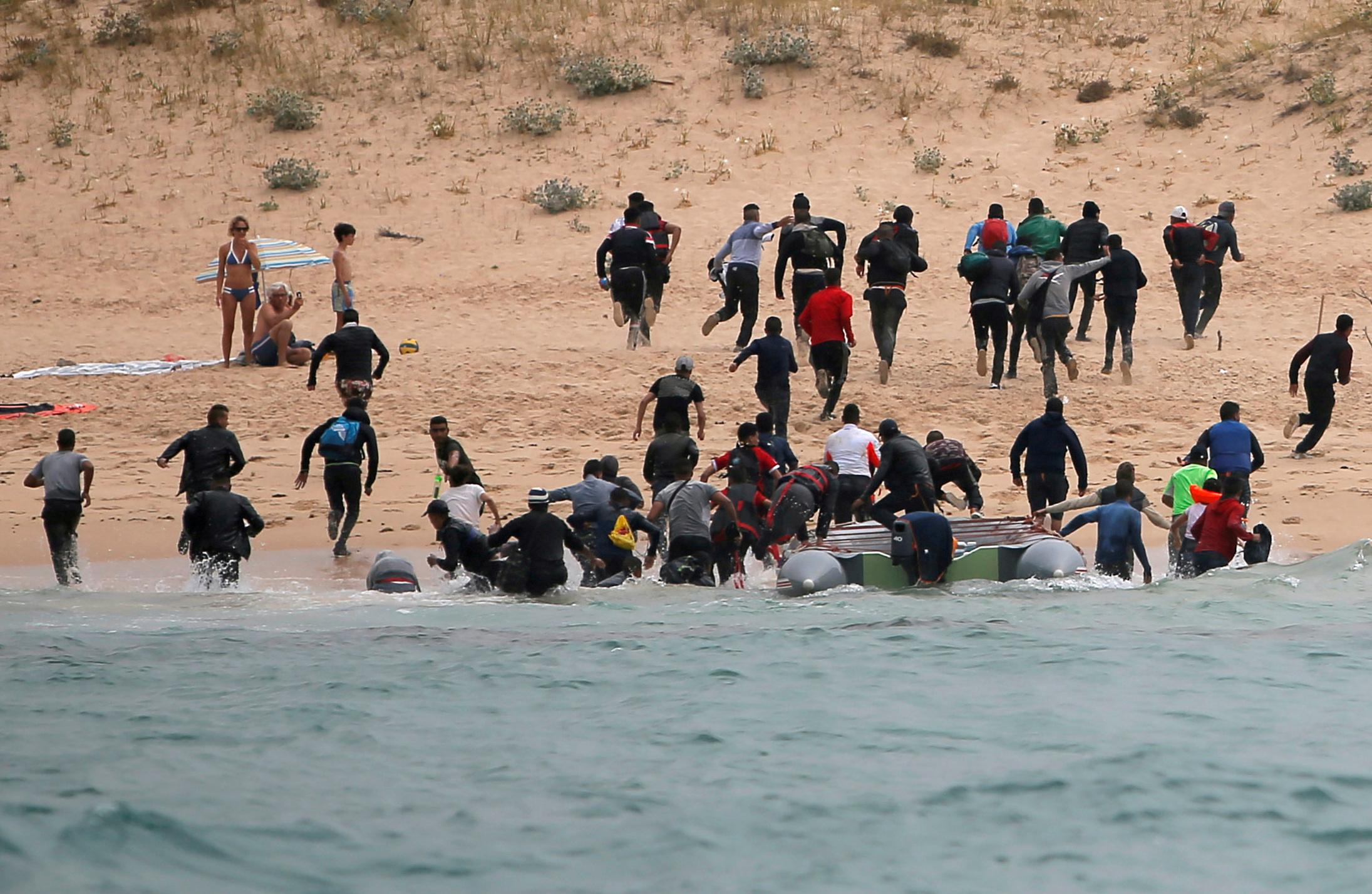
  • El Hierro, a remote island in Spain’s Canary archipelago, has emerged as a major migration hotspot in Europe.
  • In 2023, 19,400 migrants have arrived, nearly double the island’s population of 11,400, overwhelming local resources.

Struggles for Resources and Shelter

  • Nuestra Señora de los Reyes hospital, designed for 31 patients, now accommodates both locals and migrants suffering from hypothermia, dehydration, and injuries.
  • Emergency services have been stretched, with tents erected in parking lots and at the port to manage the influx.
  • Local residents, like Teresa Camacho, express concerns about the strain on healthcare, while medical staff report exhaustion from continuous demands.

Routes and Risks

  • Migrants primarily hail from Mali, Senegal, and Morocco, driven by conflict, poverty, and economic instability.
  • Many embark on perilous journeys from Mauritania, Senegal, and Gambia, paying smugglers €400-€1,500 for the dangerous 2,200-kilometer sea crossing.
  • The journey has become deadlier, with September witnessing the worst recorded shipwreck off El Hierro, where 63 of 90 passengers drowned.

Rising Numbers in the Canaries

  • The Canary Islands have seen a 23% year-on-year rise in migrant arrivals, totaling 39,713 as of mid-November.
  • This contrasts with a 43% decrease in overall EU irregular migration, attributed to tighter controls on other routes, including the central Mediterranean.

Broader Migratory Trends

  • Migrants increasingly seek alternative paths due to stricter controls in Libya and Tunisia, while the Canaries attract a growing number from Pakistan, Afghanistan, and Yemen.
  • Pakistanis, in particular, have paid up to €16,000 for journeys, reflecting shifting migratory flows.

Challenges for Local Authorities

  • The Canaries’ government is overwhelmed, especially with the care of 5,600 unaccompanied minors.
  • While Madrid has provided €100 million in aid since 2022 and pledged another €50 million, local officials argue it’s insufficient to manage the “avalanche” of arrivals.

Spain and EU Responses

  • Spain has strengthened partnerships with Mauritania, Senegal, and Gambia for border control and deportation efforts, although no formal deportation agreements exist with Mali or Senegal.
  • Madrid is pushing for Frontex to restart surveillance in Africa, pending EU negotiations with host countries.

Long-Term Solutions Needed

  • Migration researcher Alberto Ares highlights the necessity of addressing root causes like instability in the Sahel, while also opening legal migration pathways to reduce reliance on smugglers.

COP29 Host Azerbaijan Pushes for Consensus as Climate Deal Negotiations Enter Final Hours

Call for Unity Amid Financial Disputes

  • Azerbaijan, host of the COP29 climate summit in Baku, urged nations to bridge divides and finalize a finance deal as the conference nears its conclusion.
  • Central to the negotiations is a proposed framework for wealthier nations to commit hundreds of billions of dollars annually to aid developing countries in combating the escalating impacts of climate change.

Financial Gap and Global Stakes

  • Economists estimate that developing nations need $1 trillion annually by 2030 to address climate challenges.
  • Wealthy countries remain hesitant, stalling discussions on the scale of funding, the balance between grants and loans, and the inclusion of private-sector contributions in financial targets.

Negotiation Challenges

  • A Thursday draft agreement presented two sharply contrasting financial plans but left key details unresolved:
    • The annual investment figure was symbolically marked as “X.”
    • Clear distinctions between grants, loans, and the role of private finance were absent, exacerbating frustrations.
  • Delegates expressed dissatisfaction, warning that failure to achieve a middle ground could derail the talks.

Role of the United States and Global Dynamics

  • Uncertainty looms over U.S. participation in climate finance, given President-elect Donald Trump’s climate skepticism and his administration’s historical withdrawal from climate initiatives.
  • The return of U.N. Secretary-General Antonio Guterres to Baku emphasized the urgency of a deal, with Guterres warning that “failure is not an option.”

Next Steps

  • A revised draft agreement is expected by midday Friday, with Azerbaijan encouraging delegates to propose bridging solutions.
  • Historically, COP negotiations often extend beyond deadlines, raising the possibility of prolonged discussions to finalize details.

Outlook and Implications

  • The financial commitment from developed nations is pivotal for bolstering global climate action, particularly for vulnerable countries facing disproportionate climate impacts.
  • A failure to agree on a robust deal in Baku could undermine trust and momentum in international climate efforts.