
Shadow ‘Financial Crisis’ from Climate Disasters Costs World $2 Trillion, ICC Report Warns

The rising economic toll of climate-related disasters has reached a staggering $2 trillion globally, a new report by the International Chamber of Commerce (ICC) reveals. Over the past decade, the economic damage from extreme weather events has soared, rivaling the financial toll of the 2008 global financial crisis. Released just as the United Nations Climate Change Conference kicks off in Azerbaijan, the ICC report highlights the need for swift, coordinated policy action to curb greenhouse gas emissions.

From 2014 to 2023, nearly 4,000 extreme weather events across six continents inflicted severe financial costs, disrupting homes, infrastructure, and human productivity worldwide. The report estimates that 1.6 billion people were impacted by climate disasters in this period. The ICC emphasizes that climate change is not a distant threat but an immediate economic issue, with damages from weather-related disasters climbing 83% between 1980-1999 and 2000-2019.

In the most recent years, 2022 and 2023 alone, climate damages reached $451 billion, marking a 19% rise compared to the previous eight-year average. According to ICC Secretary-General John W.H. Denton AO, these figures underline the urgent need for global leaders to respond with decisive action, akin to the response to the 2008 financial crisis.

The report’s release follows the re-election of Donald Trump as U.S. President, who has vowed to reverse various climate regulations. During his previous term, Trump withdrew the U.S. from the Paris Climate Agreement, arguing it imposed excessive economic burdens. This approach contrasts sharply with the ICC’s call for intensified efforts to limit emissions and mitigate climate change’s financial and human impacts.

Meanwhile, recent data from Europe’s Copernicus Climate Change Service suggests that 2024 is likely to become the hottest year on record, underscoring the critical need for immediate action. The ICC report serves as a stark reminder of the costly toll that inaction on climate change will exact on global economies.
 

Singapore Airlines Shares Dip as Profits Plummet Amid Rising Competition

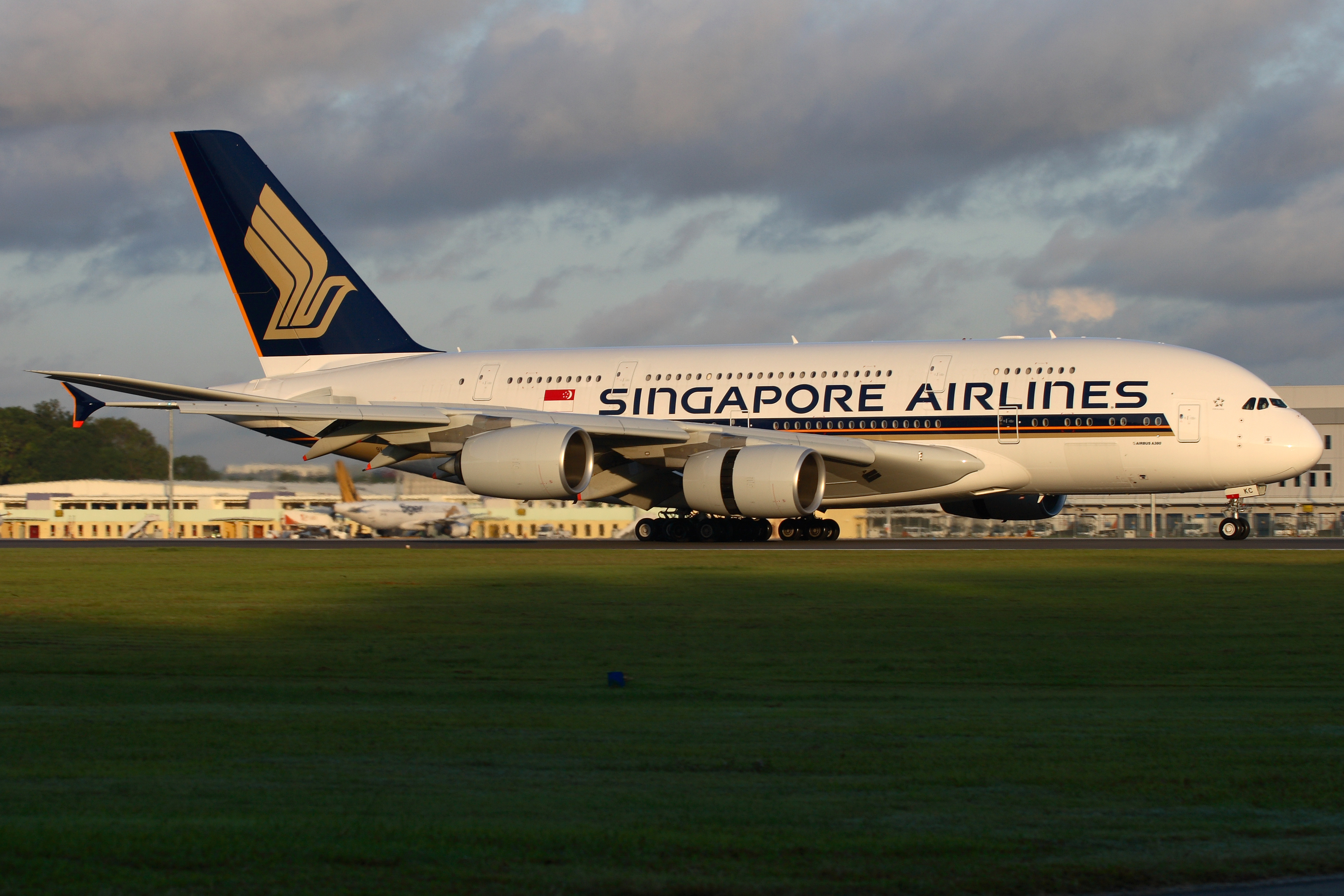
Shares of Singapore Airlines (SIA) fell sharply after the airline announced a nearly 50% drop in net profits for the April-September period, attributing the decline to intense competition and lower yield. The company’s shares plunged by as much as 6.2% when markets opened on Monday, recovering slightly to end 3.57% lower.

For the first half of the fiscal year, SIA reported a net profit of SG$742 million (US$559.12 million), nearly halving from SG$1.44 billion during the same period last year. Operating profits also dropped by 48.8% to SG$796 million from SG$1.55 billion, despite a 3.7% increase in revenue to SG$9.5 billion. Despite the steep decline, the airline declared an interim dividend of 10 Singapore cents per share.

The airline attributed the fall in operating profits to growing competition and increased capacity across key markets, which put downward pressure on ticket prices and yields. During an earnings briefing, Chief Commercial Officer Lee Lik Hsin noted that SIA is facing tougher competition as other airlines restore pre-pandemic capacity levels. SIA CEO Goh Choon Phong added that the return to higher capacity levels has created additional pressure on yields compared to last year.

While passenger traffic grew by 7.9% year-on-year, this was outpaced by a capacity expansion of 11%, leading to a slight drop in the passenger load factor—a metric reflecting seat occupancy—by 2.4 percentage points, settling at 86.4%. Lee emphasized that SIA will continue to expand its capacity, despite the competitive environment.

Looking ahead, Singapore Airlines expressed optimism about sustained demand for air travel in the latter half of the financial year but acknowledged that competition will remain intense. The airline recently announced a SG$1.1 billion cabin retrofit program for its fleet of Airbus A350 long-range and ultra-long-range jets, with plans for the first retrofitted aircraft to be operational by 2026 and full completion by 2030.


Global Competition for Hosting Formula 1 Races Intensifies

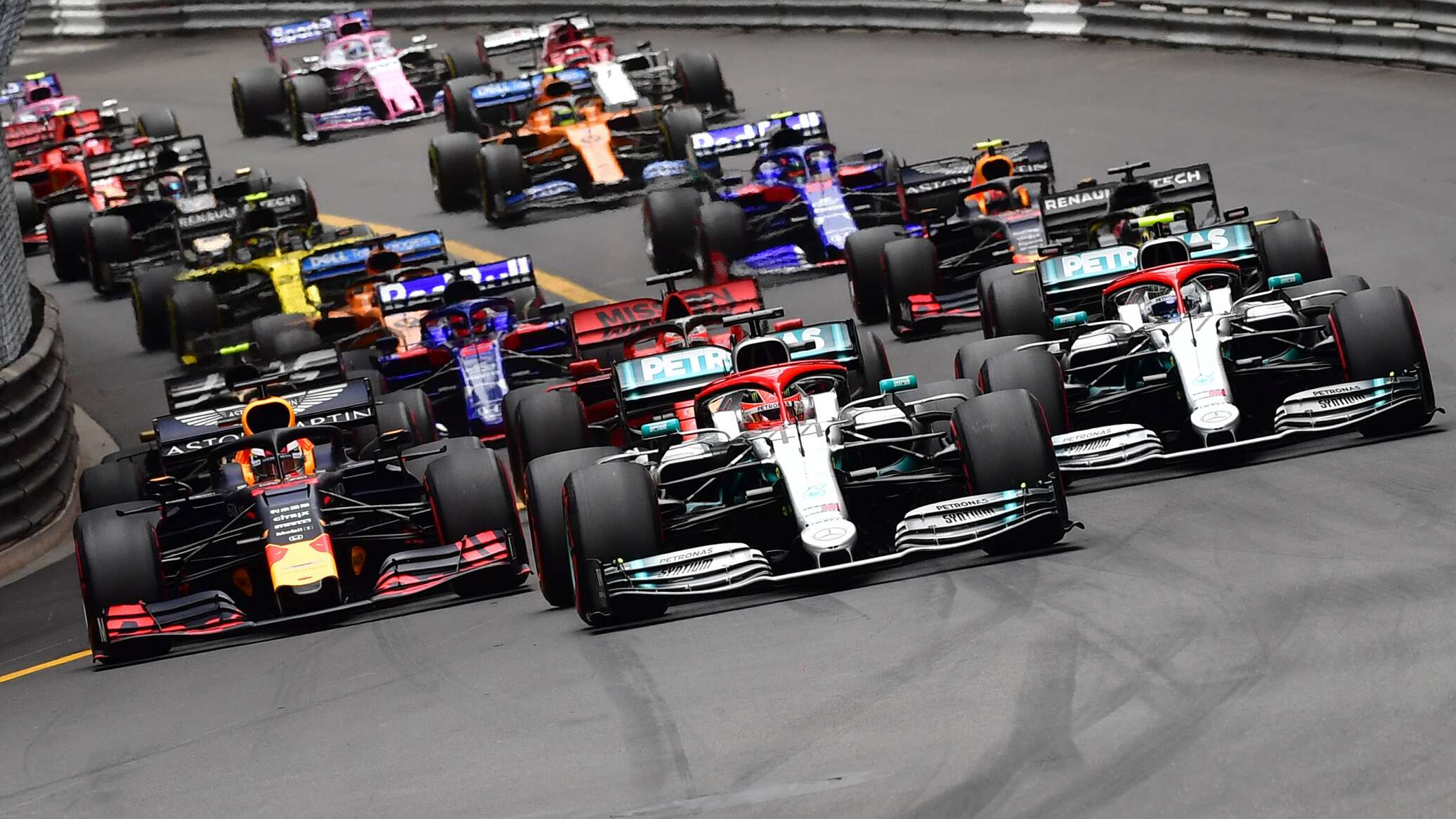
As Formula 1 (F1) races continue to captivate international audiences, the race to host a 2026 Grand Prix has become fiercely competitive, with several nations vying for limited slots on the prestigious calendar. Current circuits are scrambling to secure contract extensions, while new contenders from Thailand and South Korea have submitted bids. Meanwhile, other nations, including India and Rwanda, are rapidly developing infrastructure to bolster their applications, aiming to attract F1’s substantial economic impact.

F1 CEO Stefano Domenicali emphasized the importance of the bids received, noting that calls from heads of state indicate the gravity of hosting a Grand Prix. “This is not political,” he explained, “it is something really substantial.” However, the stakes are high for countries that may lose their place on the calendar, as exemplified by Belgium, where the annual Grand Prix injects an estimated $248 million into the local economy. Belgium’s prime minister, concerned about the potential impact on the country’s finances, has been actively lobbying F1 executives to keep the event on the calendar.

Middle Eastern nations have also made significant investments in F1 as part of broader economic diversification goals. Abu Dhabi, which entered the F1 calendar in 2009, famously constructed the $40 billion Yas Island, transforming it into a luxury tourist destination now drawing millions of annual visitors. Saudi Arabia has similarly leveraged F1 to promote tourism, with data indicating that U.S. race fans are twice as likely to consider visiting Saudi Arabia compared to other Americans. As Robin Fenwick, CEO of sports marketing agency Right Formula, put it, “Formula One doesn’t showcase the race, it showcases the city.”

Longstanding races, including the iconic Monaco Grand Prix, are feeling the pressure as F1 evaluates the economic returns of each event. Monaco, known for its glamorous Monte Carlo setting, draws immense media attention, with local businesses profiting significantly during the event. However, Monaco currently pays a fraction of what newer hosts, like Saudi Arabia, contribute to F1. Some leaders, like McLaren CEO Zak Brown, have suggested that F1’s survival does not depend on Monaco, as other races such as Miami, Las Vegas, and Singapore are generating high ratings and financial contributions.

The shift toward commercial profitability has sparked some criticism from F1’s core fan base. Rising ticket prices, partly due to F1’s new “dynamic pricing” model, have raised concerns about accessibility for families. Nevertheless, F1’s weekend events, featuring concerts from popular artists like Ed Sheeran and Stormzy, have attracted broader audiences, aligning with a trend toward making Grand Prix weekends more family-friendly and socially engaging.

In the U.S., F1’s approach has paid off considerably. The 2023 Las Vegas Grand Prix alone generated an estimated $1.2 billion in economic impact through tourism, entertainment, and infrastructure investments. Domenicali likened the impact of F1’s U.S. events to the American Super Bowl, claiming, “We are bigger.”

As F1 balances its traditional racing appeal with its expanding mainstream influence, Domenicali and the F1 leadership will face challenging decisions. The sport’s economic weight means that removing any event from the calendar will have significant repercussions for the regions involved, underscoring the high stakes and broader implications of hosting an F1 race.