Key Opposition Leader in Japan Admits to Affair Amid Political Shift

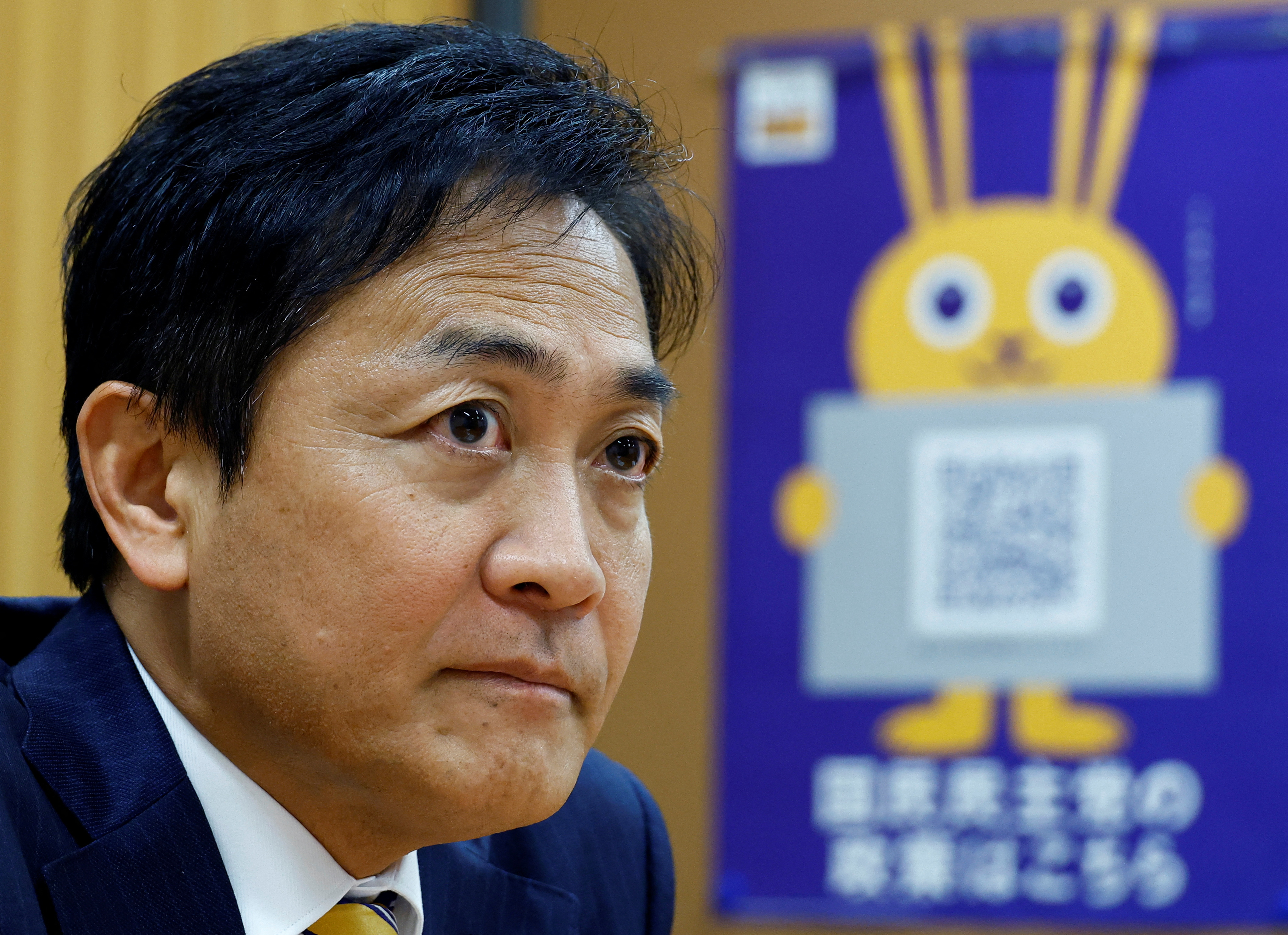
Yuichiro Tamaki, leader of Japan’s Democratic Party for the People (DPP), admitted on Monday to an extramarital affair reported by the tabloid SmartFlash, potentially complicating his role as a critical power broker in Japan’s evolving political landscape. The affair, involving a 39-year-old model and entertainer, was documented by the tabloid with photos of Tamaki, 55, meeting the woman in both July and October. At an impromptu news conference, Tamaki acknowledged the report, stating, “The facts reported this morning are basically true,” and apologized publicly for the situation.

Despite the scandal, Tamaki has retained full support from his party members to remain as leader, according to DPP Secretary General Kazuya Shimba. In response to the affair, Tamaki shared a personal message from his wife, who had emphasized the importance of loyalty: “You can’t protect the country if you can’t protect the person closest to you.” He expressed regret and commitment to move forward, promising to “reflect on my action and do my best to work in a way that is in the best interests of the country.”

This revelation comes at a pivotal time in Japanese politics as lawmakers prepared for a special parliamentary session on Monday to decide if Prime Minister Shigeru Ishiba should continue in his role. Ishiba’s ruling coalition lost its lower house majority in last month’s election, diminishing his mandate but leaving his party with the largest seat bloc. While Tamaki’s DPP had initially signaled they would not support Ishiba in Monday’s vote, the party is open to collaborating with the ruling Liberal Democratic Party (LDP) on specific policy initiatives.

As Ishiba contends with a fragile minority government, Tamaki’s DPP emerges as a potential ally for pushing key legislation, even amid the turbulence caused by his personal controversy.


Japan’s PM Ishiba Survives Parliamentary Vote Amid Domestic and International Challenges

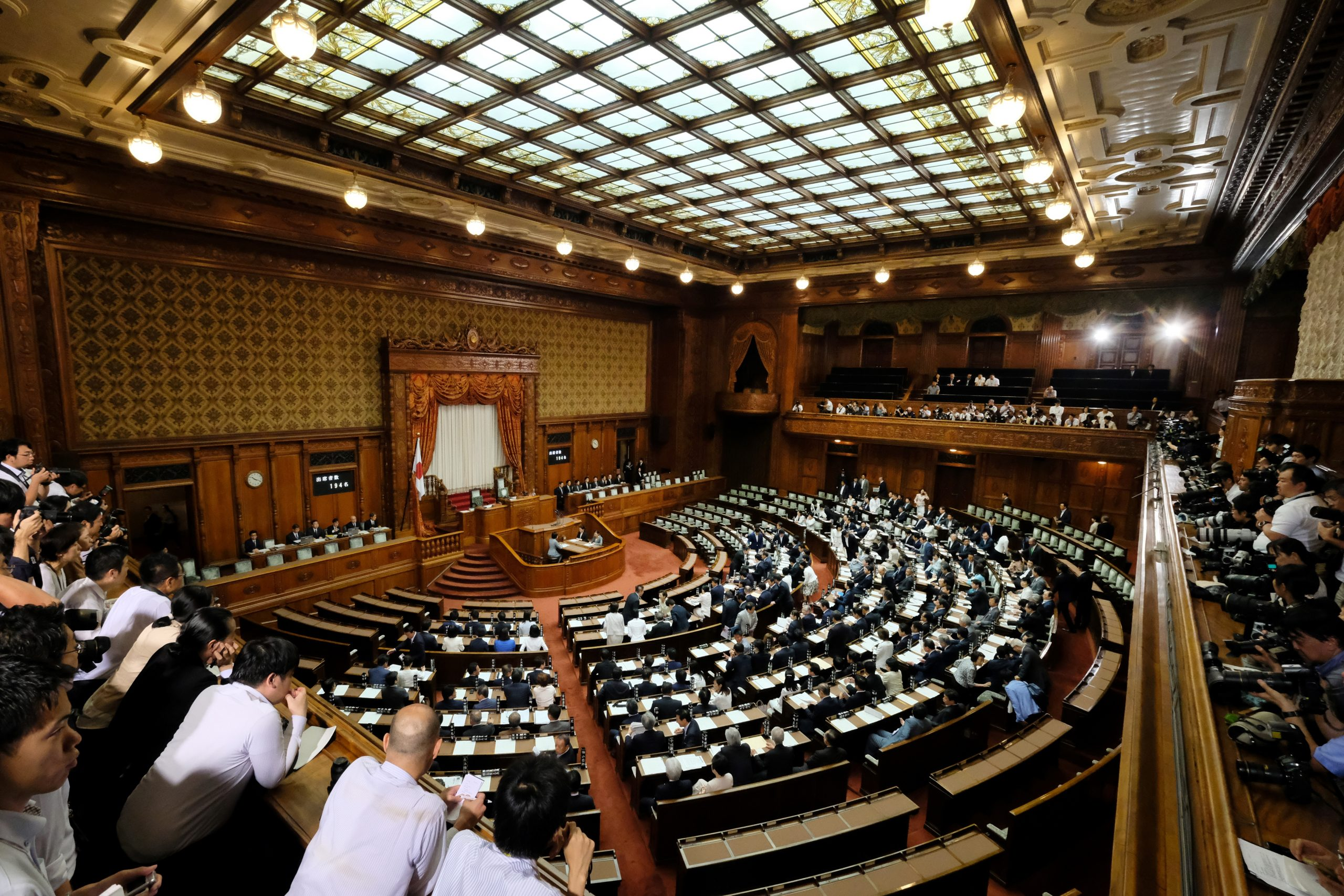
Japanese Prime Minister Shigeru Ishiba retained his leadership after a close parliamentary vote on Monday, following the loss of his coalition’s majority in a recent lower house election. Ishiba, who assumed office on October 1, now faces the challenge of steering a minority government amid mounting international and domestic pressures. These pressures are heightened by the recent re-election of Donald Trump in the United States, rising regional tensions with China and North Korea, and calls within Japan to address inflation and reduce the cost of living.

Ishiba’s coalition, consisting of the Liberal Democratic Party (LDP) and its partner Komeito, holds the largest bloc of seats in the lower house. However, losing their majority has left the coalition dependent on smaller opposition parties to pass legislation. Monday’s leadership vote underscored this vulnerability; it required a runoff—the first of its kind in three decades—after no candidate achieved a majority in the initial round. Ultimately, Ishiba prevailed with 221 votes, defeating former Prime Minister Yoshihiko Noda, leader of the Constitutional Democratic Party, though still falling short of a majority in the 465-seat chamber.

In the coming months, Ishiba faces key tests, including an upper house election next year where the coalition’s narrow majority could be jeopardized. Public trust in his leadership has been weakened by a recent scandal involving unrecorded donations to lawmakers. His immediate priority will be to prepare a supplementary budget for the current fiscal year, with a focus on social welfare and measures to mitigate rising prices. Gaining opposition support will be essential for budget approval, with the Democratic Party for the People (DPP), led by Yuichiro Tamaki, seen as the most likely ally. Although Tamaki has engaged in talks with Ishiba, DPP members abstained from voting for his continuation as prime minister last week. Tamaki’s political standing also faces scrutiny due to a recent personal scandal.

Looking outward, Ishiba’s diplomatic agenda includes a G20 summit in Brazil on November 18-19, where he plans to address Japan’s position in a shifting global economy. Ishiba is also arranging a meeting with U.S. President-elect Donald Trump during the trip, hoping to revive the cooperative Japan-U.S. relationship that marked Trump’s previous term, facilitated by close ties with former Japanese Prime Minister Shinzo Abe. Japanese officials remain cautious, however, as Trump’s return could bring renewed pressure on Japan to increase payments for hosting U.S. military bases and avoid potential trade restrictions.

As Ishiba seeks to balance these internal and external challenges, his leadership will likely depend on securing cross-party alliances at home and stabilizing Japan’s strategic ties abroad.


Potential Pentagon Shake-Up Looms as Trump Eyes Loyalty-Driven Military Leadership in Second Term

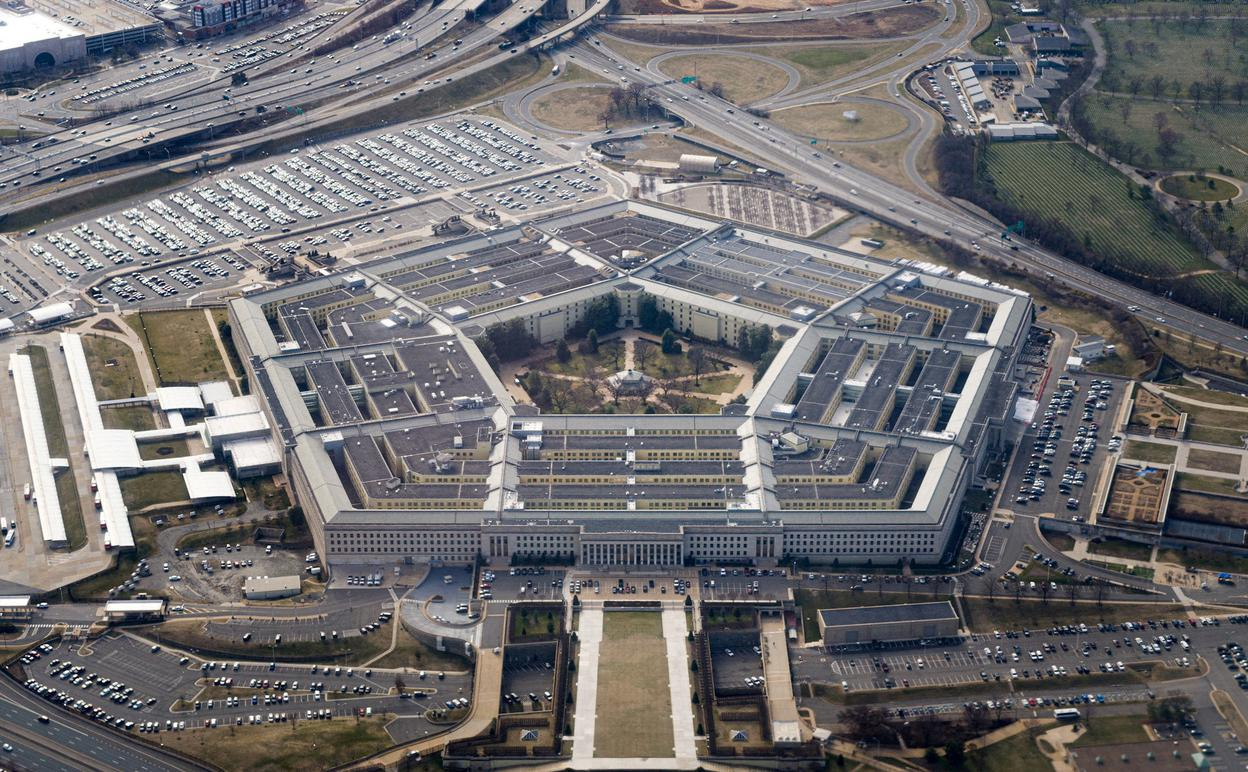
With Donald Trump poised to assume office, speculation swirls over potential widespread changes in the Pentagon. During his campaign, Trump promised to remove so-called “woke” generals, raising concerns among current military and civilian officials about an impending purge of personnel seen as disloyal or politically misaligned. Trump’s renewed focus on loyalty stems from past frustrations with military leadership, stemming from issues such as skepticism over NATO and hesitance to deploy U.S. troops for domestic security.

Trump’s criticism extends beyond the Pentagon’s ranks. Some former military leaders, including Trump’s ex-chairman of the Joint Chiefs, General Mark Milley, have voiced their own disapproval of his leadership, with Milley calling out Trump for alleged authoritarian tendencies. Now, Trump has openly suggested severe consequences, such as possible charges of treason for perceived disloyalty, even hinting at the execution of those he deems unfaithful.

Experts predict that Trump’s priority on loyalty may prompt him to oust high-ranking military officials and career Pentagon employees. Senator Jack Reed, chair of the Senate Armed Services Committee, warned that Trump’s approach could severely disrupt the Department of Defense, suggesting he would remove officials upholding constitutional principles. One figure likely to be scrutinized is the current Joint Chiefs Chairman, General C.Q. Brown, who has actively supported diversity initiatives and spoken out against discrimination in the military.

The emphasis on loyalty over experience could extend beyond military officials to civilian staff. Allies of Trump, including Vice President-elect J.D. Vance, have endorsed replacing federal employees with conservative loyalists, suggesting civil servants within the Department of Defense could also face loyalty tests. This has sparked concern that the ranks of experienced professionals, integral to defense operations, might be hollowed out, diminishing long-term expertise within the Pentagon. A senior defense official cited widespread anxiety, noting the potential for a “chaos premium” resulting from the scale of changes Trump’s administration may pursue.

Cultural issues have become key talking points. Trump’s campaign underscored plans to remove diversity-focused policies and reinstated a ban on transgender individuals serving in the military. Campaign materials amplified a hardline stance on “anti-woke” policy positions, framing transgender and social diversity policies as contrary to national strength. Trump has pledged to rename military bases honoring Confederate generals, signaling another reversal of progressive reforms.

More alarmingly, Trump’s broader policy agenda includes plans to mobilize the military in ways unseen in recent administrations. This could mean the use of National Guard or even active-duty troops to enforce immigration policy or quell domestic unrest, proposals that have sparked warnings among military experts. Such moves, they argue, could provoke public backlash and politicize the military, eroding its longstanding reputation as a respected, apolitical institution. Defense Secretary Lloyd Austin recently reminded the armed forces that they are required to follow “all lawful orders” but has cautioned that interpretation of the law could lead to contentious situations if morality or ethics are at stake.

Military analysts highlight that there is a misconception about whether soldiers can disobey morally questionable orders; in reality, service members are bound to obey lawful commands regardless of personal reservations. Kori Schake of the American Enterprise Institute notes the potential for confusion within the ranks if such high-level turnover and culturally divisive policies are implemented. For many, this loyalty-based purge could redefine the Pentagon’s operational culture for years to come, introducing political leanings into military service and straining its core missions.

As Trump prepares to enact sweeping changes, including possible amendments to federal employment policies, the Pentagon faces an uncertain future, with some officials predicting a transformation as profound as “2016 on steroids.” This period of heightened politicization could leave lasting consequences for the Department of Defense, possibly reshaping its core values and affecting the effectiveness of American military operations.