FEMA Fires Employee Who Instructed Florida Relief Workers to Avoid Trump Supporters

The Federal Emergency Management Agency (FEMA) confirmed on Saturday that it has terminated an employee who reportedly told relief workers in Florida to avoid assisting homes displaying yard signs in support of Donald Trump, then a presidential candidate. FEMA Administrator Deanne Criswell issued a statement condemning the employee’s actions as a violation of the agency’s core values, which prioritize providing aid regardless of political affiliation. “This was reprehensible,” Criswell stated, emphasizing FEMA’s commitment to unbiased assistance.

According to the initial report from The Daily Wire on Friday, the fired FEMA supervisor had directed her team to exclude Trump-supporting homes from disaster recovery operations. Criswell affirmed FEMA’s dedication to impartial relief efforts, adding that the incident has been referred to the Office of Special Counsel for further investigation. “I will continue to do everything I can to make sure this never happens again,” she asserted.

Florida Governor Ron DeSantis strongly criticized the incident, calling it “targeted discrimination of Floridians who support Donald Trump.” He also ordered Florida’s Division of Emergency Management to launch an investigation. In a post on social media platform X, DeSantis denounced what he termed the “blatant weaponization of government by partisan activists in the federal bureaucracy,” adding that such incidents underscore the need for a change in federal leadership.

This incident follows just days after Trump’s recent presidential victory over Vice President Kamala Harris, and during ongoing recovery efforts for Hurricane Milton, which caused significant damage to Florida’s Gulf Coast. During the storm response, Criswell had previously criticized Trump, accusing him of spreading misinformation about FEMA’s disaster relief funding status.
 

Dutch PM to Skip COP29 Climate Summit Amid Probe into Soccer Violence

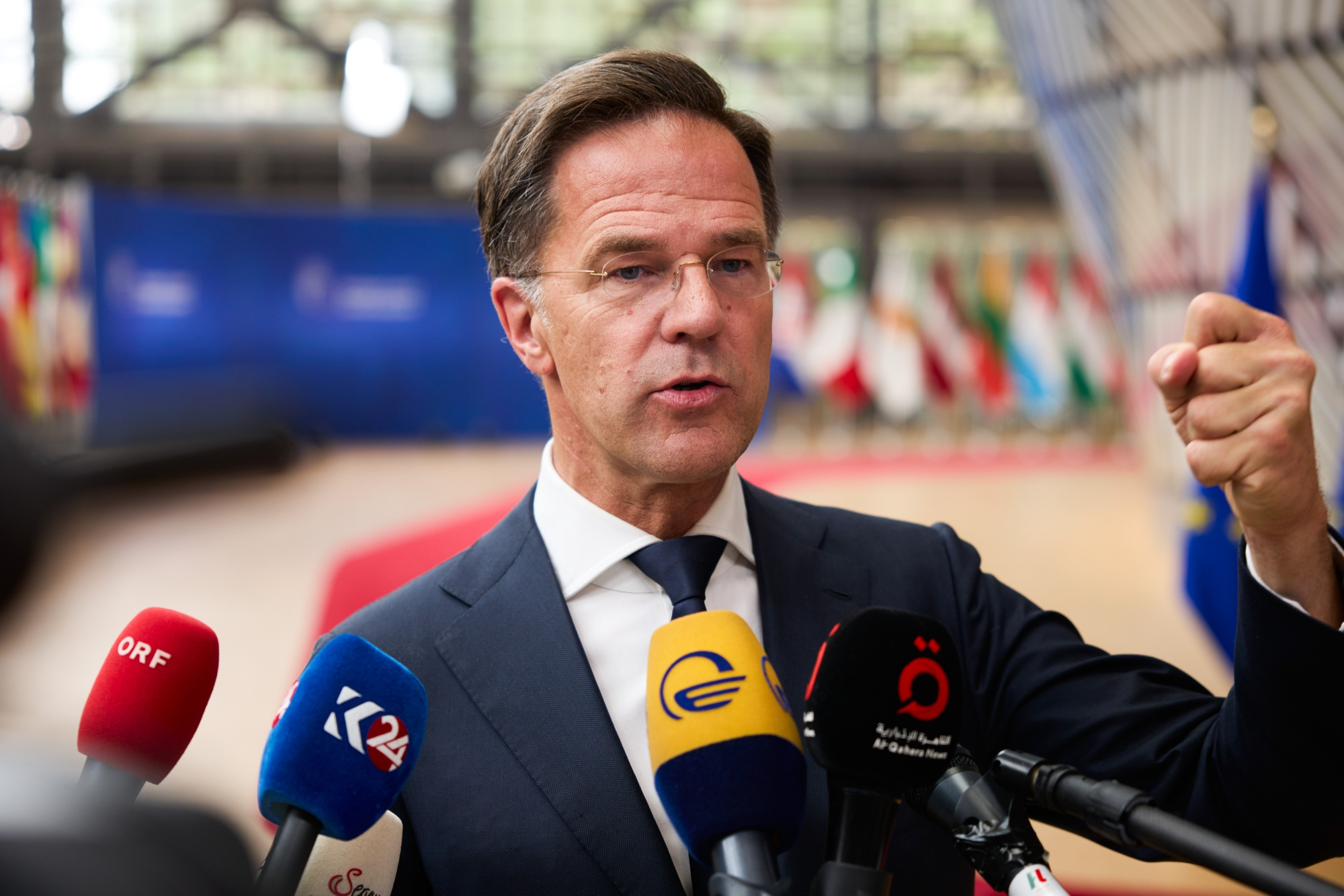
Dutch Prime Minister Dick Schoof announced that he will not attend the COP29 climate summit in Azerbaijan, choosing instead to remain in the Netherlands following recent violent clashes in Amsterdam between Israeli soccer fans and pro-Palestinian demonstrators. The incident, which took place after a Europa League match where Ajax defeated Maccabi Tel Aviv 5-0, is under investigation, with authorities looking into whether warning signs from Israel were overlooked.

In a statement posted on the social media platform X, Schoof cited the “major social impact” of Thursday night’s violence as the reason for his decision, noting that discussions on the issue will take place at the cabinet meeting on Monday. While Prime Minister Schoof will be absent from COP29, Dutch Climate Minister Sophie Hermans will attend the climate summit, which runs from November 11 to 22, with a climate envoy stepping in for Schoof.

Amsterdam prosecutors reported that four suspects remain detained on charges related to the violent unrest, including two minors, while 40 individuals were fined for causing public disturbances, and 10 others faced penalties for offenses such as vandalism. Officials anticipate additional arrests as investigations continue.

The events have drawn attention beyond the Netherlands, with Israeli Foreign Minister Gideon Saar visiting the country to meet with Prime Minister Schoof and Dutch officials. Saar also held discussions with Justice Minister David van Weel and Geert Wilders, leader of the far-right Freedom Party, upon his arrival. Justice Minister van Weel informed parliament that authorities are examining whether the attacks were organized and if they may have been motivated by antisemitism.

Social media videos capturing the unrest revealed confrontations between riot police and demonstrators, with some individuals shouting anti-Israeli slogans. Additional footage showed Maccabi Tel Aviv fans using anti-Arab slurs prior to the match. As tensions escalated, Israel deployed planes to bring supporters home from the Netherlands.

The Palestine Football Association (PFA) condemned the violence, emphasizing that “violence and hate in all their manifestations have no place in sports.” In response to rising tensions, Amsterdam authorities imposed a weekend ban on public demonstrations and granted police expanded stop-and-search powers.

In recent weeks, antisemitic incidents have surged in the Netherlands amid the ongoing Gaza conflict, with multiple Jewish organizations and schools reporting threats and hate mail. Political leaders, including Prime Minister Schoof, have condemned the violence as antisemitic, stressing the need for swift justice.


Kamala Harris’ Michigan Loss Highlights Key Democratic Party Weaknesses

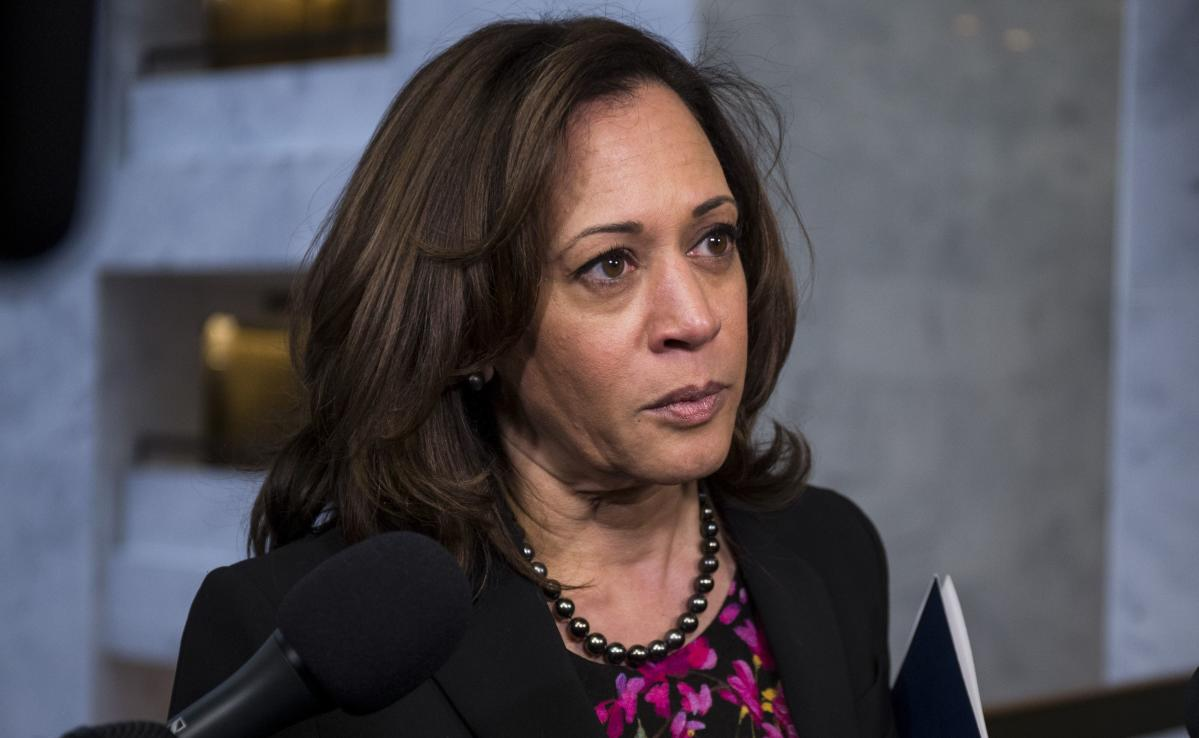
Kamala Harris’ recent loss in Michigan, where she trailed Donald Trump by over 80,000 votes, underscores challenges facing the Democratic Party as it seeks to connect with key voter groups. Despite Michigan’s status as a traditionally Democratic state, shifts in support from union workers, Black voters, and significant portions of the Arab American and Muslim communities contributed to the outcome. With only three months to campaign following Joe Biden’s withdrawal from the race, Harris faced a complex landscape marked by economic concerns and frustrations over national party strategy.

Michigan’s economic climate was a central issue, with voters deeply concerned about rising costs for food and housing. Although Democratic strategist Ameshia Cross noted Harris’ efforts in Michigan, including 11 visits and a large ground presence, she emphasized the importance of localized campaign efforts. Cross criticized the “consulting class” within the Democratic Party for relying too much on polls and projections over on-the-ground feedback, noting that Michigan needed even more direct engagement to address pressing voter concerns.

The Arab American and Muslim communities, influential in Michigan and especially in cities like Dearborn, became crucial battlegrounds. Traditionally Democratic, these groups shifted substantially this election, with many voters supporting Trump and third-party candidate Jill Stein. Harris faced criticism for insufficient outreach; Trump’s campaign targeted these communities with messages framing him as a “president of peace,” while associating Harris with unpopular U.S. foreign policies. Notably, Harris did not visit Dearborn directly, though she met with the city’s Mayor Abdullah Hammoud, who ultimately withheld his endorsement.

The broader Muslim community’s discontent was evident in Michigan and other states, as reported by the Council on American-Islamic Relations. An exit poll of verified Muslim voters indicated Stein received 53% of the vote, with Trump and Harris trailing at 21% and 20%, respectively. Harris’ affiliation with former Representative Liz Cheney in town hall events, given Cheney’s family’s involvement in Middle East conflicts, also alienated some voters, especially in light of local tensions surrounding U.S. support for Israel.

In Detroit, a city with a large Black population, voter turnout declined from the 2020 election despite recent state laws expanding early and absentee voting. Detroit canvasser and auto worker Hazen Turner noted that high costs and economic pressures made it difficult for many young Black voters to see meaningful benefits from the current political system. Former Michigan House representative Sherry Gay-Dagnogo highlighted frustration within Detroit’s Democratic organizers, sharing that she struggled to secure basic campaign materials like yard signs while Trump’s campaign flooded the city with outreach.

The campaign’s approach also alienated Michigan’s significant population of non-college-educated voters, who make up 62% of the electorate. Many union members, including United Auto Workers (UAW) members, expressed disillusionment, even as the Democratic administration had supported their recent strike. Isaiah Goddard, a white UAW member, met Trump during a visit to a non-union facility and shared his support, stating that he trusts Trump’s stance on job security and immigration.

The Democratic Party faces a challenging path forward, with lessons from Michigan suggesting that economic messaging, strong local engagement, and careful consideration of foreign policy concerns among key voter groups will be essential for future campaigns.