
3 High-Paying Roles in Growing Industries: Surprising Six-Figure Jobs to Consider

Job hunting can be stressful and is impacting mental health for many—72% of job seekers say the search has taken a toll on their well-being, according to a recent Resume Genius survey. The competition is intense, with only one job opening per unemployed person as of September 2024, compared to two openings per person in early 2022.

Despite a relatively low job increase of just 12,000 positions in October, certain industries have shown steady growth this year, particularly in food services, hospitality, and government. Surprisingly, even within these fields, which aren’t typically associated with high salaries, there are roles offering six-figure earnings, according to John Mullinix, head of growth marketing at Ladders.

Here are three high-paying roles in these industries to consider:

1. Director of Supply Chain

In the food services industry, upper management positions like the director of supply chain offer significant salaries. This role involves overseeing the supply flow across multiple locations and ensuring that restaurants have access to essential supplies, such as food items and merchandise.

“Once you move up to the regional or higher levels, you start to see six-figure roles,” says Mullinix. On average, a director of supply chain in the fast-food industry earns about $187,000 annually, although requirements often include a bachelor’s degree and industry experience.

2. Hotel Manager

Hospitality has its share of lucrative management roles, including hotel manager positions. This role includes responsibilities like overseeing day-to-day hotel operations, staff training, and maintaining high standards for guest experiences.

A bachelor’s degree isn’t always necessary, but experience in hospitality is highly valued. In fact, some hotel management positions listed on job sites like Indeed are offering salaries as high as $180,000 per year, according to Toni Frana, a career expert at FlexJobs.

3. Cybersecurity Specialist

The government is continually seeking cybersecurity specialists to help protect its digital infrastructure, with this field seeing significant demand due to global cybersecurity challenges.

These roles often don’t require a bachelor’s degree, though IT experience is generally preferred. Cybersecurity specialists, particularly in government, may need U.S. citizenship and security clearance. Average earnings for cybersecurity specialists are around $124,000 annually, making it a highly competitive and rewarding career.

Couple Transforms $53,375 Disney Cabin into Dream Tiny Home: A Look Inside

Grace and Jacob Kocher, both 26, spent three years living in an RV before they decided it was time to settle down. After traveling across 25 states and extensively searching for a new home in Florida, they found an unusual opportunity—a one-bedroom, one-bathroom Disney Fort Wilderness cabin, listed for $49,900 on Facebook Marketplace. The 500-square-foot cabin, originally part of the Magic Kingdom Resort Area, seemed ideal given the couple’s familiarity with tiny living and memories of staying in Disney cabins throughout their childhoods.

The Disney cabin’s affordability compared to other tiny homes, which were often priced over $100,000, made it an attractive option. Determined to keep expenses under $125,000 with minimal debt, the Kochers purchased the cabin in April for $53,375 after taxes. Although they couldn’t inspect the cabin in person beforehand, the photos indicated it was in relatively good condition with minimal wear and tear. “It was a good price for what it was,” Grace said, feeling reassured by the cabin’s Disney World origin and build quality from 1998.

The cabin arrived on their lot in June, transported on a semi-truck, an overwhelming but thrilling moment for the couple. They immediately began renovations, tackling much of the work themselves, from painting the kitchen to updating hardware and lighting. Jacob handled larger tasks, like plumbing and electrical work, with professional assistance, while Grace focused on making the interior their own. The original cabin furnishings, which included a bunk bed, couch, TVs, and various appliances, were sold to offset renovation costs. They also discovered unique Disney memorabilia, like a Fort Wilderness-branded telephone and a small “Frozen” Sven figurine, which they kept as keepsakes.

Renovations continued through the summer, and by August, the couple spent their first night in the cabin, embracing its cozy feel. “It’s crazy how quickly it felt like home,” Grace noted. While the cabin isn’t fully completed, it has already become a comfortable, cherished space for them.

Looking ahead, Grace and Jacob are open to keeping the cabin long-term, possibly turning it into a rental in the future. For now, though, they’re relishing the unique charm and history of their tiny Disney home.


Slow Warnings and Inadequate Defenses Expose Spain to Catastrophic Flooding

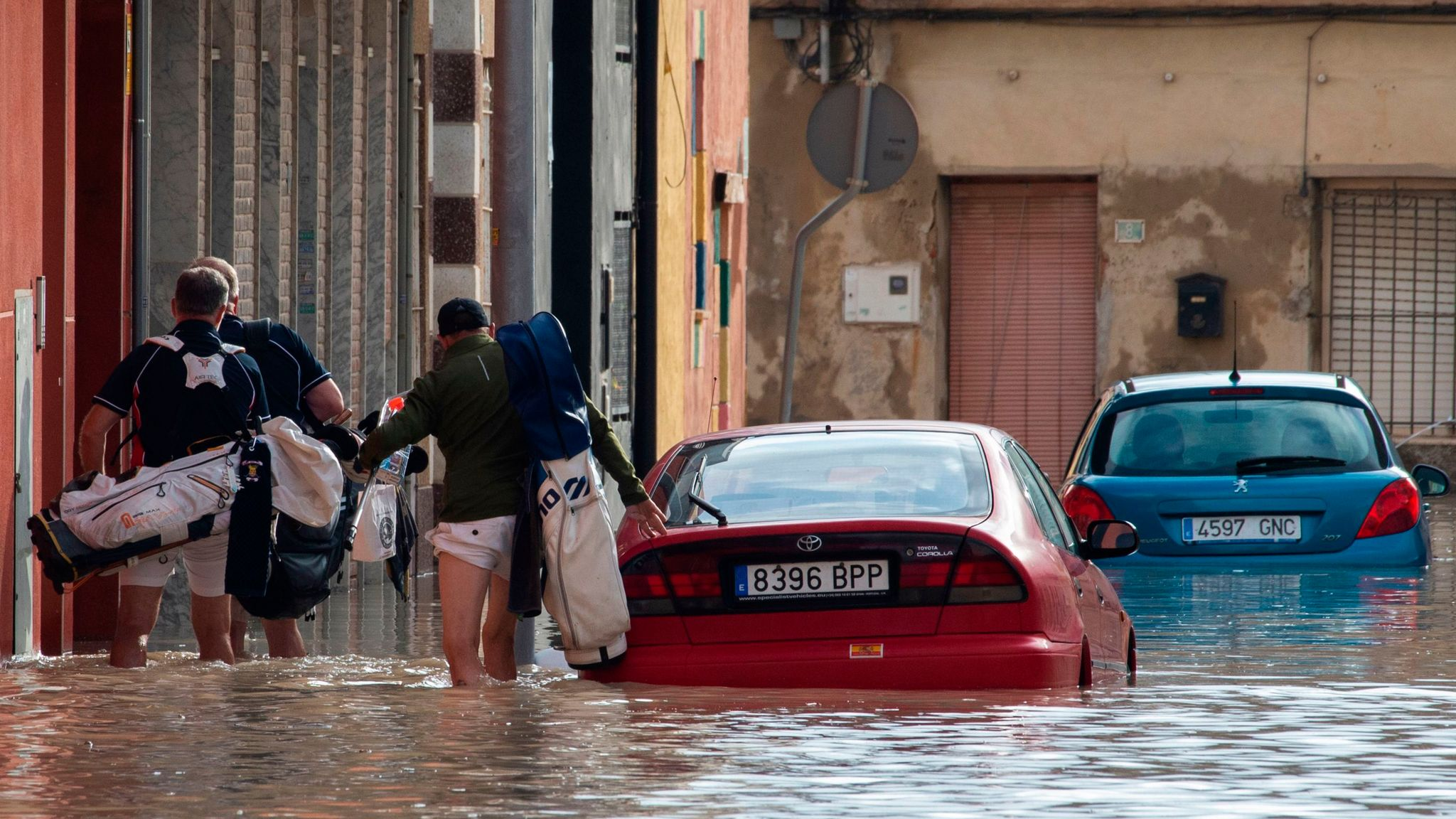
The recent deadly floods in Spain highlighted critical delays in public warnings and long-standing issues with flood defenses. Aitana Puchal, one of the affected residents near Paiporta, received an emergency alert at 8 pm on October 29 from Valencia’s regional government, advising people to shelter due to severe flooding. By then, however, knee-high waters had already forced her and others to take refuge on the first floor of a hotel. Many others faced similar challenges, stranded without sufficient warning as floodwaters quickly inundated homes and streets.

Inhabitants of several flooded towns reported that the alert came too late to act, with streets already submerged. Some institutions, including Valencia University, had issued warnings the day before, advising against travel and suspending activities, while the national weather service had also flagged severe weather risks as early as October 25. However, conflicting messages and delayed alerts hampered effective response, contributing to significant loss of life. The floods, Spain’s deadliest in over fifty years, resulted in more than 220 deaths, with dozens still missing.

Despite early warnings from the national meteorological agency, AEMET, which raised the risk level to red at 7:36 am on October 29, regional alerts lagged. Throughout the day, emergency services exchanged emails and calls but failed to issue a timely shelter-in-place order. By the time floodwaters surged through the Poyo ravine, a usually dry waterway west of Valencia, it had reached three times the flow rate of the Ebro River, Spain’s largest, and had overwhelmed nearby towns.

The lack of adequate flood defenses and public education about flood risks worsened the disaster. Experts criticized long-term governmental delays in implementing flood mitigation measures. Hydraulic engineer Felix Frances from Valencia Polytechnic University had proposed a flood management plan for the Poyo ravine seventeen years earlier, yet the project expired in 2017 without any work being initiated. Only a week after the catastrophe did the government pledge 10.6 billion euros in relief.

Local experts highlighted that many deaths could have been prevented with better infrastructure and community preparedness. Public education efforts in Valencia have largely focused on fire risks, with minimal guidance on flood response. As climate change brings increasingly severe weather to Spain’s Mediterranean coast, the lack of such preparedness is an ongoing concern.

The regional government’s head, Carlos Mazon, who faced criticism for his handling of the disaster, maintained that he was in continuous contact with his team. However, he was seen attending a tourism event and budget meeting during the crisis. Mazon stated that fluctuating water flow reports contributed to delayed action, though public frustration remains high.

As Spain looks to recover, experts like Luis Bañon from the University of Alicante stress the need for proactive flood defenses and public education. The disaster underscores the importance of coordinated and timely disaster management, especially as extreme weather events become more frequent in Europe.