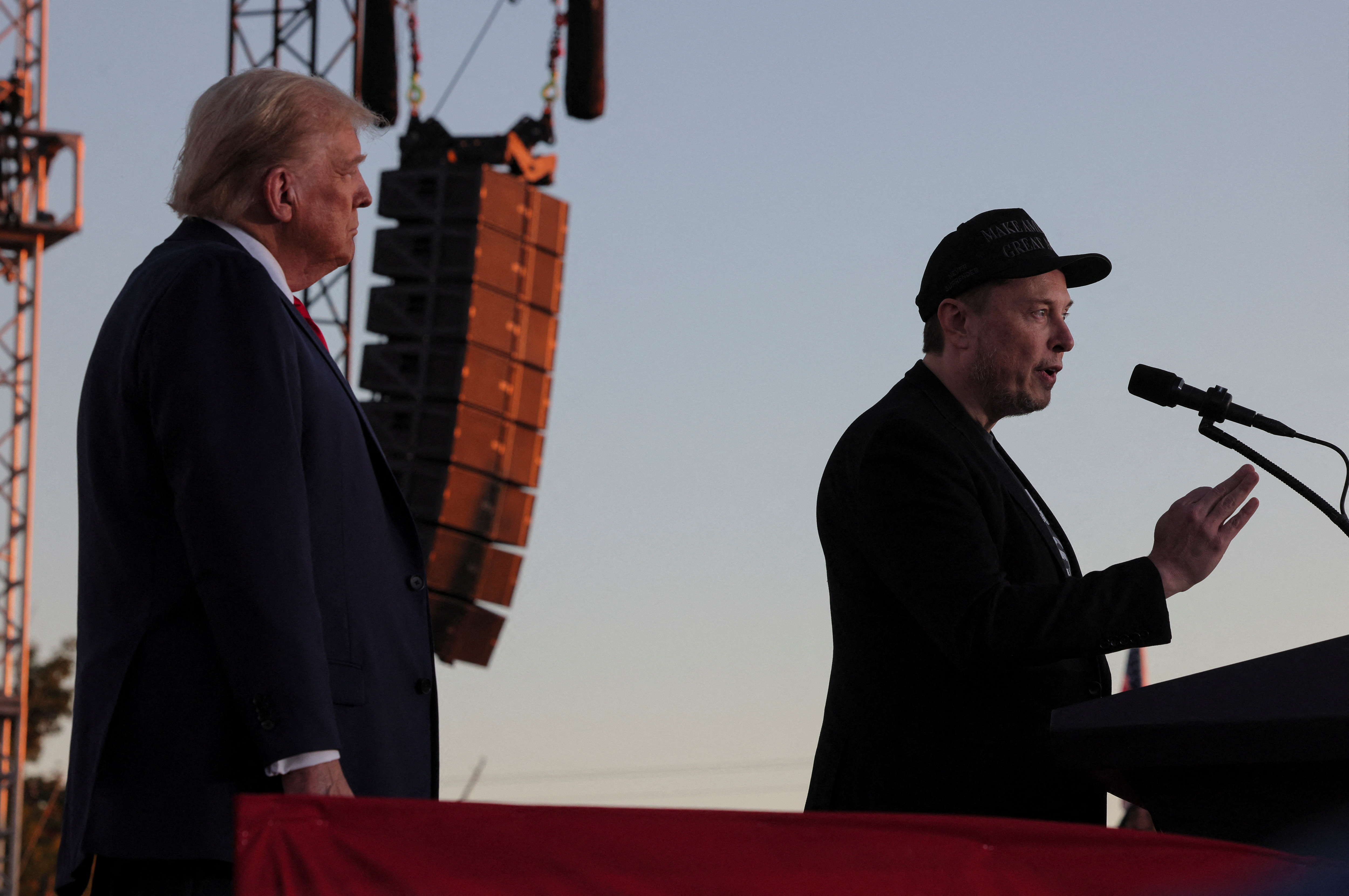
Elon Musk Joins Trump’s Call with Ukraine’s Zelenskiy After Election Win, Reports Say

Reports reveal that when Ukrainian President Volodymyr Zelenskiy called Donald Trump to congratulate him on his recent presidential election victory, Tesla and SpaceX CEO Elon Musk joined the conversation. The call, lasting around 25 minutes on Wednesday, featured Trump expressing his support for Ukraine, though without specific details, while Musk committed to continuing Starlink satellite support, a crucial resource for Ukraine’s defense network, according to Axios.

The conversation unfolded as Zelenskiy praised Starlink’s role in maintaining internet services amid the war. Trump, reportedly at Mar-a-Lago with Musk, introduced the tech mogul to Zelenskiy, according to the Washington Post. Musk’s role in providing satellite communication through his SpaceX-owned Starlink has been vital to Ukraine’s defense operations, although Musk’s statements on the conflict have occasionally strained relations with Kyiv.

In response to the call, Zelenskiy emphasized the importance of ongoing U.S. support, sharing on the platform X (formerly Twitter) that he and Trump agreed to continue discussions. “Strong and unwavering U.S. leadership is vital for the world and for a just peace,” he added, underscoring the necessity of American involvement in Ukraine’s battle against Russian aggression.

Reports also highlighted Musk’s financial support of Trump’s campaign and Trump’s indication of offering Musk a role in promoting government efficiency if elected. Musk has not publicly commented on the call, and the Trump campaign refrained from commenting on private discussions.

 

Investors Weigh Potential Market Impact of a Republican “Red Sweep” After Trump Win

Following Donald Trump’s recent election victory, investors are closely analyzing the potential effects of a “red sweep” scenario—where Republicans secure control of the White House and both chambers of Congress—on financial markets. With Republicans holding a slim lead for the House and many of Trump’s economic policies considered pro-growth, investors are speculating on how such unified government control could shape markets.

If Republicans secure the House, Trump’s policies, including tax cuts and regulatory rollbacks, would likely have an easier path to implementation. Market analysts expect these measures to favor small-cap stocks, boost the dollar, and potentially increase inflation. This anticipation has already pushed small-cap stocks like the Russell 2000 index up by about 8% this week. Although some of these gains have cooled, expectations remain strong for longer-term growth, assuming Republicans gain full control.

Trump’s platform prioritizes slashing federal regulations and preserving the 2017 tax cuts, with additional reductions to corporate and individual taxes under discussion. Goldman Sachs analysts project that a corporate tax cut from 21% to 15% could elevate S&P 500 earnings per share by around 4%. Deutsche Bank analysts also forecast increased growth, adjusting their 2025 U.S. growth estimate from 2.2% to between 2.5% and 2.75% in a red sweep scenario, although they anticipate a dip in 2026 due to potential trade tensions.

The prospect of Republican control could also strengthen the dollar, which recently hit a four-month high. JP Morgan analysts predict that a red sweep could further push the euro down to $1.00-$1.02 compared to its current value, as opposed to a smaller decline with a divided Congress. Historically, stock markets have performed well under unified Republican government control; Evercore ISI research indicates that the S&P 500 has averaged a 9.1% return during periods of single-party control, compared to 6.7% under divided government.

However, some experts caution that legislative changes could face hurdles even with a Republican majority due to narrow margins in both chambers. Paul Nolte, senior wealth advisor at Murphy & Sylvest, suggests that while markets are already pricing in some of Trump’s policies, the final legislative outcome may differ significantly from campaign promises.


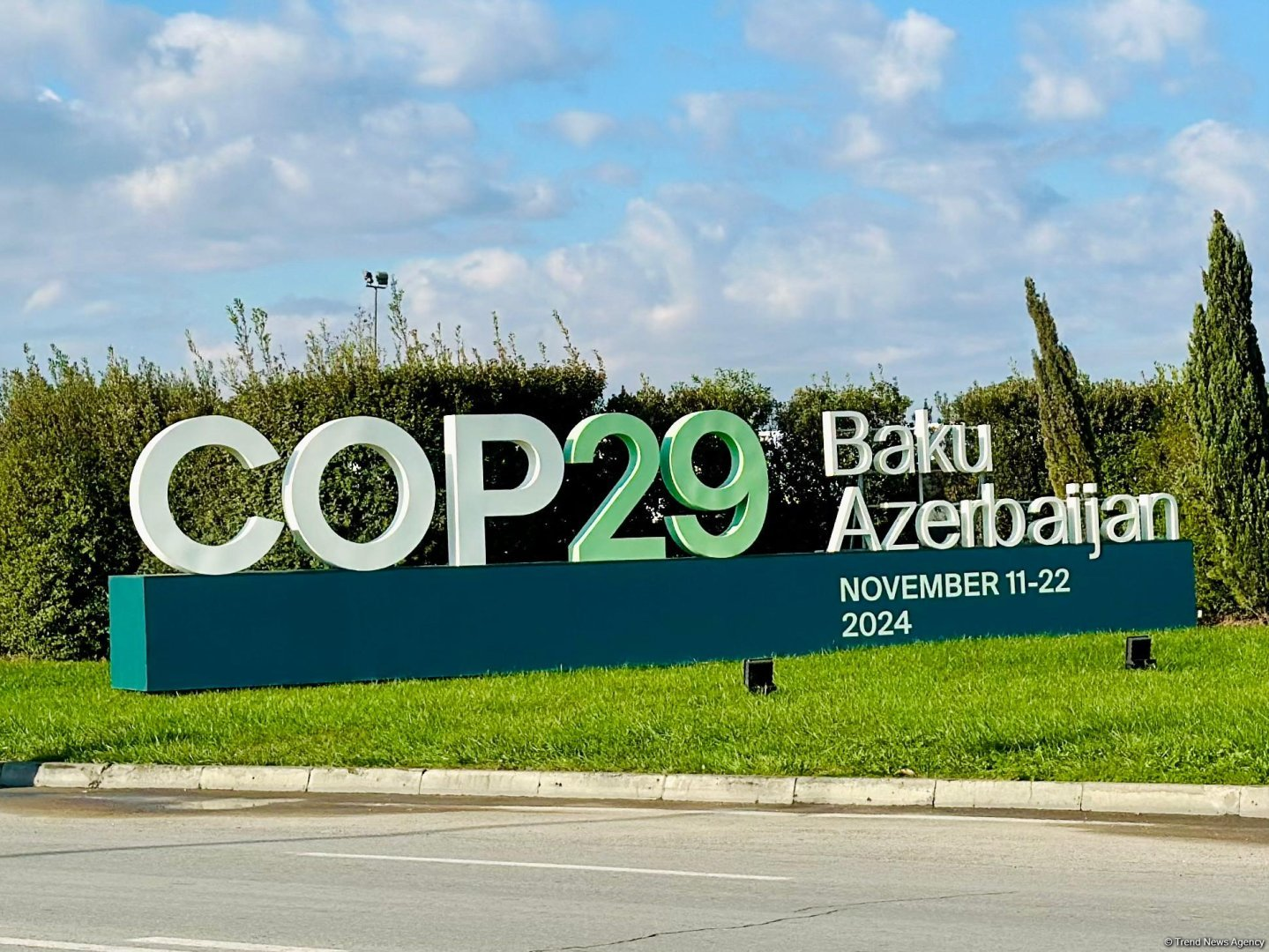
COP29 Chief Executive Caught Promoting Fossil Fuel Deals, Raising Concerns About the Conference’s Integrity

A senior official at the COP29 climate change conference, set to take place in Baku, Azerbaijan, has been caught in a covert video promoting fossil fuel deals while using his position. Elnur Soltanov, the CEO of Azerbaijan’s COP29 team and deputy energy minister, was filmed discussing investment opportunities in the state oil and gas company, Socar, with a man posing as a potential investor. In the recording, Soltanov highlights the country’s many untapped gas fields and the potential for joint ventures, describing natural gas as a “transitional fuel.”

The secret footage raises serious ethical concerns, with critics calling it a betrayal of the COP process. Christiana Figueres, former head of the UN climate change body and architect of the 2015 Paris Agreement, called Soltanov’s actions “contrary and egregious” to COP’s purpose, accusing him of undermining efforts to combat climate change. She described the behavior as a “treason” to the COP process, which is meant to address the world’s reliance on fossil fuels, not facilitate their expansion.

Soltanov, who also sits on the board of Socar, was caught suggesting the fake investor could sponsor COP29 in exchange for discussions about oil and gas investments in Azerbaijan. Despite initially promoting “green transitioning projects,” Soltanov quickly shifted focus to the country’s plans to increase gas production and develop new pipeline infrastructure. He even implied that Socar could open doors for business ventures in the energy sector, including oil and gas, promoting the idea that the doors of Azerbaijan’s energy sector were “open” to anyone with solutions.

The revelation is the latest in a series of controversies surrounding COP hosts. This year marks the second consecutive year that the BBC has reported issues with the host nation’s behavior. Documents and recordings obtained by the human rights group Global Witness reveal the COP29 team discussing a sponsorship deal with a fictitious Hong Kong-based investment firm in exchange for access to the country’s oil and gas business.

The actions of Soltanov and the COP29 team, including offering passes for full access to the summit in exchange for support in energy investments, seem to be in direct violation of the UN’s code of conduct for COP officials. The UN Framework Convention on Climate Change (UNFCCC) enforces these standards to ensure impartiality and prevent conflicts of interest.

Azerbaijan’s COP29 team has not responded to requests for comment on the findings. Meanwhile, Soltanov’s promotion of fossil fuel deals starkly contrasts with the goals of COP29, which seeks to reduce global reliance on fossil fuels and limit the effects of climate change. The incident also follows last year’s revelations about similar attempts at COP28, hosted by the UAE, to strike oil and gas deals, emphasizing the ongoing tension between fossil fuel interests and the global climate agenda.