
Climate Startup Range Energy Pioneers Electrified Trailers to Compete in Big Rig EV Market

In the race to electrify heavy-duty trucks, California-based startup Range Energy is focusing on a unique solution: electrifying the trailer instead of the tractor. While companies like Tesla, Volvo, and Freightliner have launched electric tractor-trailers, this segment remains inefficient, with charging and infrastructure challenges. Big rigs make up only 10% of all vehicles but are responsible for almost 30% of carbon emissions, emphasizing the need for innovation in this space.

Range Energy’s approach involves retrofitting trailers with their own battery and motor systems, designed to reduce the load on the tractor. “By electrifying the trailer itself, we’re tackling the problem from a new angle,” says Range Energy CEO Ali Javidan. The Range system includes a battery, a motor powering one of the trailer’s axles, and a “smart kingpin” that helps the trailer adjust to the tractor’s movements, effectively making it feel “weightless” for the driver.

The electrified trailer is also capable of powering its refrigeration, communication, and security systems—tasks that typically require costly diesel. According to Javidan, a single fleet using Range’s technology could reduce emissions by up to 100 million pounds of CO2 annually and save $50 million in fuel costs.

Northern Refrigerated Transportation, piloting Range’s trailers in California, sees this setup as a promising alternative. Traditional electric tractors pose challenges for the company due to their lengthy charging times, which can delay operations. With Range’s trailers, the units can be charged overnight at loading docks, minimizing downtime and addressing a major barrier to full-fleet electrification.

Despite the advantages, hurdles remain. Northern Refrigerated Transportation notes that scaling up requires addressing infrastructure issues, such as upgrading power access at properties, and weighing the initial costs of the trailers. Range Energy has raised $31.5 million in funding from backers like R7, UP.Partners, Trousdale Ventures, and Yamaha Motor Ventures, which believe in the potential for these electrified trailers to revolutionize the freight industry.

R7 founder Tyler Engh highlights the startup’s potential, emphasizing that electrifying trailers could accelerate adoption of hybrid and electric systems even in diesel fleets. While charging infrastructure is still evolving, Range Energy’s technology allows trucking companies to use the power available at loading docks, enabling a more flexible and cost-effective transition to electrification.
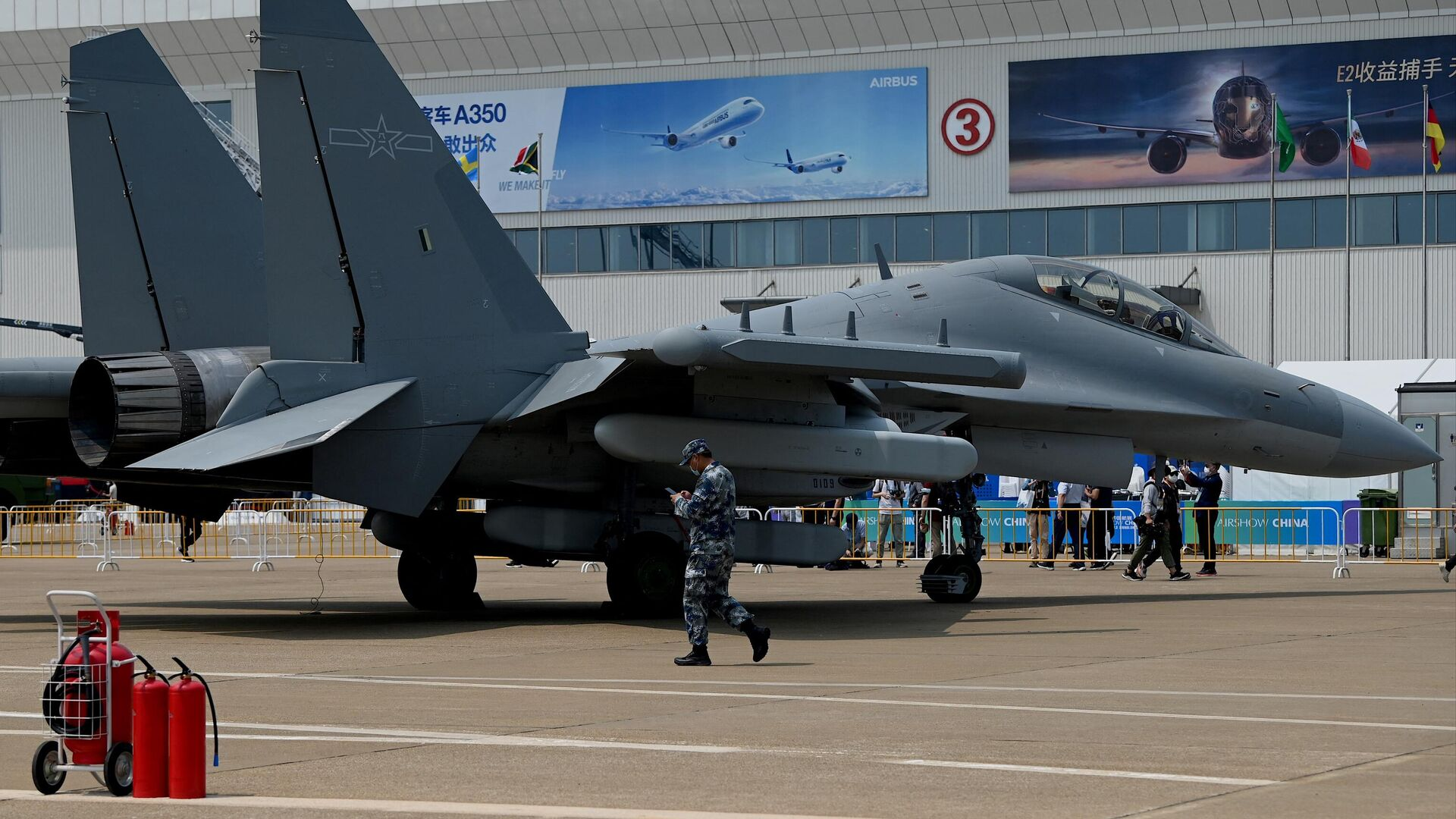

 

Zhuhai Air Show Highlights COMAC Orders, New Spaceplane, and Chinese Aerospace Advances

China’s growing aerospace industry took center stage at the Zhuhai Air Show, where Commercial Aircraft Corporation of China (COMAC) showcased new partnerships and aircraft. Air China emerged as the launch customer for COMAC’s C929, China’s first domestically developed widebody jet. Additionally, COMAC revealed improvements to its ARJ21 regional jet, rebranding it as the C909 for greater brand consistency. Painted white with a blue tail, the C909 boasts enhanced efficiency with reduced weight, noise, and fuel costs, according to COMAC’s air show representatives.

Hainan Airlines confirmed orders for 60 C919 narrowbody jets and 40 C909s, while Colorful Guizhou Airlines signed agreements for 30 C909 aircraft, including 20 firm orders and 10 provisional ones. Although Air China’s exact order volume for the C929 has yet to be disclosed, this endorsement signals the expansion of China’s domestic aerospace ambitions.

The air show also saw state-owned AVIC display a model of China’s first commercial uncrewed spaceplane, designed to carry cargo to the Chinese space station. AVIC received a contract from the China Manned Space Agency for engineering and flight validation of this spaceplane, which is aimed at delivering low-cost, reusable cargo solutions for space.

Overhead, China’s Bayi aerobatic team performed, featuring J-20 stealth jets and debuting the new J-35A stealth fighter to the public. On the ground, a Z-20 helicopter, modified for anti-submarine operations, showcased the People’s Liberation Army Navy’s capabilities in extended-range maritime security.

Airbus, present at the show, voiced its commitment to competing in the Chinese market. CEO George Xu said Airbus remains focused on collaboration with Chinese partners despite emerging EU-China trade tensions, noting that Chinese certification of Airbus’s A330neo is progressing and could result in a 2025 delivery.

The Zhuhai Air Show will continue through November 17, highlighting China’s strides in aerospace innovation and the growing impact of its commercial and defense aviation sectors.


Trump’s Day-One Immigration Plans: Deportations, Border Wall, and Ending Biden’s Programs

Former President Donald Trump is preparing a series of executive actions on his first day back in office aimed at intensifying immigration enforcement and undoing key immigration programs from President Biden’s term. According to insiders, this aggressive strategy will be led by newly appointed “border czar” Tom Homan, a seasoned immigration official, and other prominent Republican figures known for their strict stances on immigration.

Key measures include expanded powers for federal immigration officers to detain individuals without criminal records, deploying troops to the U.S.-Mexico border, and resuming border wall construction. Trump also intends to eliminate Biden’s humanitarian programs, which allowed numerous migrants to enter the U.S. legally and access work permits, signaling a stricter stance on both legal and unauthorized immigration.

Trump’s early actions are expected to reverse Biden’s policy prioritizing deportations for individuals with serious criminal records. His planned executive orders will broaden deportation targets, focusing on people with exhausted legal options as well as potential security risks, including individuals violating visa conditions. In response, Trump may employ military aircraft and other federal resources to facilitate deportations.

The former president also plans to declare illegal immigration a national emergency, unlocking funds for prioritized wall construction in areas like Arizona, where immigration enforcement policies have faced state opposition. Additionally, discussions may reopen with Mexico to reinstate the “Remain in Mexico” policy, requiring asylum seekers to wait in Mexico for U.S. case decisions.

Trump’s proposals will likely face significant legal challenges from Democratic-led states and advocacy groups, but the incoming administration aims to make immigration a top priority by Day One, building on campaign promises to significantly reduce unauthorized entries and address immigration enforcement with a more hands-on, whole-of-government approach.