Lithuania’s Opposition Social Democrats Lead in Parliamentary Election, Set to Address Economic and Security Issues

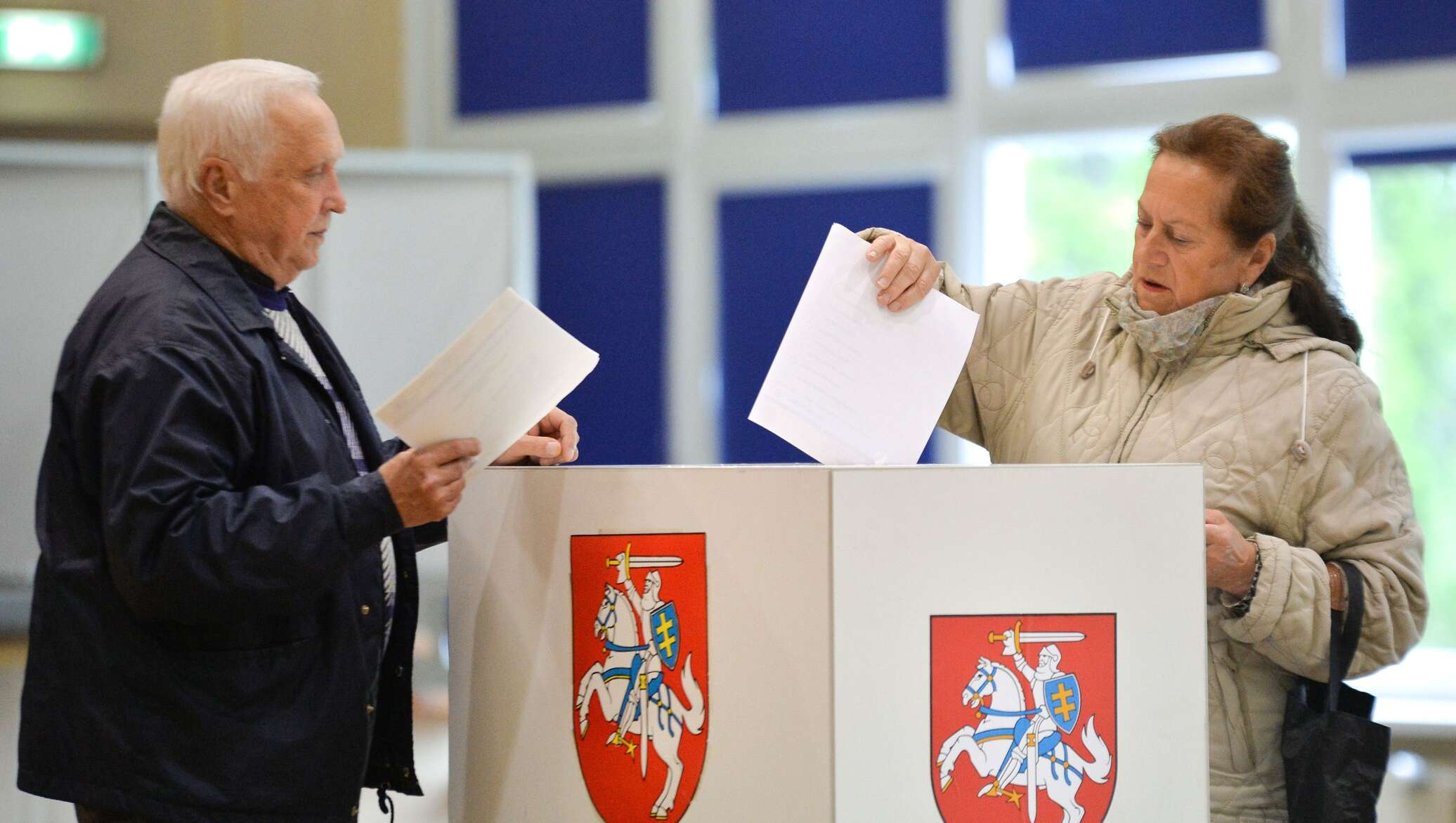
The opposition Social Democratic (SD) party has taken a commanding lead in Lithuania’s parliamentary election’s second round, driven by voter concerns over the cost of living and regional security. Preliminary government data shows the center-left Social Democrats securing 33 seats with 64% of votes counted, building on their 20-seat lead from the first round, and placing them ahead of the ruling Homeland Union Party, which has won 6 additional constituencies alongside 18 seats from the first round.

Lithuania’s hybrid voting system combines popular votes with district-based run-offs, favoring larger parties in the 141-member parliament. If the Social Democrats form a government, they are expected to maintain Lithuania’s assertive stance against Russia, alongside sustained defense spending. Lithuania currently allocates 3% of its GDP to defense, ranking as NATO’s sixth-highest contributor by percentage.

Prime Minister Ingrida Simonyte’s center-right coalition has faced declining popularity due to persistent inflation, degraded public services, and increasing income inequality. The SD, led by Vilija Blinkeviciute, is already negotiating a majority coalition with two other parties, For Lithuania and the Farmers and Greens Union. During the run-offs, the SD allied with opposition parties to support candidates challenging Homeland Union nominees.

The Social Democrats’ campaign has prioritized reducing inequality, proposing higher taxes on wealthy citizens to bolster healthcare and social support. Meanwhile, security remains crucial for Lithuania, a NATO member bordering Russia’s Kaliningrad and Belarus, as many citizens fear potential Russian aggression. A recent survey revealed that 75% of Lithuanians believe an attack from Russia is likely in the near future, underscoring the national importance of stability amid regional unrest.

Full election results are anticipated around midnight (22:00 GMT).
 

Bulgaria’s GERB Party Leads Election, Prepares for Coalition Talks

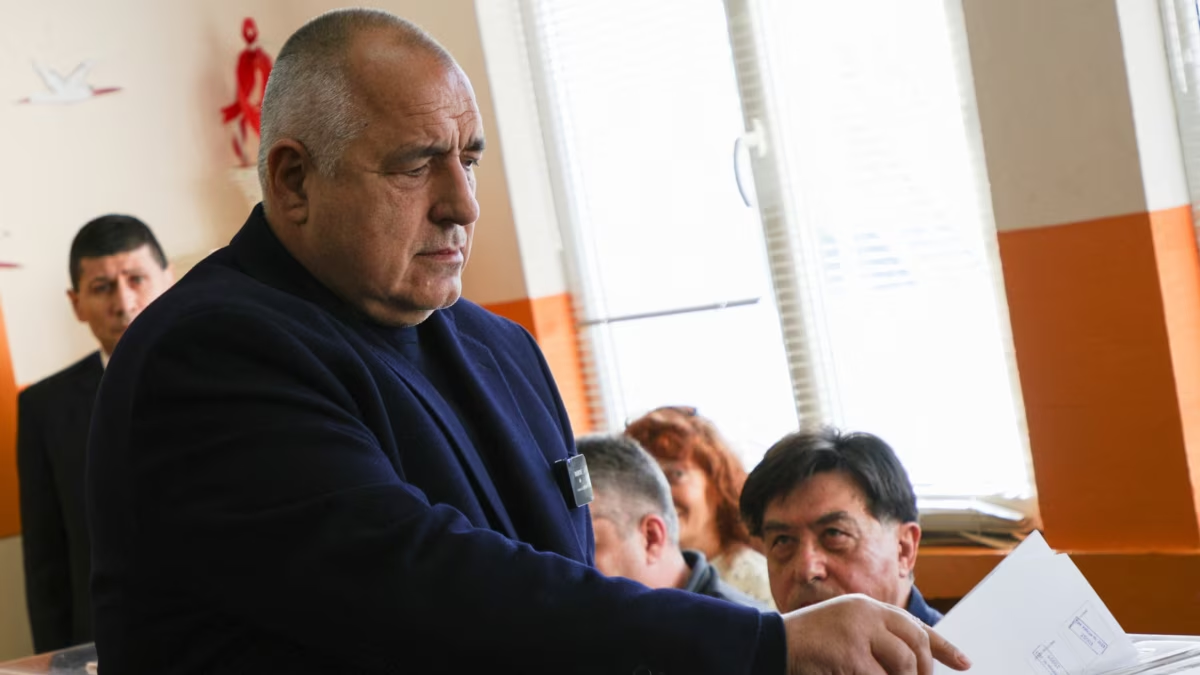
ulgaria’s center-right GERB party emerged as the frontrunner in Sunday’s parliamentary election, securing 26.4% of votes according to an Alpha Research exit poll. To establish a functioning government, GERB, led by Boyko Borissov, will need a coalition partner. Reformist party We Continue the Change (PP) followed with 14.9%, and the ultra-nationalist Revival party took third place with 12.9%.

This election marks Bulgaria’s seventh in just four years, triggered by a breakdown in coalition negotiations after the June 9 election. Borissov, thanking supporters, pledged to form a new government but ruled out working with Revival. GERB is projected to take 74 seats in the 240-seat parliament, while PP and Revival would secure 42 and 36 seats, respectively.

Former Prime Minister and PP member Nikolai Denkov emphasized the need for GERB to present a viable government proposal, highlighting the demand for stable governance to facilitate EU funding and Bulgaria’s bid to join the eurozone, slated for January 2025 but previously delayed due to inflation issues.

Amid ongoing political instability, some voters expressed concern over Bulgaria’s future. “What was expected, happened more or less … I think we are going to have more elections,” commented 60-year-old Vassil Vasilev.

Preliminary results from the state election commission are anticipated by 11 p.m. local time (2100 GMT).

Japan’s Ruling Coalition Loses Majority in National Election, Future Government Composition Uncertain

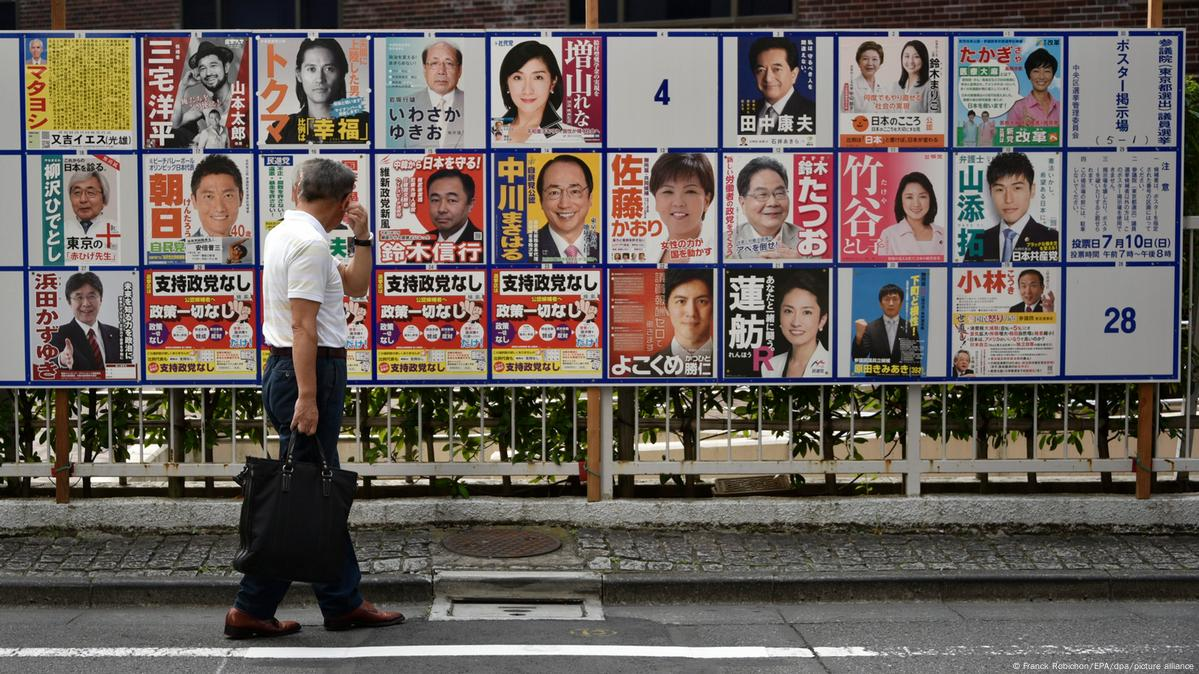
Japan’s ruling coalition suffered a significant loss in the recent national election, failing to secure a parliamentary majority and sparking questions over the future of the world’s fourth-largest economy. Prime Minister Shigeru Ishiba’s Liberal Democratic Party (LDP), which has dominated Japan’s post-war political scene, and its coalition partner Komeito, collectively won 209 of the 465 seats, a sharp decline from their previous total of 279, according to NHK reports. This result marks the coalition’s most severe setback since 2009 when they briefly ceded power.

Addressing the defeat, a solemn Ishiba acknowledged the election’s challenges, while Komeito’s newly appointed leader Keiichi Ishii lost his own district seat. The primary opposition, the Constitutional Democratic Party of Japan (CDPJ), capitalized on public dissatisfaction, capturing 143 seats compared to 98 in the previous term. Voter frustration stemmed from a funding scandal and ongoing inflation, fueling a stronger opposition presence and complicating Ishiba’s pathway to solidifying his government.

The outcome may necessitate contentious coalition-building, introducing potential instability as Japan contends with economic challenges and rising tensions in East Asia. CDPJ leader Yoshihiko Noda expressed optimism, calling this “not the end, but the beginning” and signaling potential collaborations with other opposition groups to seek a change in government. Ishiba, meanwhile, indicated he would consider coalition options once all votes are counted.

This election occurred shortly after Ishiba assumed the LDP leadership, seeking a mandate to support his premiership. His predecessor, Fumio Kishida, resigned amid decreasing approval driven by rising living costs and unrecorded political donations scandals. The timing also coincided with an impending U.S. election, with analysts suggesting the Japanese markets, including the yen and government bond yields, are likely to face volatility due to this heightened uncertainty.

“The voters’ verdict on the ruling coalition was harsher than anticipated,” observed Mizuho Research and Technologies’ Saisuke Sakai, expecting an immediate market reaction, particularly a sell-off among foreign investors.

Smaller parties like the Democratic Party for the People (DPP) and the Japan Innovation Party could now play critical roles in forming a viable government. The DPP has secured 27 seats, and the Innovation Party has 35 seats, though both diverge from the LDP’s policies. DPP chief Yuichiro Tamaki has indicated a cautious openness to cooperation, but Innovation Party leader Nobuyuki Baba has rejected any alliance with the LDP. Key policy differences include the DPP’s proposal to cut Japan’s sales tax until wages increase and the Innovation Party’s push for tighter political donation regulations.

The fractured political environment could pose challenges for the Bank of Japan (BOJ) as it balances maintaining low-interest rates against pressures to support the yen. With opposition parties divided on monetary policy, pursuing economic goals, such as defense tax funding, could become more challenging without a strong governing coalition.