
Georgian President Calls for Protests Against Disputed Election Victory of Ruling Party

In a move that could heighten political tensions, Georgian President Salome Zourabichvili called on citizens to protest the outcome of Saturday’s parliamentary elections, which officially granted a narrow win to the ruling Georgian Dream party. According to the electoral commission, Georgian Dream received nearly 54% of the vote, securing a fourth term with 89 parliamentary seats, despite claims from opposition parties and international observers of irregularities and potential fraud.

Zourabichvili, previously aligned with Georgian Dream but now a vocal critic, condemned the results, calling the election process a “Russian special operation” and asserting that the vote had been compromised, though she did not confirm direct Russian involvement. “It was a total fraud, a total taking away of your votes,” she stated to reporters. She urged Georgians to assemble in Tbilisi’s city center on Monday to publicly denounce the election and demand a fair investigation.

Despite widespread criticism, Prime Minister Irakli Kobakhidze defended the election’s integrity, arguing that international monitors’ statements did not challenge the legitimacy of the result. However, observers from the Organization for Security and Cooperation in Europe (OSCE) and other monitoring bodies reported issues such as ballot-stuffing, voter intimidation, and bribery, factors they noted could have impacted the outcome. European leaders, including European Council President Charles Michel, called for a thorough investigation into the alleged violations, emphasizing Georgia’s need to demonstrate its commitment to EU values if it hopes to progress on its stalled EU membership application.

Opposition leaders reacted strongly to the results, with many pledging to boycott parliament and calling on their supporters to protest. Nika Gvaramia, leader of the Coalition for Change, labeled the election a “constitutional coup” and accused Georgian Dream of orchestrating a “usurpation of power.” Tina Bokuchava of the United National Movement also condemned the outcome, accusing Georgian Dream of “stealing” the election. Polls taken at exit points reportedly showed the opposition leading, intensifying skepticism over the official results.

Bidzina Ivanishvili, the billionaire founder of Georgian Dream and its reclusive former leader, celebrated the party’s victory, stating that Georgian Dream’s policies had been vindicated by voters. His party campaigned on a platform of neutrality in the ongoing Ukraine conflict, a stance that has drawn both support and criticism. Although Georgian Dream officially supports EU membership, it has pursued policies, including a “foreign agents” law and limitations on LGBTQ+ rights, that have strained its relationship with the EU.

The Georgian election comes at a time of increased tension in the region, with Russia actively seeking to expand its influence in former Soviet territories. Some EU leaders have voiced concern about Georgia’s trajectory, questioning its commitment to democratic principles. In neighboring Moldova, for example, recent pro-EU election results were reportedly marred by Russian interference, underscoring the region’s volatility.

Hungarian Prime Minister Viktor Orbán, a long-time ally of Ivanishvili and an EU leader with close ties to Georgia, is expected to visit Tbilisi on Monday, underscoring the international significance of Georgia’s current political landscape. For Georgia, the election results could have far-reaching implications, especially as the country remains divided between pursuing closer EU ties or strengthening relations with Russia.
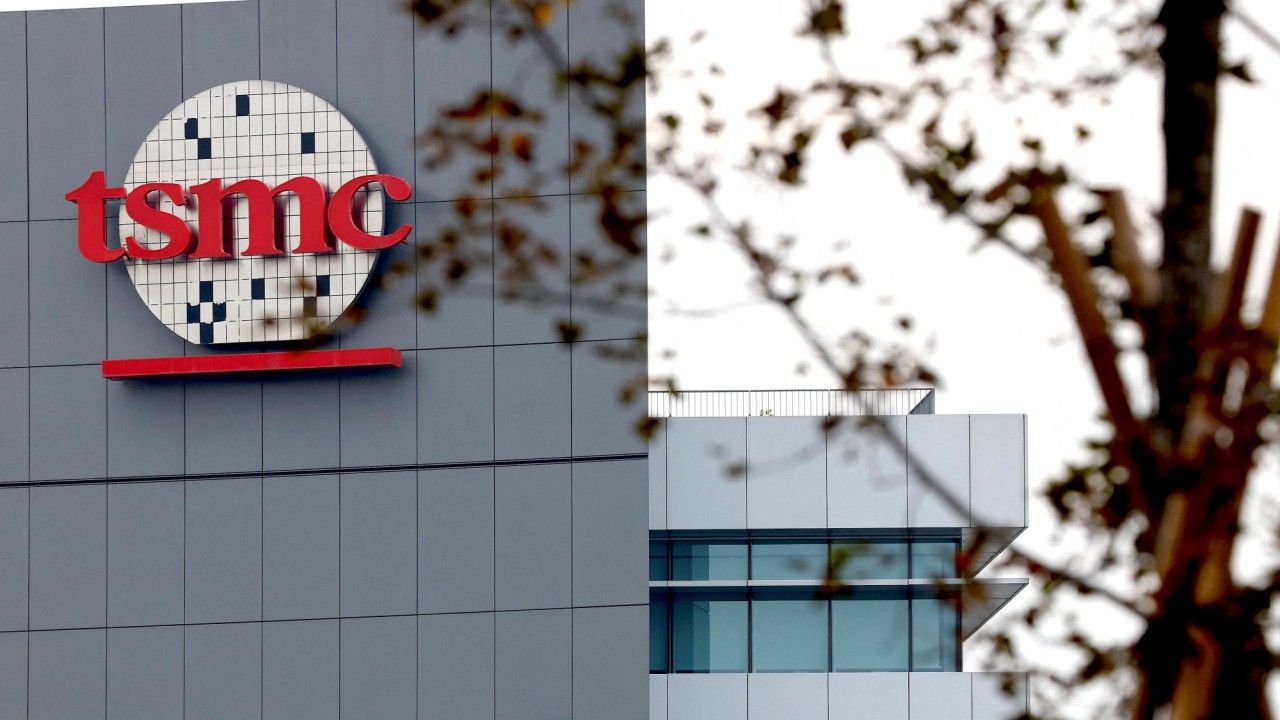

TSMC Set to Expand Chip Manufacturing with New Plants in Europe, According to Taiwanese Official

Taiwan Semiconductor Manufacturing Co. (TSMC) is gearing up to expand its manufacturing capabilities in Europe, particularly targeting the burgeoning market for Artificial Intelligence (AI) chips. This strategic move comes as TSMC seeks to broaden its global footprint amid rising demand for advanced semiconductor technologies. A senior official from Taiwan has confirmed these plans, underscoring the importance of the European market in TSMC’s future growth strategy.

In an interview with Bloomberg TV, Wu Cheng-wen, Taiwan’s Minister of the National Science and Technology Council, disclosed that TSMC has already initiated construction of its first semiconductor fabrication plant (fab) in Dresden, Germany. He noted that the company is actively planning additional fabs for various market sectors beyond just AI, indicating a comprehensive approach to meet diverse industry needs. This expansion aligns with Europe’s ambitions to bolster its semiconductor manufacturing capabilities, reducing dependency on external suppliers.

While Wu provided insights into TSMC’s plans, he did not specify a timeline for the further expansion of the company’s facilities in Europe. This lack of a concrete schedule leaves questions about when these additional fabs will come online. In response to inquiries regarding its future plans, TSMC issued a statement indicating that it remains focused on its current global expansion projects. The company emphasized that, at this time, there are no new investment plans announced beyond what is already underway.

The expansion into Europe reflects a broader trend in the semiconductor industry as companies aim to enhance local production capabilities in response to global supply chain disruptions and increasing demand for chips. As the AI market continues to grow, TSMC’s strategic investments in European manufacturing are expected to position the company favorably to cater to the evolving technological landscape. This move not only strengthens TSMC’s competitive edge but also supports Europe’s goals of establishing a more resilient and self-sufficient semiconductor supply chain.

Google Seeks to Pause US Judge’s Ruling on App Store Regulations

Google has requested a federal judge in California to put a hold on a significant court order mandating the company to allow increased competition in its Play Store. This appeal follows a ruling from U.S. District Judge James Donato, which is set to take effect on November 1. In its filing, Google argues that the injunction could have detrimental effects on its business operations and raise “serious safety, security, and privacy risks” within the Android ecosystem.

The tech giant, a subsidiary of Alphabet Inc., contends that the changes required by the ruling would disrupt the current framework of the Play Store, which has been carefully designed to ensure the safety and integrity of its applications. Google emphasizes that the transition to a more open app store could inadvertently expose users to malicious software and compromise their personal data. The company believes that the existing structure effectively balances innovation and user security, and any sudden alterations could undermine that balance.

In its court filing, Google has also indicated that it plans to appeal Judge Donato’s ruling, expressing confidence in its case. The tech giant asserts that allowing the order to proceed without a stay would inflict irreparable harm on its operations and user trust. Google is urging the court to reconsider the implications of the order not just for the company but also for the broader Android community, arguing that the potential risks could far outweigh the intended benefits of increased competition.

As the legal battle unfolds, the outcome of this appeal could significantly impact the landscape of app distribution and competition in the tech industry. If upheld, the ruling may pave the way for alternative app stores and new distribution models, fundamentally altering how apps are delivered to users. Google’s efforts to pause the ruling reflect its determination to protect its business interests while navigating the complexities of competition law and regulatory scrutiny in a rapidly evolving digital marketplace.