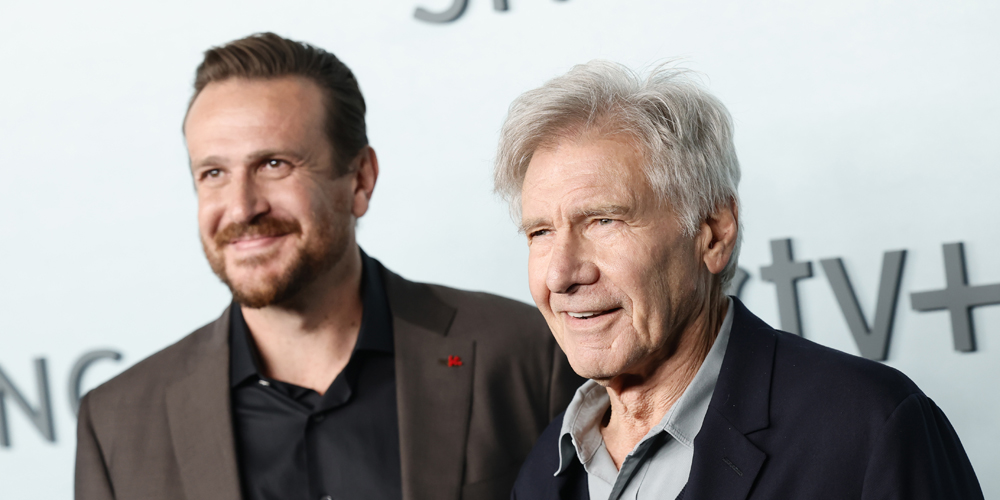
Apple TV+ Earns Emmy Spotlight With Bold Creative Bets

Nearly six years after launching Apple TV+, Apple has cemented its place in Hollywood with 81 Emmy nominations across 14 titles in 2024 — its strongest showing yet. Flagship series like sci-fi drama “Severance” and comedy “The Studio” are frontrunners for top awards, reflecting the iPhone maker’s growing influence in the entertainment industry.

Creative Freedom as a Draw

Apple has distinguished itself by taking risks on unconventional stories and granting unusual latitude to creators. Actor Seth Rogen recalled being surprised Apple allowed controversial scenes in Platonic: “They were not as corporate overlord-y as maybe I was worried they were going to be.”

That willingness has attracted A-list talent:

  • Ben Stiller brought Severance to Apple after other studios passed, praising Apple’s openness to its mind-bending premise.

  • Jason Segel credited executives for backing Shrinking, despite its risky mix of comedy and drug use.

  • Jessica Chastain praised Apple’s notes on The Savant as “specific and moving the story forward.” She now has two more projects with the streamer.

  • Vince Gilligan, creator of Breaking Bad, chose Apple for his new sci-fi series Pluribus, citing both creative trust and his past ties to executives Jamie Erlicht and Zack Van Amburg.

Growing Investment

Apple TV+ launched in 2019 with a slim slate, initially criticized for lacking a back catalog. But patient expansion has paid off:

  • $4.9 billion spent on original programming in 2024, up from $660 million in 2019 (Ampere Analysis).

  • About 60 million subscribers, according to Deepwater Asset Management’s Gene Munster.

  • Apple TV+ broke through in 2021 when Ted Lasso won the Emmy for Best Comedy.

While smaller than Netflix ($17B annual spend, 300M+ subscribers), Apple TV+ has carved a niche as a prestige platform.

Movies Bolster Brand

Apple’s TV gains follow film successes. Its original Coda won the 2022 Best Picture Oscar, and Jerry Bruckheimer’s “F1: The Movie”, filmed at real Formula 1 races, became a summer box-office hit. “They realized that accuracy was the best way to present this movie as something from Apple,” Bruckheimer said.

Hollywood’s New Power Player

Talent agency co-founder Rick Rosen said Apple has “built a very high-quality slate that’s gotten people’s attention.” With Emmy front-runners and Oscar wins, Apple’s Hollywood gamble is paying off — not just in awards, but in reputation.
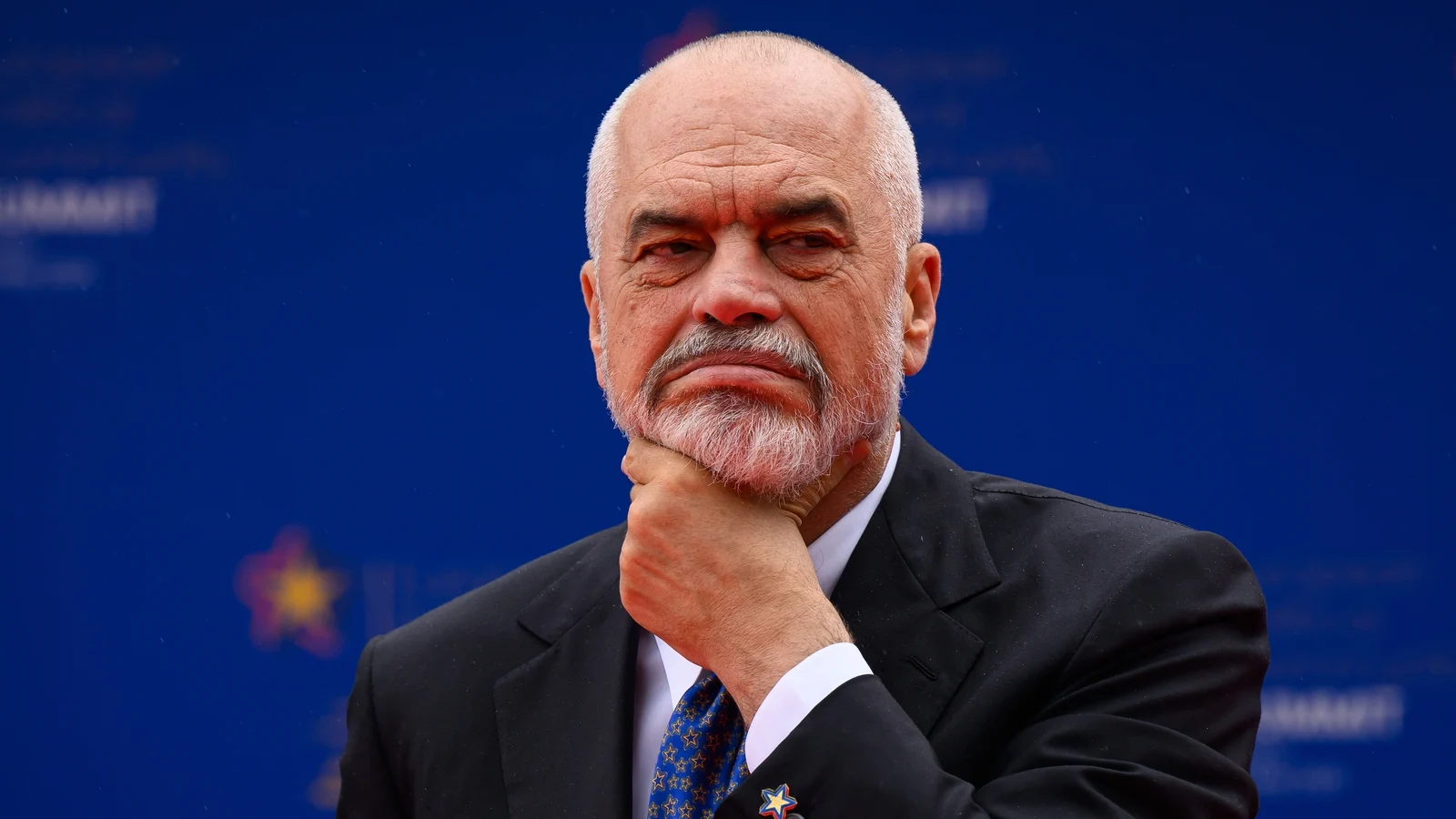
Albania Appoints AI Bot “Diella” as Minister to Oversee Public Procurement

Albania has broken political ground by appointing an AI-generated bot named Diella as its new minister of public procurement, tasked with awarding and managing government tenders.

Prime Minister Edi Rama, beginning his fourth term, introduced Diella on Thursday, describing her as the first cabinet member to exist only virtually. “Diella will make Albania a country where public tenders are 100% free of corruption,” he said.

Public procurement has long been one of Albania’s most corruption-prone areas, tied to scandals involving money laundering by organized crime networks. Experts say graft within state contracts has also slowed Albania’s EU accession ambitions, which Rama hopes to achieve by 2030.

Who is Diella?

  • The name means “sun” in Albanian.

  • She debuted earlier this year as a virtual assistant on the e-Albania platform, helping citizens and businesses access official documents.

  • Diella appears dressed in traditional Albanian attire, provides support via voice commands, and can issue documents with electronic stamps, reducing bureaucratic bottlenecks.

Skepticism and Risks

While Rama hailed Diella’s incorruptibility, critics have raised questions about:

  • The extent of human oversight, which the government has not clarified.

  • The potential for AI manipulation or hacking, which could undermine the anti-corruption mission.

  • Public skepticism — one social media user quipped, “Even Diella will be corrupted in Albania.”

Political Context

The new parliament, elected in May, is set to convene on Friday, though it remains uncertain if Rama’s government lineup will be formally approved immediately.

If implemented effectively, Diella could mark a world-first experiment in AI-led governance. But whether an algorithm can untangle entrenched corruption in Albania remains an open question.

Senator Ted Cruz Proposes AI ‘Sandbox’ to Ease Federal Regulations

U.S. Senator Ted Cruz on Wednesday introduced a bill that would create a regulatory “AI sandbox” allowing artificial intelligence companies to apply for temporary exemptions from certain federal rules while developing new technologies.

Cruz, who chairs the Senate Commerce Committee, described the proposal as a way to help U.S. firms stay competitive with China by lowering regulatory barriers. “A regulatory sandbox is not a free pass. People creating or using AI still have to follow the same laws as everyone else,” Cruz said during a subcommittee hearing.

Key Details

  • The bill would let federal agencies grant two-year exemptions to companies that apply, provided they outline safety and financial risks and how they would mitigate them.

  • The Office of Science and Technology Policy (OSTP) would be given authority to override agency denials of waivers.

  • The sandbox would apply only at the federal level — Cruz’s proposal does not preempt state-level AI regulations, despite pressure from the tech industry.

Industry Push and Opposition

Major AI developers including OpenAI, Google, and Meta have urged the Trump administration to reduce regulatory barriers. The White House OSTP has also begun seeking public input on which regulations hinder AI growth.

Consumer advocacy group Public Citizen sharply criticized Cruz’s bill, arguing it “treats Americans as test subjects” and warning against OSTP’s ability to override regulators. “The sob stories of AI companies being ‘held back’ by regulation are simply not true,” said J.B. Branch, the group’s Big Tech accountability advocate, pointing to record-high valuations of AI firms.

State-Level Rules

While Cruz’s bill avoids limiting state laws, AI regulation is already expanding at the state level:

  • California bans unauthorized political deepfakes and requires patient disclosure when AI is used in healthcare.

  • Colorado passed a law to curb AI discrimination in hiring, housing, banking, and other areas — its enforcement was pushed to mid-2026 after lobbying by the tech sector.

  • Several states have criminalized AI-generated explicit imagery without consent.

OSTP director Michael Kratsios told the committee that such state measures risk stifling innovation, suggesting Congress revisit preemption in the future.

The proposal is likely to fuel debate between those who see regulation as a barrier to U.S. innovation and those who warn of the risks of treating AI experimentation as a public trial.