
Pattern Targets $2.6 Billion Valuation in Upcoming U.S. IPO

E-commerce accelerator Pattern announced Wednesday it is seeking a valuation of up to $2.64 billion in its planned U.S. initial public offering, underscoring renewed investor appetite for IPOs after recent market volatility.

IPO Details

  • Shares offered: 21.4 million by Pattern and existing shareholders.

  • Price range: $13 to $15 per share.

  • Capital raised: Up to $321 million if priced at the top.

  • Ticker:PTRN” on Nasdaq.

Company Background

  • Founded in 2013 by David Wright and Melanie Alder (initially as iServe).

  • Acts as an e-commerce accelerator, helping brands scale on platforms including:

    • Amazon, Walmart, Target, eBay, TikTok Shop, Mercado Libre.

  • More than 90% of 2024 revenue came from Amazon product sales, making it one of the top global Amazon resellers.

  • Previously raised $225 million in 2021 at a $2 billion valuation, led by Knox Lane.

Market Context

  • The IPO market is rebounding, with successful debuts from Figma and Circle boosting confidence.

  • Global e-commerce revenue is projected to hit $8.3 trillion in 2025, with 4 billion users by 2030 (Statista).

  • Pattern’s growth strategy rides the wave of digital commerce acceleration and the shift toward online marketplaces.

China Launches Three-Month Crackdown on False Auto Marketing

China’s industry ministry announced Wednesday a three-month campaign targeting false marketing and online misconduct in the automotive sector. The move comes as regulators tighten oversight following a prolonged price war that has strained carmakers, suppliers, and dealers in the world’s largest auto market.

Key Measures

  • False & Misleading Marketing: Authorities will curb exaggerated or deceptive claims about vehicles.

  • Troll Manipulation: Campaign will target organized online efforts to smear rivals for profit.

  • Automaker & Platform Oversight: Companies and digital platforms must implement corrective measures to ensure compliance.

Industry Context

  • Price War Fallout: Beijing tightened rules in May to limit aggressive discounting, which has disrupted margins across the auto supply chain.

  • EV Slowdown: Electric and hybrid vehicle sales grew at the slowest pace in 18 months last month, highlighting the risks of oversaturation and competition.

  • Regulatory Focus: The ministry emphasized curbing “negative topics” spread online with profit motives, signaling tougher scrutiny of both automakers and digital ecosystems.

Implications

This campaign is expected to reshape auto sector marketing practices in China, with regulators seeking to stabilize competition, protect consumers, and prevent reputational manipulation in the rapidly evolving EV market.

Trump EPA Proposes Faster Permitting to Speed AI Infrastructure Buildout

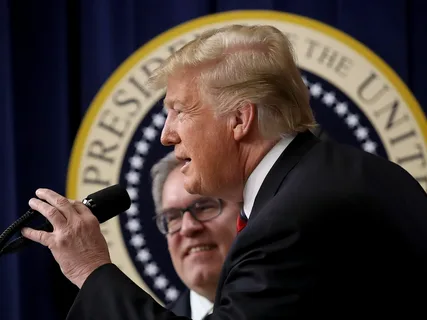
The Environmental Protection Agency (EPA) under President Donald Trump unveiled a proposal on Tuesday to accelerate permitting for AI-related infrastructure, allowing companies to begin construction of certain facilities before receiving Clean Air Act air permits.

Key elements of the proposal

  • Early construction allowance: Firms could start building parts of projects not directly tied to emissions before permits are finalized.

  • Target facilities: Power plants, manufacturing hubs, and data center infrastructure.

  • Objective: Reduce permitting delays that have long been cited as barriers to large-scale projects.

EPA Administrator Lee Zeldin said:

“For years, Clean Air Act permitting has been an obstacle to innovation and growth. We are continuing to fix this broken system.”

Context

  • The proposal follows the EPA’s “Powering the Great American Comeback” initiative launched six months ago, prioritizing power generation for AI-driven data centers.

  • The U.S. and China remain locked in a tech arms race, with AI development central to both economic and national security ambitions.

  • Rapid AI adoption is fueling surging demand for power, putting pressure on utilities and grids nationwide.

Regulatory background

  • Under the New Source Review program, companies cannot normally begin construction of major facilities before securing air permits.

  • The Trump administration is pushing a deregulatory agenda, including repeals of scientific and legal bases for greenhouse gas regulation — a move widely criticized by environmentalists.

Implications

  • Supporters argue the change will fast-track AI infrastructure, critical for U.S. competitiveness.

  • Critics warn it could weaken environmental safeguards and increase pollution risks while AI-related energy demand skyrockets.