
Sweden Introduces World’s First AI Music Licence to Protect Songwriters

Sweden’s music rights organisation STIM has launched a new licence that allows AI companies to legally train on copyrighted songs while ensuring that songwriters, composers, and publishers receive royalties. The move addresses growing disputes between creators and tech firms over the unauthorized use of copyrighted works in AI training.

STIM, which represents over 100,000 music creators, said the licence is designed to strike a balance between technological innovation and fair compensation.

How the licence works

  • AI firms can train their systems on copyrighted songs under the licence.

  • Creators receive royalties for the use of their works.

  • The licence includes mandatory tracking technology to monitor AI-generated outputs and ensure transparent payments.

Why it matters

  • The International Confederation of Societies of Authors and Composers (CISAC) warns that generative AI could reduce music creators’ income by up to 24% by 2028.

  • CISAC also projects that AI-generated music outputs could reach $17 billion annually by 2028, underscoring the economic stakes.

  • STIM’s acting CEO Lina Heyman said:

    “We show that it is possible to embrace disruption without undermining human creativity. This is not just a commercial initiative but a blueprint for fair compensation and legal certainty for AI firms.”

First adopter: Songfox

Stockholm-based startup Songfox is the first to operate under the new licence. The company allows users to create AI-generated songs and covers legally, with royalties flowing back to original creators.

Sweden’s leadership in digital music

Sweden has a history of setting industry standards in the digital music space, having previously played a central role in shaping platforms like Spotify and TikTok. The AI music licence could similarly become a global benchmark for balancing innovation and rights protection.
Netskope Targets $6.5 Billion Valuation in Upcoming U.S. IPO

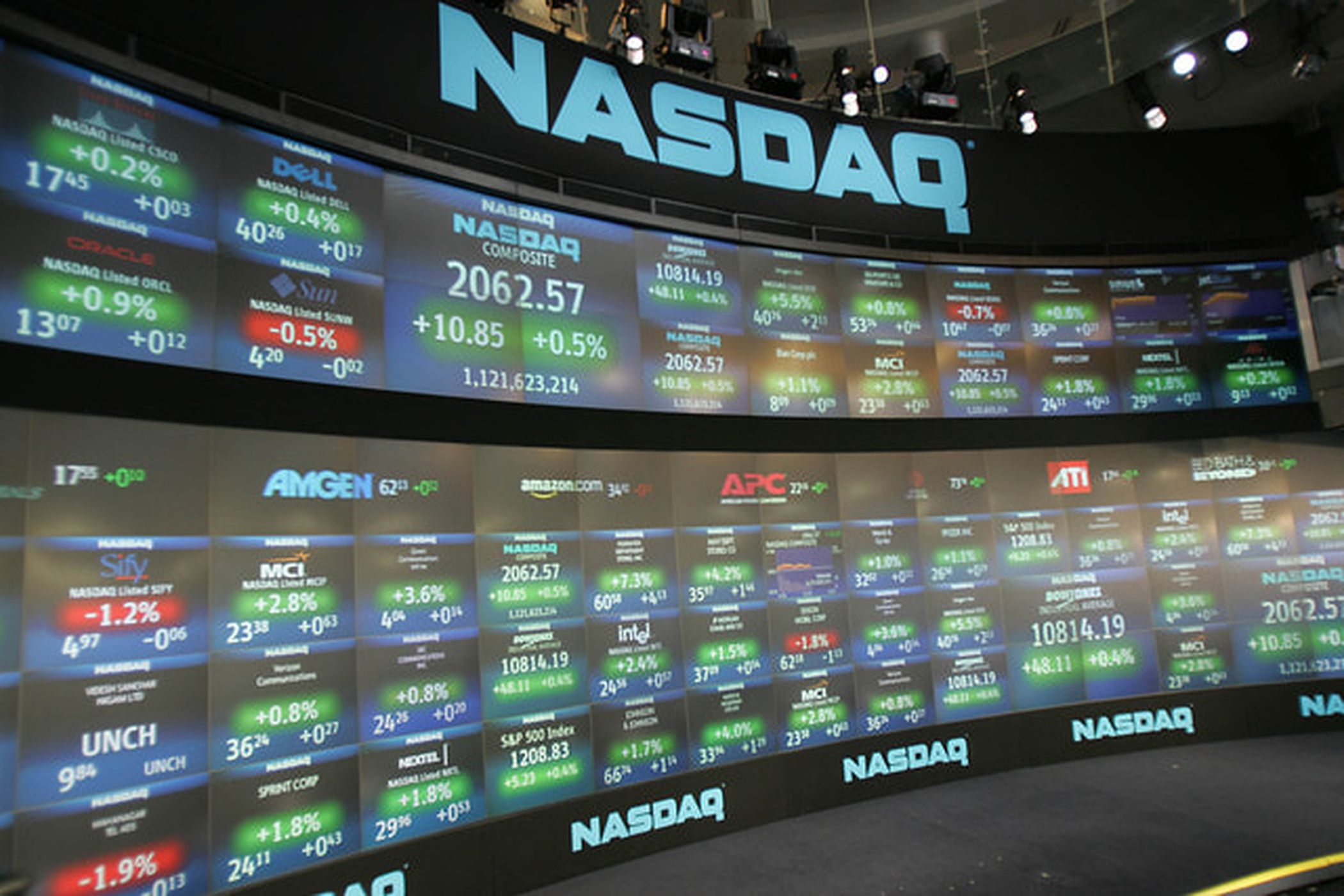
Netskope, a cloud-based cybersecurity company, announced plans to raise up to $813 million in its U.S. initial public offering, aiming for a valuation of up to $6.5 billion. The IPO comes amid a rebound in listings after April’s tariff-driven market slump.

The Santa Clara-based firm will sell 47.8 million shares priced between $15 and $17 each, listing on the Nasdaq under the ticker “NTSK”.

Founded in 2012, Netskope provides cloud security solutions that protect apps, websites, and data from cyber threats. The company operates in the secure access service edge (SASE) market, competing with heavyweights like Palo Alto Networks and Zscaler. Gartner projects the SASE sector will grow from $7B in 2022 to $25B by 2027, reflecting rising demand for AI-powered cybersecurity amid more sophisticated attacks and the cloud shift.

Netskope’s client base includes Qualcomm and BMO, spanning mid-sized firms to global enterprises. Its last funding round in 2021, led by ICONIQ, Sequoia, and Accel, valued the firm at $7.5B.

The IPO follows rival Rubrik’s 2023 debut, whose shares have more than doubled since going public, underscoring investor appetite for cybersecurity plays.

Morgan Stanley and J.P. Morgan are lead underwriters.

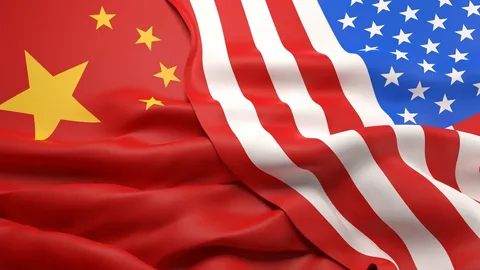
U.S. Investigates Malware Email Linked to China Targeting Trade Talks

U.S. authorities are probing a malware-laden email disguised as coming from Republican Representative John Moolenaar, aimed at infiltrating organizations connected to U.S.-China trade negotiations, the Wall Street Journal reported Sunday.

The July email was sent to trade groups, law firms, and government agencies, asking recipients to review draft legislation. Cyber analysts traced the malware to APT41, a hacking group widely believed to be linked to Chinese intelligence. Opening the attachment would have given hackers deep access to the targets’ systems.

Moolenaar, a vocal critic of Beijing and chair of a congressional committee on U.S.-China competition, said the incident was “another example of Chinese cyber operations aimed at stealing U.S. strategy,” adding: “We will not be intimidated.”

The attack coincided with sensitive trade talks in Sweden, which temporarily extended a tariff truce between Donald Trump and Xi Jinping until their expected November meeting at an Asian economic summit.

The Chinese embassy in Washington denied knowledge of the incident, stressing opposition to all cyberattacks while warning against “smearing others without solid evidence.”

The FBI confirmed it is working with partners to track those responsible. Meanwhile, the Capitol Police are investigating after staff on Moolenaar’s committee noticed unusual inquiries about the fake message.

The episode adds to mounting evidence of Beijing-linked cyber campaigns targeting U.S. institutions to gain insight into trade and national security deliberations.