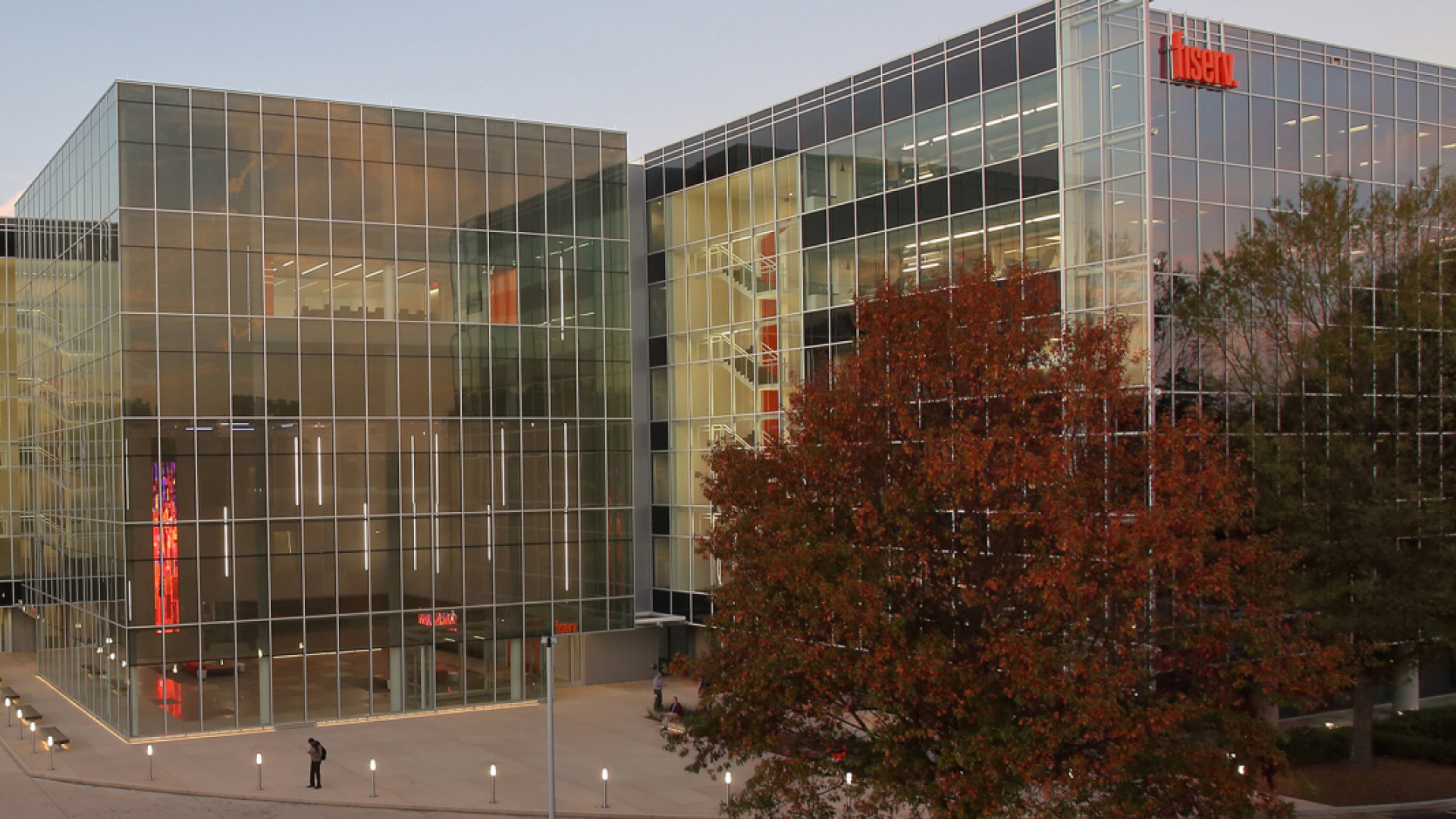
Fiserv Expands Gig-Economy Financing with $140 Million Acquisition of Payfare

U.S. fintech giant Fiserv (FI.N) has announced the acquisition of Canada’s Payfare (PAY.TO) in a deal valued at C$201.5 million ($140 million). This move is part of Fiserv’s strategy to broaden its payment services for gig-economy workers. The acquisition follows Payfare’s strategic review, which was triggered by the announcement that its partnership with DoorDash (DASH.O) for the DasherDirect card program would not be renewed beyond early 2025, causing a significant drop in Payfare’s stock value.

Fiserv’s offer to purchase Payfare’s shares at C$4 each represents a 90% premium over the company’s last closing price but is significantly lower than its stock price before the DoorDash news. This acquisition is expected to give Fiserv a stronger foothold in the rapidly growing gig economy, where workers often rely on digital banking platforms for urgent financial needs.

Payfare’s partnerships with major gig-economy platforms such as Uber (UBER.N) and Lyft (LYFT.O) will be a valuable asset to Fiserv as it expands its embedded finance services. The deal is expected to close in the first half of next year and may mark one of the final initiatives of Fiserv CEO Frank Bisignano, who is set to head the Social Security Administration under President-elect Donald Trump.

The growing demand for fintech services, especially for early wage access, has been highlighted by a 90% year-over-year increase in transactions processed by fintech providers. The deal aligns with Fiserv’s strategic focus on expanding its technology offerings and presence in the embedded finance space.

Payfare’s shares surged by 78% following the announcement, although they have fallen nearly 66% over the course of this year. Meanwhile, Fiserv’s stock has seen a 55% increase.
Northvolt Moves Toward Longer-Term Bankruptcy Financing

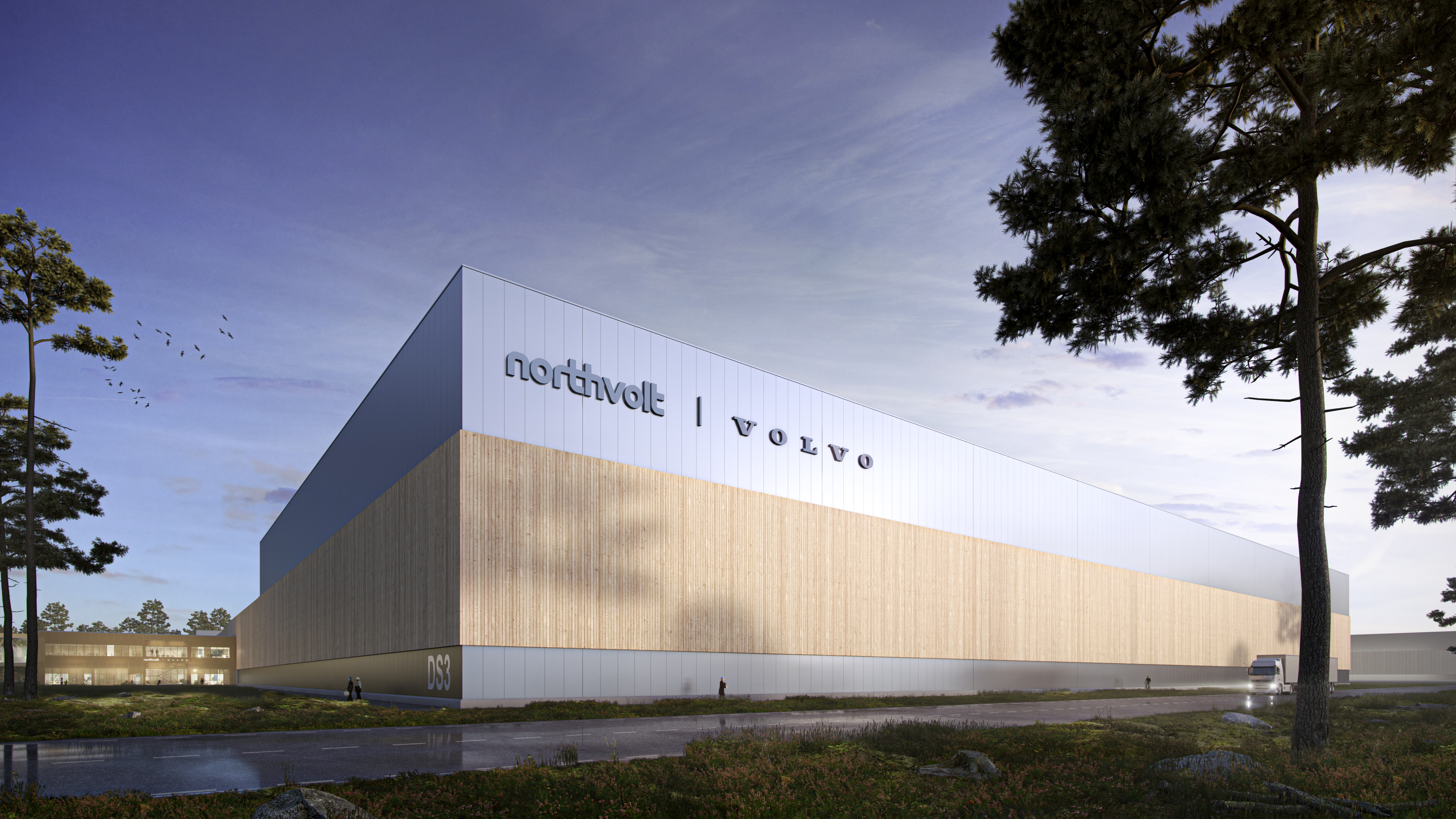
Swedish electric vehicle battery manufacturer Northvolt announced on Friday that it is making progress toward securing additional bankruptcy financing, with plans to finalize the arrangement by late January. Since entering bankruptcy on November 21, the company has engaged with over 100 potential lenders and investors to secure the necessary funds for its restructuring.

Northvolt’s initial bankruptcy loan, a $100-million facility from Swedish truck maker Scania, was meant to help the company through the early stages of its restructuring. However, it was not intended to carry the company through the entirety of the bankruptcy process. The company is now actively evaluating proposals from both strategic and financial investors to provide long-term financing.

At a court hearing in Houston on Friday, Northvolt’s attorney, Jack Luze, confirmed that the company is working on a longer-term financing proposal, which will be presented to U.S. Bankruptcy Judge Alfredo Perez during a court session scheduled for January 28.

Judge Perez approved the bankruptcy loan in full on Friday, after previously allowing the company to access the initial $51 million from the loan. A Northvolt spokesperson expressed satisfaction with the progress, noting the approval of the loan as an important step in the restructuring process.

The company, which has raised over $10 billion in an effort to produce electric vehicle batteries and compete with dominant Chinese manufacturers, remains operational with around 6,600 employees across seven countries. Northvolt is hopeful that its bankruptcy restructuring will allow it to continue business as usual while addressing its financial challenges.


Starbucks Workers Expand Strike to More U.S. Cities Amid Union Standoff

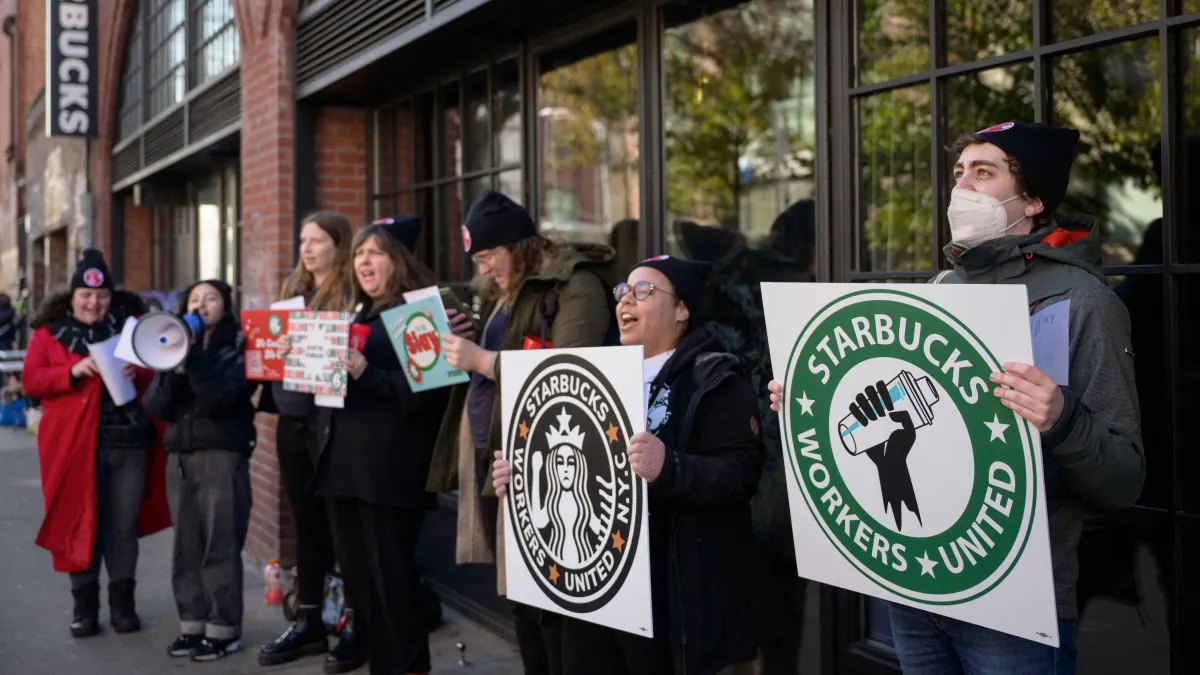
Starbucks workers have broadened their strike to additional U.S. cities, including New York, Philadelphia, New Jersey, and St. Louis, the Workers United union announced late Saturday. This escalation comes after the five-day strike initially shuttered cafes in Los Angeles, Chicago, and Seattle. Specific details about the strike locations in New Jersey were not disclosed.

The walkouts, prompted by unresolved disputes over wages, staffing levels, and scheduling, now span ten cities, including Columbus, Denver, and Pittsburgh. The strike coincides with Starbucks’ busy holiday season, potentially impacting its Christmas sales. Workers United has warned that the strike could grow to “hundreds of stores” by Christmas Eve, intensifying the pressure on the coffee chain.

Starbucks has yet to comment on the latest developments outside regular business hours.

Negotiations and Union Stalemate

Negotiations between Starbucks and Workers United began in April, but progress has been slow. The company has conducted over eight bargaining sessions, reportedly reaching 30 agreements. However, key issues remain unresolved, leading to the current impasse.

Broader Impact

The strike affects a small fraction of Starbucks’ operations—out of its 11,000 U.S. stores employing approximately 200,000 workers—but the targeted disruption during a critical retail period underscores the workers’ demands.

Workers United, which represents over 10,000 baristas, continues to push for better terms and conditions, signaling a potentially prolonged standoff during the high-demand holiday period.