Singapore’s Bolttech Raises Over $100 Million in Series C Funding

Bolttech, a Singapore-based insurance technology firm, has successfully raised more than $100 million in its latest Series C funding round, bringing its valuation to $2.1 billion. This round was led by Dragon Fund, a subsidiary of Mitsubishi UFJ Financial Group, and fintech direct lender Liquidity Group. The funding will support bolttech’s global expansion strategy.

Funding and Company Growth

The Series C funding round represents a significant increase from the $1.6 billion valuation in its previous Series B round, which took place in May 2023. Bolttech, founded in 2020, operates a digital platform that facilitates the buying and selling of insurance and protection products. The company’s platform connects insurers, distributors, and customers in over 35 markets across North America, Asia, Europe, and Africa.

Investment Details

In addition to Dragon Fund and Liquidity Group, other notable investors in the Series C round include UK investment management firm Baillie Gifford and the private equity arm of insurer Generali, Lion River. The latest investment marks a continued interest in the insurtech sector, which saw a peak of $1.38 billion in global investment in Q3 2023, driven in part by the growing influence of artificial intelligence in the industry.

Additional Funding

Bolttech also secured additional financial backing in 2023. In September, the company extended its Series B round, raising $246 million, including $50 million from impact investment firm LeapFrog. Last month, it closed a $50 million venture debt facility with HSBC.


Swiss Inquiry Exposes Oversight Failures in Credit Suisse Collapse but Blames Bank Leadership

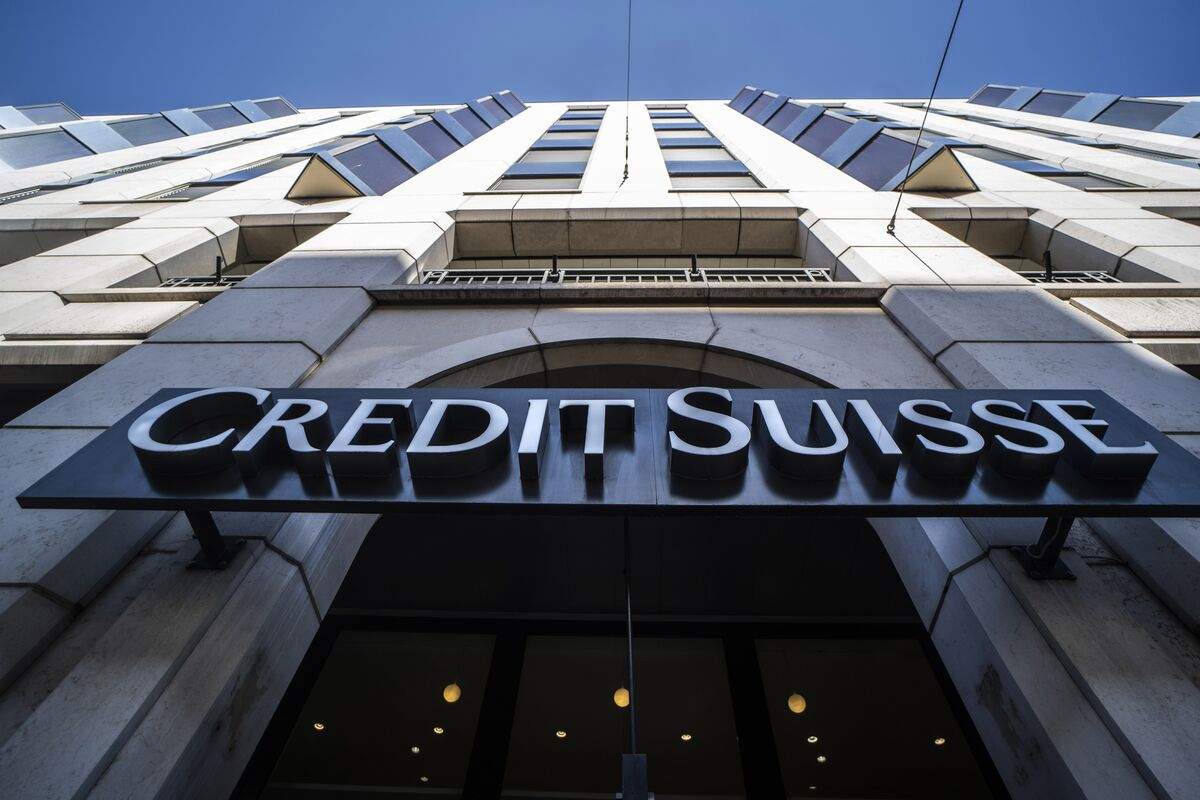
Swiss lawmakers have released a scathing report detailing the collapse of Credit Suisse in March 2023, highlighting systemic failures in the oversight of the financial sector while laying the primary blame on the bank’s mismanagement. The 569-page document, published after months of investigation, criticized Swiss regulatory authorities for lacking transparency and acting inconsistently during the crisis, though it acknowledged their role in averting a global financial meltdown.

Credit Suisse, a 167-year-old institution and Switzerland’s second-largest bank, was rescued by arch-rival UBS in a government-brokered deal for a fraction of its value. The collapse left Switzerland with only one major international bank, UBS, whose balance sheet now exceeds the size of the country’s entire economy.

A parliamentary committee, known as PUK, was formed in June 2023 to examine the government’s response to the crisis. While the inquiry determined that “years of mismanagement” by Credit Suisse leadership caused the crisis, it found no direct misconduct by Swiss authorities. However, it sharply criticized their lack of record-keeping during crucial crisis meetings involving the finance ministry, the central bank, and the financial regulator FINMA.

Key Findings and Recommendations

The report chronicled the bank’s chaotic final days, revealing that discussions about Credit Suisse’s potential demise had been ongoing for months. However, these discussions were often informal, unstructured, and poorly documented. Former Finance Minister Ueli Maurer and ex-Swiss National Bank Chairman Thomas Jordan were singled out for initiating “non-meetings,” which bypassed established crisis-management protocols and created a “parallel format” to avoid leaks.

The committee recommended reforms closely aligned with the government’s initial “too-big-to-fail” proposals from April 2023. These include:

  • Strengthening FINMA: Bolstering the financial regulator’s oversight powers and limiting its ability to grant concessions on capital requirements for banks.
  • Reevaluating Capital Buffers: Ensuring that systemically important banks like UBS hold sufficient capital to weather future crises.
  • Incentive Realignment: Addressing excessive bonuses in the financial sector, noting that Credit Suisse management had received bonuses exceeding 34 billion Swiss francs ($37.9 billion) between 2010 and 2022, despite the bank incurring equivalent losses during that period.
  • Improving Governance: Mandating better communication and handover protocols within government departments, especially during periods of financial instability.

The report criticized the transition between former Finance Minister Maurer and his successor Karin Keller-Sutter. Maurer downplayed Credit Suisse’s vulnerabilities, assuring Keller-Sutter that the bank was stable just months before its collapse. The committee concluded that the handover of information was insufficient and contributed to delays in addressing the crisis.

Keller-Sutter, who took office in January 2023, was credited with injecting urgency into the government’s response. However, the report found that she failed to keep the Swiss cabinet adequately informed about the evolving situation, leaving many members unaware of the bank’s dire state until its final days in March 2023.

Broader Implications for Switzerland’s Financial Sector

The inquiry highlighted how Credit Suisse’s collapse has left Switzerland grappling with the risks posed by “too-big-to-fail” institutions. UBS, now the country’s sole global bank, has argued against further capital requirements, warning that excessive regulation could harm its competitiveness and deter investment in Switzerland.

Nevertheless, the PUK report underscores the need for stricter oversight and systemic reforms. It urged the government to prioritize transparency, accountability, and proactive risk management to prevent a repeat of such a crisis.

As Switzerland’s financial sector faces calls for reform, the report serves as a reminder of the delicate balance between fostering market confidence and ensuring robust regulatory safeguards.


Hedge Fund Retreat Transforms Cocoa Markets Amid Price Surge

A record-breaking surge in global cocoa prices this year has exposed a dramatic shift in financial markets underpinning the cost of chocolate: hedge funds, once key players in cocoa futures trading, have largely exited the market. Their withdrawal has reshaped cocoa markets, driving unprecedented volatility and straining liquidity.

Cocoa futures, traded on exchanges in London and New York, are vital for determining the price of cocoa beans, influencing confectionery costs worldwide. However, by mid-2022, hedge funds—speculative investors that use pooled private capital—began scaling back their activity in cocoa markets. This retreat accelerated in 2023 due to heightened price swings, which increased trading costs and eroded profitability.

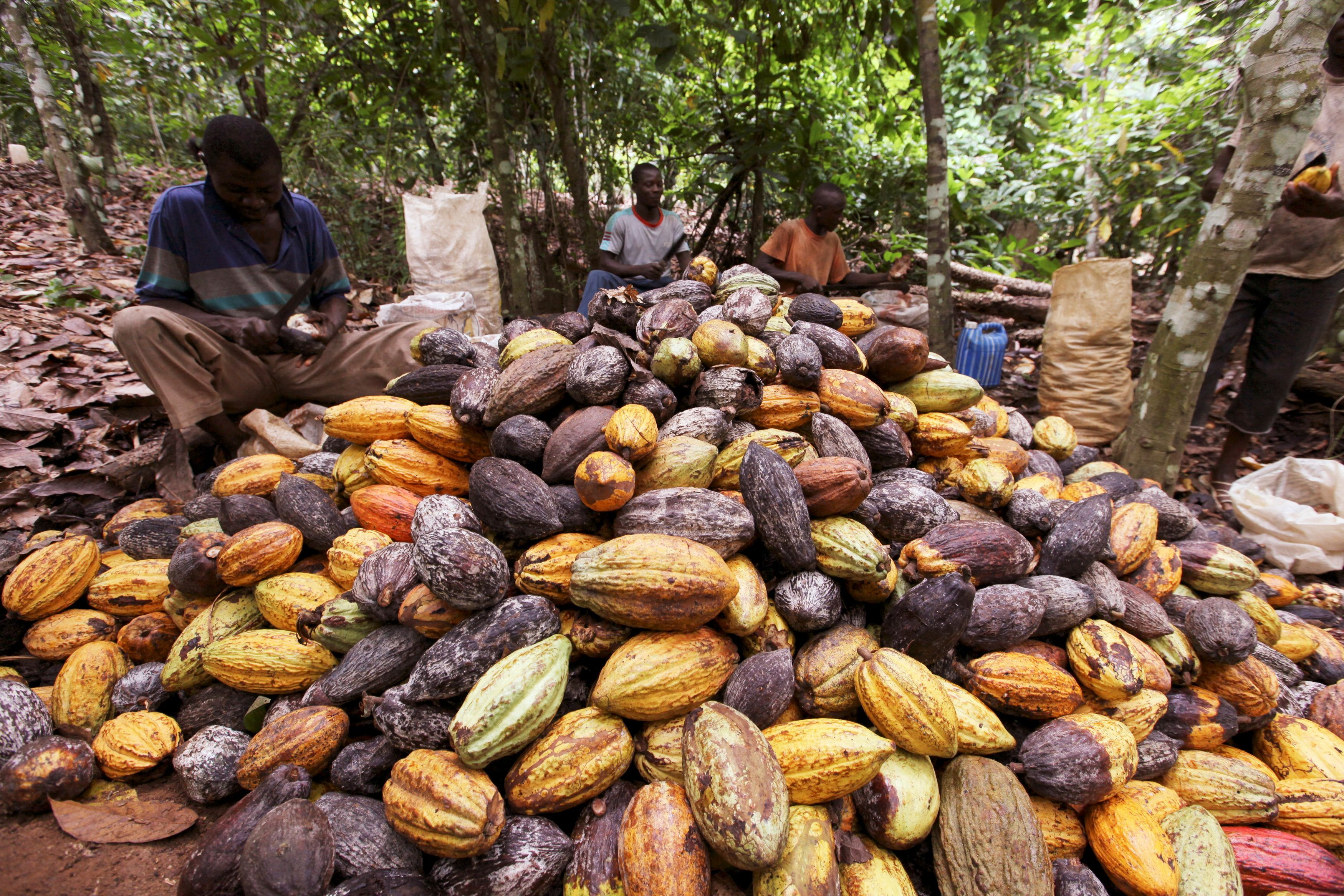
The market turmoil was fueled by adverse weather conditions and crop diseases in top cocoa-producing nations Ivory Coast and Ghana. These challenges drove cocoa prices to a record high in February, surpassing the previous peak set in 1977. Hedge funds, which peaked at a 36% share of the market in May 2023, reduced their presence to just 7% by late May, their lowest participation in over a decade.

Razvan Remsing of Aspect Capital, a $9.3 billion London-based hedge fund, explained that extreme volatility compelled the firm to reduce its exposure to cocoa futures. Aspect trimmed its cocoa holdings from nearly 5% of its portfolio in January to under 1% by April. Lawrence Abrams of Absolute Return Capital Management noted that the collateral required to trade cocoa futures skyrocketed, increasing costs for speculators.

The hedge fund exodus had cascading effects on the market. Liquidity—the ease of buying and selling—plummeted, leading to wider bid-ask spreads and amplified price swings. Daily price fluctuations reached $800 in May, up 15 times from the previous year, while volatility hit record highs. As a result, traders and brokers faced significant challenges executing large trades without distorting prices.

The cocoa market’s altered dynamics prompted some industry players to seek alternatives to futures contracts. Macquarie, an Australian investment bank, reported increased demand for over-the-counter products, which offer narrower price protection. However, such instruments have limited use compared to traditional futures contracts.

Major trading houses and cocoa producers also faced steep losses as Ghana delayed delivery on nearly half of its cocoa harvest for the October 2023 to September 2024 season. This disruption forced traders to liquidate positions at significant losses, compounding market instability.

Despite some hedge funds returning to the market, their collective share of cocoa trading remains well below previous levels. Short-term investors, including day traders, have partially filled the gap but lack the liquidity-providing role of hedge funds. Brokers have nicknamed these transient participants “cocoa tourists” for their fleeting involvement in the market.

The fallout from the hedge fund retreat extends to chocolate makers, particularly small and medium-sized businesses. Volatile prices and higher costs have forced many to pass expenses to consumers, reduce product sizes, or shutter operations.

For cocoa-producing nations like Ivory Coast and Ghana, the turbulence in futures markets has profound implications. These countries depend on stable futures markets to hedge income and protect farmers from price fluctuations. The market’s current volatility underscores the risks of relying heavily on speculative financial actors.

As cocoa markets navigate their transformed landscape, the episode highlights the systemic importance of hedge funds and their outsized influence on global commodity markets.