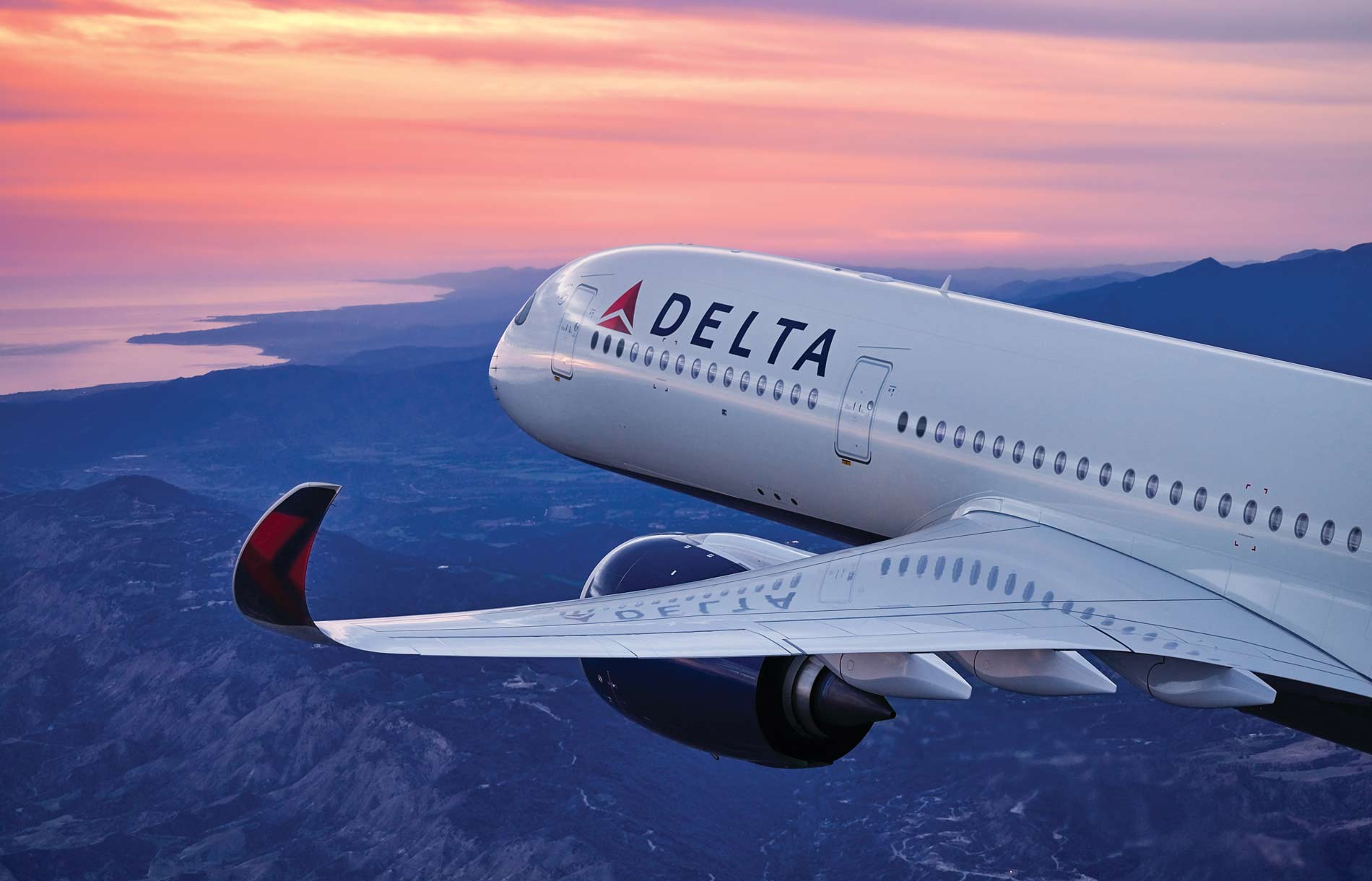
CrowdStrike Seeks to Dismiss Delta Air Lines Lawsuit Over July Cybersecurity Outage

CrowdStrike has moved to dismiss a lawsuit filed by Delta Air Lines related to a July cybersecurity outage that resulted in canceled flights and stranded passengers. The cybersecurity company argues that the suit violates the terms of the contract between the two parties, including a clause that limits CrowdStrike’s liability and caps damages. In its filing, CrowdStrike emphasized that Georgia law prevents Delta from turning a breach of contract claim into tort claims, citing the state’s economic loss rule.

Delta claims that the July incident cost the airline more than $500 million in canceled flights, refunds, and accommodations for affected passengers. The airline is seeking to recover these costs from CrowdStrike, but the full extent of the damage, including reputational harm and the impact of a Department of Transportation investigation, has yet to be quantified. Despite the incident, Delta continues to use CrowdStrike’s cybersecurity services, likely due to the complexity of replacing such a provider in a large organization like Delta.

CrowdStrike contends that it acted swiftly to assist Delta during the outage, but the airline reportedly rejected offers of help. According to CrowdStrike, one message from a Delta executive stated, “We are good for now.” The company also argued that Delta’s internal systems and practices contributed to the scale of the delays and cancellations, with the airline experiencing far more significant disruptions than its industry peers, who recovered more quickly from similar issues.

The cybersecurity company’s stock was heavily impacted by the outage, dropping 44%, but it has since recovered, posting strong results despite lowering its guidance due to the incident. Delta has yet to provide a statement in response to the filing.


Holiday Decor Surges in Popularity as Consumers Cut Back on Gift Spending

For the Milam family in Dallas, the front lawn has transformed into a winter wonderland, complete with a mini golf course that has become a neighborhood attraction. Visitors arrive daily to admire the holiday decorations, and families even borrow a club to try their hand at the festive putting course. For Mike Milam, the joy is not just in the decorations, but in the experience it creates for both children and adults.

Since the COVID-19 pandemic, elaborate holiday displays like those by the Milams have grown in popularity, especially as consumers prioritize decorations and experiences over traditional gift-giving. According to Deloitte’s annual holiday spending survey, shoppers are expected to reduce their gift purchases by about 3% this year, but spending on non-gift items, especially holiday decorations, is projected to rise by 9%. On average, survey respondents plan to spend $181 on home-related decor, which represents a 22% increase compared to last year and nearly 60% more than in 2019.

Retailers like Home Depot, Walmart, Target, Dollar General, and Dollar Tree have all capitalized on this trend, offering a wide range of seasonal decor to attract budget-conscious shoppers. Target, for example, has seen higher sales of accessories like frames, candles, and vases, while Dollar General has noted positive responses to its Halloween and other holiday-themed decor. These sales trends suggest that, even if consumers are pulling back on gift spending, they are still eager to create memorable holiday experiences through decorations.

However, not all companies are experiencing the same boost. The National Tree Company, which sells artificial Christmas trees and other decor, has seen slower sales in recent years after a surge in 2020 and 2021. CEO Chris Butler pointed out that consumers typically replace their trees every five to six years, and many have extended the life of their pandemic-era purchases due to financial pressures. Meanwhile, Home Depot has responded by offering more affordable holiday decor options, including lower-priced artificial trees and figurines under $40, to cater to cost-conscious customers.

Walmart, on the other hand, has embraced viral trends, such as the large white nutcracker that sold out last year. Despite its success, the retailer still faces challenges in keeping its holiday decor inventory stocked, as demand for certain items like the nutcracker has far outstripped supply.

Despite these challenges, some families, like the Milams, continue to invest in creative holiday displays. For the Milams, who spent about $1,000 to create their mini golf course and other yard decorations, the experience is about more than just spending money. They crafted many of their decorations themselves using supplies from Home Depot, turning it into a family project. The family also bought an eight-foot Christmas tree for $129 and a plastic Christmas chicken for $20, but most of their decorations are recycled from previous years.

Mike Milam, however, has become more cautious about his spending in recent years. Between rising costs for food and utilities, he’s opted to reduce spending on gifts for his kids and instead focus on creating experiences and memories. The project has also allowed his children to learn new skills, such as painting and using tools, which adds an extra layer of meaning to the holiday festivities. The Milams’ front yard is filled with a variety of themes, including Nintendo’s Super Mario and a holiday version of the classic movie E.T. the Extra-Terrestrial.

Though the Milams may spend less on gifts, they continue to put significant effort into their holiday decor, with plans for future themes already in the works. Mike Milam is committed to keeping up the tradition as long as his family remains involved and eager to participate.

 

As Bitcoin Soars, Luxury Brands Consider Accepting Crypto Payments

The recent surge in Bitcoin’s value has prompted luxury brands and retailers to explore cryptocurrency as a payment method, aiming to tap into the growing wealth of crypto investors and position themselves as innovative. While early adopters such as LVMH’s Hublot and Tag Heuer, along with Kering-owned Gucci and Balenciaga, have dabbled in crypto payments, the interest among high-end brands is accelerating.

One notable move came from French luxury department store Printemps, which partnered with Binance, the world’s largest crypto exchange, and French fintech firm Lyzi, to accept Bitcoin and Ethereum payments in its French locations. This step makes Printemps the first European department store to embrace cryptocurrency payments, a development generating significant interest from other brands.

“We’ve received numerous inquiries,” said David Princay, president of Binance France, noting ongoing talks with additional luxury labels. Similarly, S.T. Dupont, a maker of luxury lighters and pens, plans to roll out crypto payment options at two Paris locations before the holiday season.

Beyond fashion, the trend has extended into experiential luxury. For example, Virgin Voyages recently launched a $120,000 annual pass for its cruise ships, accepting Bitcoin as payment.

While cryptocurrencies’ high volatility and regulators’ warnings about their risks have been barriers to broader adoption, a more favorable regulatory environment under U.S. President-elect Donald Trump has bolstered confidence in digital currencies. Analysts from S&P suggest that blockchain innovation and greater financial market integration may enhance cryptocurrencies’ predictability, opening new opportunities for businesses.

Branding and Reaching Younger Clients

For luxury brands, embracing cryptocurrencies is as much about innovative branding as it is about new revenue streams. Digital assets can help brands shed their “stuffy” image and appeal to younger, tech-savvy clientele, said Andrew O’Neill, a digital assets analyst at S&P Global Ratings.

Notably, Balenciaga has released a luxury leather cardholder specifically designed to hold “Stax” hardware by crypto wallet company Ledger. The accessory, priced at €350 ($368), comes with an NFC chip and hardware storage for cryptocurrency. Ledger’s products range from $79 for the USB-style Nano wallet to $399 for its high-end Stax wallet.

Luxury conglomerates like Kering have also embraced a forward-looking approach. Gregory Boutte, Kering’s chief client and digital officer, described their strategy as “test and learn” rather than waiting for trends to mature. Gucci, Kering’s flagship brand, has been accepting 10 cryptocurrencies for purchases in the U.S. since 2022.

Expanding Markets and Evolving Preferences

Printemps plans to expand its crypto payment options to its upcoming New York City flagship store, set to open in March 2025 in the Wall Street district. Gucci and Tag Heuer were among the first brands to adopt crypto payments in the U.S. following Bitcoin’s surge in late 2021.

While some crypto investors appreciate the convenience of using digital currencies for luxury purchases, others remain indifferent to brand loyalty. Influencer and crypto investor Eunice Wong shared that she used cryptocurrency to buy several high-end watches, including an Audemars Piguet Royal Oak model. However, Wong prefers the secondary market over traditional retail, citing the speed and ease of purchase as her priorities.

Despite the challenges, luxury brands see crypto payments as a way to attract new customers, diversify revenue streams, and position themselves as leaders in innovation during a time of economic slowdown.