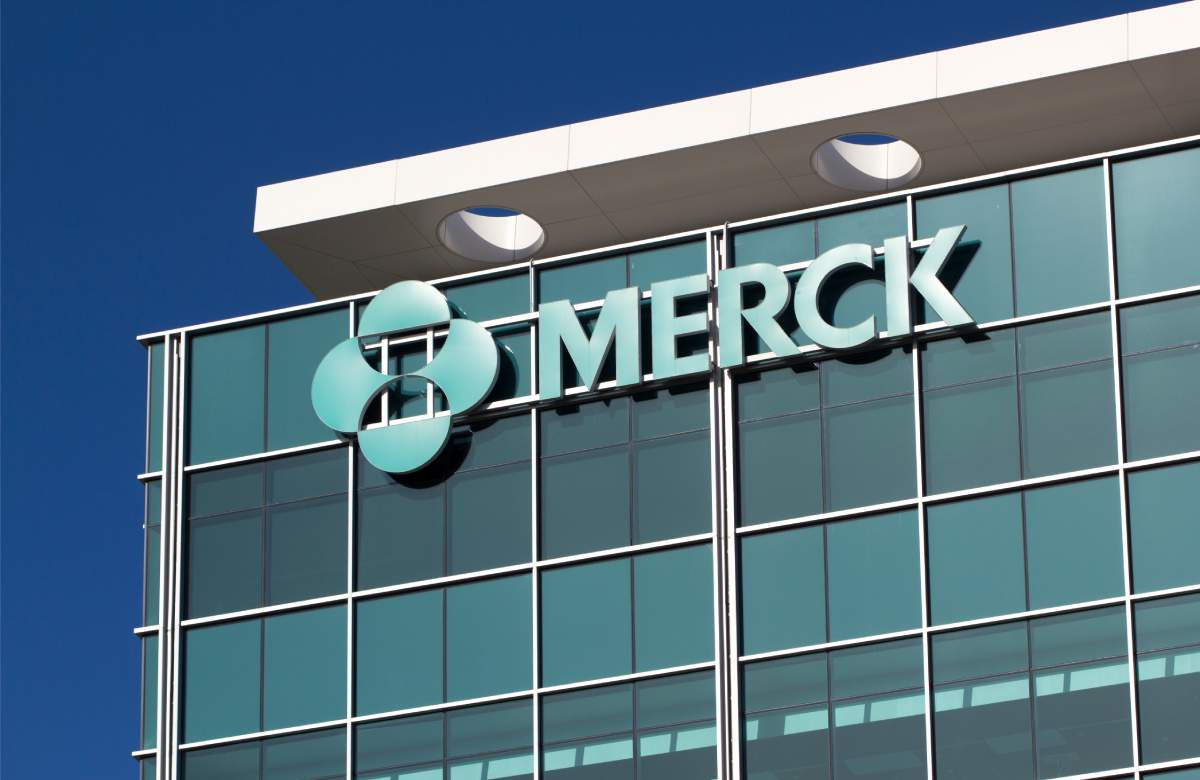
Merck Strikes $2 Billion Deal with Hansoh Pharma for Oral Weight-Loss Drug

Merck (MRK.N) has entered a licensing agreement worth up to $2 billion with Chinese biotech firm Hansoh Pharma (3692.HK) for the development of an experimental oral weight-loss drug, HS-10535. This move positions Merck as a new competitor in the race to deliver an alternative to injectable weight-loss treatments.

Details of the Agreement

Under the agreement, Merck will assume responsibility for developing, manufacturing, and commercializing the drug. Hansoh’s HS-10535 is a GLP-1 receptor agonist candidate, designed to emulate the effects of injectable weight-loss drugs like Novo Nordisk’s Wegovy and Eli Lilly’s Mounjaro.

Merck will pay Hansoh an upfront fee of $112 million for the exclusive license, with potential milestone payments of up to $1.9 billion based on development, regulatory progress, and sales achievements. Hansoh will also receive royalties on future sales.

Competitive Landscape

Merck faces stiff competition in the burgeoning weight-loss market. Its oral drug candidate will likely trail behind rivals such as Eli Lilly’s orforglipron, which is further along in development. Other pharmaceutical giants, including Pfizer, Amgen, and Structure Therapeutics, are also testing oral obesity treatments, while AstraZeneca has partnered with China’s Eccogene on a similar initiative.

HS-10535 is currently in the preclinical testing phase, focusing on animal studies, meaning it could be several years before it reaches commercial availability. However, Merck sees potential in the drug not only for weight loss but also for delivering cardiometabolic benefits, according to Merck Research Laboratories president Dean Li.

Merck’s Broader Strategy

This deal reflects Merck’s broader focus on second- and third-generation weight-loss treatments, particularly oral solutions that may offer added convenience over injectables. Beyond HS-10535, Merck is also developing efinopegdutide, a GLP-1 candidate targeting metabolic dysfunction-associated steatohepatitis (MASH), a severe fatty liver disease associated with obesity.

Despite entering the weight-loss race later than its competitors, Merck aims to carve a niche in the field by emphasizing treatments that address obesity-related conditions alongside weight reduction.

Market Response and Implications

Shares of Merck rose slightly to $100.80 in premarket trading following the announcement. Analysts, however, expressed concerns about the timing, as Merck’s drug will likely lag behind more advanced contenders.

Weight-loss treatments, particularly GLP-1 receptor agonists, are shaping up to be a multibillion-dollar market, driven by increasing global demand for effective and convenient solutions to obesity. The licensing deal with Hansoh signifies Merck’s commitment to becoming a key player in this competitive market.


CATL Develops 10 EV Models with Swappable Batteries, Aims for Mass Adoption

Contemporary Amperex Technology Co., Ltd (CATL), the world’s largest battery manufacturer, announced on Wednesday that it has co-developed 10 new electric vehicle (EV) models with automakers, all featuring swappable batteries. This development aligns with CATL’s strategy to promote battery swapping as a key alternative to traditional gasoline stations and standard EV charging methods in China.

Battery Swapping Revolution

Yang Jun, CEO of CATL’s battery-swapping brand EVOGO, revealed plans to launch the first EV equipped with its “choco-swap” battery this month, with additional models to follow in the coming months. CATL also aims to establish 1,000 battery-swapping stations next year and is seeking partnerships to accelerate station deployment.

CATL envisions battery swapping as a transformative solution, predicting that 30,000-40,000 swapping stations could replace one-third of China’s 100,000 gasoline stations in the future. Yang projects that by 2030, battery swapping will account for one-third of EV power-up solutions, alongside home and public charging options.

The “choco-swap” battery is designed for quick replacements, allowing drivers to swap depleted batteries in just one minute. CATL’s battery-swapping service is offered on a subscription basis, starting at 369 yuan ($51) per month. The company is also standardizing battery sizes to encourage broader adoption among automakers.

Collaboration and Expansion

CATL has partnered with state-owned automakers Changan Auto and FAW to integrate the battery-swapping technology. Since the launch of its EVOGO service in 2022, CATL has been piloting battery-swapping stations in select Chinese cities.

Robin Zeng, CATL’s chairman, emphasized the role of green energy in powering the swapping stations and highlighted their potential to stabilize power grids. Additionally, CATL is diversifying into areas like micro power grids and skateboard chassis as part of its long-term growth strategy.

Growing Competition in Battery Swapping

Chinese automaker Nio has been a major player in the battery-swapping space, with over 2,800 stations built as of early December. Nio’s technology allows EV batteries to be replaced in three minutes, offering another fast alternative for EV users.

The battery-swapping trend addresses critical infrastructure bottlenecks, a key challenge slowing global EV growth. While China leads in battery-swapping adoption, companies like Nio and Xpeng are also exploring extended range hybrids to cater to overseas markets with limited EV charging and swapping facilities.

Market Outlook

CATL’s aggressive push for battery swapping reflects its confidence in this technology as a scalable solution for EV energy needs. By enabling faster recharging and enhancing grid stability, CATL aims to position battery swapping as a mainstream option for both domestic and global markets.


Honda and Nissan in Talks for Potential Merger Amid Rising Competition

Honda and Nissan are reportedly in discussions to deepen their partnership, which could include a possible merger, according to sources on Wednesday. This move signals the increasing pressure on Japan’s automotive industry as it faces fierce challenges from EV leaders like Tesla and emerging Chinese automakers such as BYD.

Potential Scale of the Merger

If a merger proceeds, the combined entity would be valued at $54 billion, producing 7.4 million vehicles annually, ranking it as the world’s third-largest automaker behind Toyota and Volkswagen. The two companies already entered a strategic partnership in March to collaborate on electric vehicle (EV) development. However, worsening financial difficulties for Nissan have created urgency for closer ties.

Nissan’s Struggles and the Case for Collaboration

Nissan has been grappling with declining sales in the U.S. and China, which led to an 85% plunge in Q2 profits. Last month, the company announced a $2.6 billion cost-cutting plan, including eliminating 9,000 jobs and reducing production capacity by 20%. Analysts suggest the merger could serve as a rescue move for Nissan while also helping Honda address future challenges in EV development and cash flow.

“Honda’s EV ventures have struggled, and its cash flow could deteriorate next year. This deal, while aiding Nissan, is also forward-looking for Honda,” said Sanshiro Fukao, an executive fellow at Itochu Research Institute.

Market Reactions

The possibility of a merger caused Nissan shares to surge 24%, while Honda shares dropped 3%. Mitsubishi Motors, in which Nissan holds a 24% stake, saw its shares climb nearly 20%. The news also boosted shares of Renault, Nissan’s largest shareholder, by 6.7%.

Broader Challenges in the Auto Industry

The discussions come amidst intensifying global competition. An EV price war initiated by Tesla and BYD has created additional pressure on automakers struggling to stay competitive in the next-generation vehicle market. Moreover, geopolitical concerns, including U.S. President-elect Donald Trump’s threats of heavy tariffs on vehicles imported from Canada and Mexico, add to the uncertainty.

A Honda-Nissan merger could provide a new competitive axis against Toyota, which dominates the Japanese auto market. However, experts warn that such a partnership must overcome significant obstacles.

Cultural and Strategic Challenges

Analysts highlight potential difficulties in reconciling the different corporate cultures of Honda and Nissan. Honda is known for its technology-focused approach, particularly in powertrains, while Nissan’s recent struggles have raised concerns over its strategic direction.

“Mergers between major automakers rarely yield significant benefits due to culture clashes and strategy misalignments,” stated S&P Global Ratings. Tang Jin, a senior researcher at Mizuho Bank, added, “Honda’s tech-driven culture may resist a merger with a struggling competitor like Nissan.”

Broader Implications and Next Steps

The automakers are reportedly exploring ways to collaborate, such as establishing a holding company, with the possibility of a full merger under discussion. Additionally, there are plans for deeper cooperation with Mitsubishi.

Renault, Nissan’s largest shareholder, has expressed openness to a deal but will examine its implications. Meanwhile, Taiwan’s Foxconn, which has been expanding into EV manufacturing, unsuccessfully approached Nissan with a bid to take a controlling stake.

The three Japanese automakers are expected to hold a joint press conference on Monday in Tokyo, potentially to outline their plans for deeper collaboration.