Japan Targets 40-50% Renewable Energy by 2040 Amid Energy Security Focus

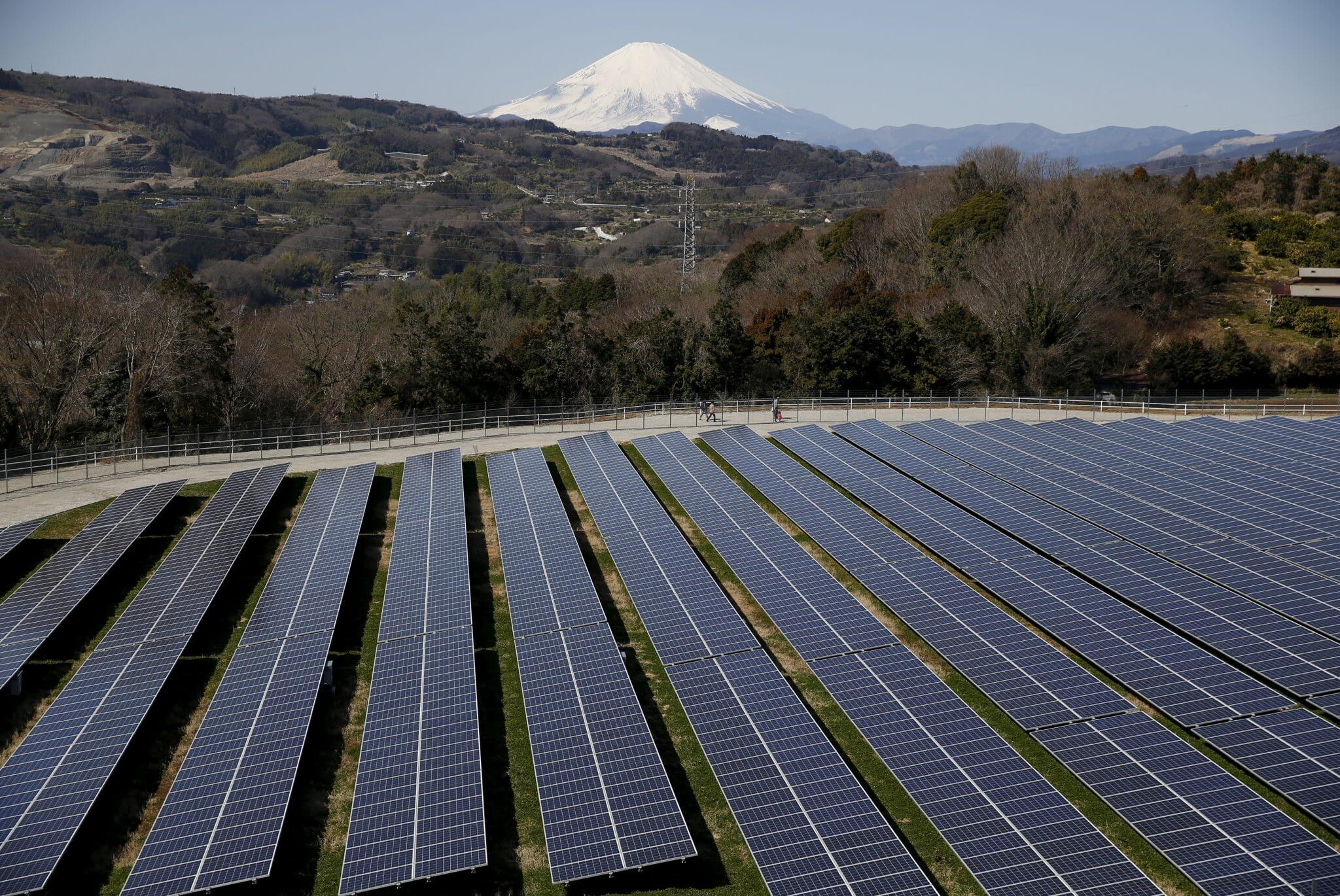
Japan aims for renewable energy to supply 40-50% of its electricity by fiscal year 2040, alongside 20% from nuclear power, according to a draft revision of its basic energy policy unveiled on Tuesday. This marks a significant clean energy push while also addressing energy security concerns amid rising power demand and geopolitical instability.

Renewable Energy Targets and Current Context

The proposed targets aim to nearly double renewables’ share from 22.9% in 2023 and exceed the existing 2030 goal of 36-38%. Thermal power generation, particularly from inefficient coal-fired plants, will decline to 30-40% of the energy mix, down from 68.6% in 2023. However, the draft lacks specific breakdowns for coal, gas, and oil.

Critics have raised concerns about the plan’s shortcomings.

  • Mika Ohbayashi, Director of the Renewable Energy Institute, criticized the low target for wind power (only 4-8%) compared to the 20% target for nuclear power, arguing Japan risks falling behind global wind energy developments.
  • Advocates also highlighted the absence of a clear coal phase-out roadmap.

Focus on Energy Security and LNG

While the policy prioritizes decarbonization, it also emphasizes energy security in light of geopolitical tensions like the Russia-Ukraine war. The draft underscores liquefied natural gas (LNG) as a transitional energy source, recommending government and private sector collaboration to secure long-term LNG contracts to mitigate price volatility and supply risks.

Nuclear Power Resurgence

The plan reinforces nuclear power’s role, maintaining a 20-22% target for 2040, consistent with 2030 goals. This signals a strategic shift, removing the previous aim of “reducing reliance on nuclear power as much as possible.” Nuclear energy’s resurgence follows years of challenges post-2011 Fukushima disaster; it contributed only 8.5% of Japan’s power supply in 2023.

Japan’s strategy now includes constructing next-generation reactors at sites where aging reactors are set to be decommissioned. Analysts believe this change reflects the government’s push for affordable and stable energy to meet growing 24/7 power demands, particularly from semiconductor factories and data centers.

“The government has finally realized that nuclear power can provide stable energy for data centers, which require uninterrupted 24/7 electricity,” said Naomi Oshita, a power market expert at Wood Mackenzie.

Demand Growth and Greenhouse Gas Targets

The forecasts assume a 12-22% rise in electricity demand by 2040, driven by industrial sectors like semiconductor manufacturing. While hydrogen and ammonia were previously targeted for 1% of the energy mix by 2030, the new draft omits specific goals for these fuels.

Japan’s updated energy plan aligns with its broader climate targets. A joint strategy from the industry and environment ministries calls for a 60% cut in greenhouse gas emissions by 2035 and a 73% cut by 2040, aiming for net-zero emissions by 2050. The finalized strategy will be submitted to the United Nations in February.

Outlook

The draft policy reflects Japan’s realistic approach to balancing renewable energy growth, nuclear power revival, and energy security. While some critics argue the plan falls short in wind power and coal reduction, analysts view the policy as a step to attract investments in renewables, storage batteries, and LNG as a transition fuel.

The final energy plan is expected to be approved by the cabinet early next year.

 

Italy’s Growth Bubble Bursts, Revealing Fragile Economic Outlook

Italy’s post-pandemic economic recovery is faltering more rapidly than expected, with structural weaknesses re-emerging, raising concerns about the future of the country’s fragile public finances. After a surprising stagnation in GDP growth in the third quarter, Italy’s national statistics bureau, ISTAT, has revised its 2024 growth forecast down to just 0.5%, half of the government’s target of 1%. This projection marks a return to Italy’s position as one of the euro zone’s weakest performers, contradicting the optimistic outlook previously shared by Prime Minister Giorgia Meloni and some economists.

Structural Weaknesses Surface

Recent economic indicators have painted a bleak picture. Business confidence has dropped to its lowest point since 2021, while Italy’s long-standing manufacturing crisis deepens. Even the services sector, which had been a driving force behind the economy for much of the year, is now contracting. According to Francesco Saraceno, economics professor at Science Po and LUISS University, Italy’s reliance on small firms, insufficient public investment, and resistance to the green transition are impeding the country’s growth potential. Saraceno added that the country’s outdated business model is no longer conducive to economic expansion.

Lackluster Recovery Despite EU Funds

Italy continues to receive substantial funding through the European Union’s post-COVID Recovery Fund, yet its economic performance lags significantly behind other fund recipients, such as Spain, which is growing at a rate four times higher than Italy. While Italy’s economic resilience in 2021-2022 was largely driven by state-funded incentives, including the costly “superbonus” for the building sector, this temporary boost has now evaporated as the scheme is phased out.

Despite receiving EU funds, Italy’s economic stagnation threatens its public finances, which are already burdened by the debt accumulated from the superbonus. The government projects that public debt will rise to around 138% of GDP by 2026, up from 135% in 2023. If growth continues to underperform, as most forecasters predict, this debt ratio will likely climb even faster. This could make investors more hesitant to purchase Italian bonds, driving up Italy’s debt-servicing costs.

Comparison to Spain’s Robust Growth

In stark contrast to Italy’s struggles, Spain’s GDP is expected to grow around 3% this year. Over the past year, Spain’s economy has expanded at quarterly rates between 0.7% and 0.9%, while Italy has struggled with growth rates of just 0.3% to 0.0%. Angel Talavera, head of European research at Oxford Economics, attributed Spain’s success to its ability to attract and integrate migrants into the workforce, along with a strong tourism sector and robust consumer spending.

Italy, on the other hand, has struggled with fewer migrants, many of whom are confined to the informal economy, and has seen a significant outflow of young talent seeking better opportunities abroad. This demographic decline is a key factor in the country’s economic fragility.

Talavera noted that while Spain has modernized its infrastructure and public services over the last two decades, Italy’s economy remains hampered by its large but increasingly uncompetitive manufacturing sector, which limits expansion.

The Need for Structural Reform

Economists agree that Italy’s sluggish economy is the result of long-standing issues, including under-investment in education, infrastructure, and public services, as well as a burdensome bureaucracy, risk-averse banking sector, and an inefficient justice system. There is a growing consensus among experts on what should be Italy’s top policy priority to improve the situation: investment in education and research.

Roberto Perotti, Lorenzo Bini Smaghi, and Francesco Saraceno are among those who argue that reforming the education system is vital for Italy’s future growth. Meanwhile, Lorenzo Codogno, former chief economist at the Italian Treasury, has called for labor market liberalization to stimulate economic dynamism.

Conclusion

Italy’s fragile economic outlook calls for urgent reforms to address deep-rooted inefficiencies and structural challenges. While the EU’s financial support provides some cushion, without targeted investment in key sectors such as education and research, the country risks falling further behind its European counterparts. As economic growth remains sluggish and public finances weaken, Italy must take bold steps to avoid a prolonged period of stagnation.


China, Trump Signal Cautious Optimism for Renewed US-China Cooperation Amid Tough Rhetoric

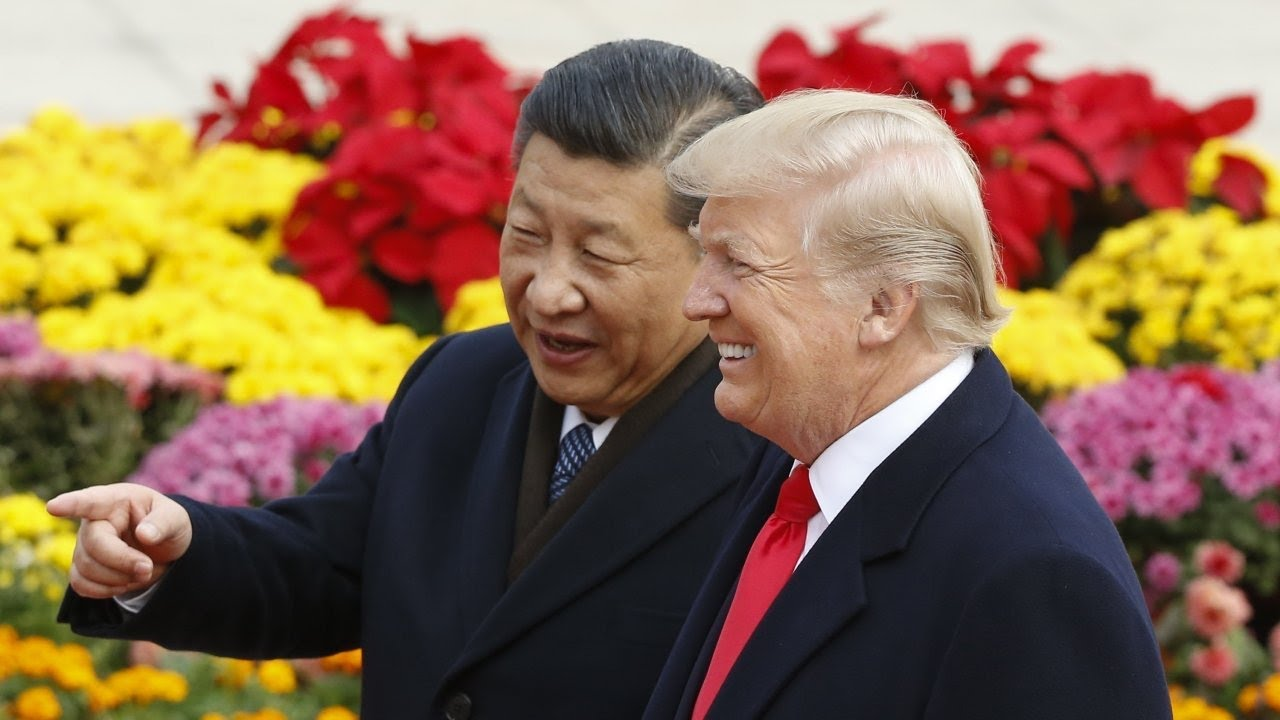
China’s top diplomat, Foreign Minister Wang Yi, expressed hope on Tuesday that the incoming Trump administration would collaborate with Beijing “in a mutually beneficial manner” despite ongoing tensions. Wang’s comments came hours after Donald Trump remarked that the COVID-19 pandemic had strained his relationship with Chinese President Xi Jinping, whom he once considered a “friend.”

“We hope the new U.S. administration will make the right choice and work with China to remove disruptions and overcome obstacles,” Wang stated during a forum in Beijing, according to his ministry’s statement.

Trump, addressing reporters at his Mar-a-Lago resort, reflected on his past relations with Xi, acknowledging the pandemic as a breaking point. “We had a very good relationship until COVID,” Trump said. “COVID didn’t end the relationship, but it was a bridge too far for me.” Trump avoided confirming whether Xi would attend his inauguration but emphasized the importance of U.S.-China ties: “China and the United States can together solve all of the problems of the world.”

Trump’s Second Term Agenda and Beijing’s Strategy

Trump has signaled a more confrontational stance toward China as he prepares for his second term. His campaign promises include imposing a 10% tariff on Chinese goods and additional levies exceeding 60% to pressure China on issues like stopping fentanyl exports to the U.S. Trump has also pledged to revoke China’s most-favored-nation trade status—a move that could reshape bilateral trade dynamics.

In response, analysts suggest China is preparing to amass bargaining chips to engage with Trump’s administration on contentious issues such as trade, technology, and investment. Beijing has shown readiness to push back, with Wang Yi emphasizing China’s firm stance: “We firmly oppose the illegal and unreasonable suppression of China by the U.S., particularly on matters like Taiwan.”

Sanctions and Hard-Line Appointments

The diplomatic environment remains volatile as Trump’s choice of China hawks for key positions signals an aggressive approach. Republican Senator Marco Rubio, Trump’s nominee for Secretary of State, remains under Chinese sanctions imposed in 2020. Rubio’s prior criticism of Beijing raises questions about how his role would affect bilateral engagement.

China’s move to quietly remove a January 2021 statement sanctioning 28 Trump administration officials from its foreign ministry website has further fueled speculation. When asked about this development, Chinese Foreign Ministry spokesperson Lin Jian declined to comment, stating he had “no information to offer.”

Mutual Posturing, Cautious Optimism

Despite the confrontational rhetoric, both sides have hinted at opportunities for collaboration. Trump’s remarks acknowledged the global importance of U.S.-China cooperation, while China continues to position itself for negotiations that balance engagement with resistance to U.S. policies it deems provocative.

As Trump prepares for a second term, Beijing appears both prepared to push back against hard-line policies and cautiously optimistic about finding common ground to stabilize bilateral relations.