China Plans Record Budget Deficit of 4% of GDP in 2025 to Counter Economic Headwinds

China’s leaders have agreed to raise the budget deficit to 4% of GDP in 2025, the highest on record, while maintaining an economic growth target of around 5%, according to two sources familiar with the matter. This decision, aligned with a “more proactive” fiscal policy, emerged from last week’s Central Economic Work Conference (CEWC) and December’s Politburo meeting, although the targets remain unofficial.

The proposed increase in deficit, up from the 2024 target of 3%, translates to an additional 1.3 trillion yuan ($179.4 billion) in spending. A significant portion of this fiscal stimulus will be funded by issuing off-budget special bonds, the sources noted. These plans, which could still change, are typically announced officially during the annual parliament meeting in March.

The ramped-up fiscal measures aim to cushion China’s economy from challenges, including a severe property crisis, mounting local government debt, and weak consumer demand. Analysts also point to the anticipated U.S. tariff hikes under a Trump administration as a key risk, with levies expected to exceed 60% on Chinese imports.

China’s exporters, who ship over $400 billion worth of goods annually to the U.S., fear the tariffs could shrink profits, hurt job creation, and amplify economic woes. Analysts warn this could exacerbate industrial overcapacity and intensify deflationary pressures. Some manufacturers have already started relocating production abroad to sidestep trade penalties.

Fiscal Stimulus and Monetary Policy
The CEWC emphasized “steady economic growth” through increased fiscal spending and further issuance of government debt. China’s central bank is expected to adopt an “appropriately loose” monetary policy stance, replacing its 14-year-long “prudent” approach. This shift raises expectations for interest rate cuts and liquidity injections, signaling a dual focus on fiscal and monetary easing.

Morgan Stanley predicts a 2-trillion-yuan fiscal expansion, combining a modest increase in off-budget bonds and a wider deficit. Analysts suggest the 5% GDP target is more about guiding economic expectations and restoring business confidence than imposing a hard constraint.

Yuan Strategy
To mitigate the impact of U.S. tariffs, China may consider allowing the yuan to weaken in 2025, as reported last week. While this move could support exporters, China has reiterated its pledge to maintain the currency’s “basic stability at a reasonable and balanced level,” consistent with CEWC statements from previous years.

Facing external and domestic headwinds, China’s record fiscal expansion highlights its commitment to propping up growth and stabilizing the economy amid rising geopolitical uncertainties and structural challenges.

 

India’s Gold Imports Set to Plunge in December After Record High in November

India’s gold imports are expected to decline sharply in December following record purchases in November, as the absence of major festivals and rising prices prompt buyers to delay purchases, trade and government officials reported.

November witnessed a surge in imports, which more than doubled from the previous month, reaching a record $14.8 billion. This spike widened India’s trade deficit to an unprecedented level and pushed the rupee to a historic low. However, December is likely to see a 50% drop, with imports estimated at around $5 billion, according to industry sources.

Prithviraj Kothari, president of the India Bullion and Jewellers Association (IBJA), noted that November’s demand was driven by both investment and jewellery needs. “But now, things are cooling off, and imports are slowing down,” Kothari said.

The sharp rise in November imports was partially triggered by a price correction that prompted buyers to act. Local gold prices fell to ₹73,300 ($863) per 10 grams in mid-November, down from the October record of ₹79,775, making it attractive for buyers. However, prices rebounded in December, discouraging further purchases, according to a Mumbai-based bullion dealer.

Dealers also reported fewer gold consignments arriving for clearance this month compared to November. Weak demand has led to Indian dealers offering discounts of up to $8 per ounce over official domestic prices, which include 6% import duty and 3% sales levies. In contrast, last month, dealers charged premiums of up to $16 per ounce.

Robust investment demand in November stemmed from gold’s stronger returns compared to the stock market. India’s NSE Nifty 50 index dropped 11% from its record high in late September, falling to 23,263.15 points in November.

Festive season purchases also contributed to November’s record imports. Jewellers sought to replenish stocks following strong demand during festivals like Dussehra and Diwali, said Amit Modak, CEO of PN Gadgil & Sons.

With December lacking similar festive demand and higher prices discouraging buying, gold imports are set to decline significantly, which could help narrow India’s trade deficit and offer support to the struggling rupee.


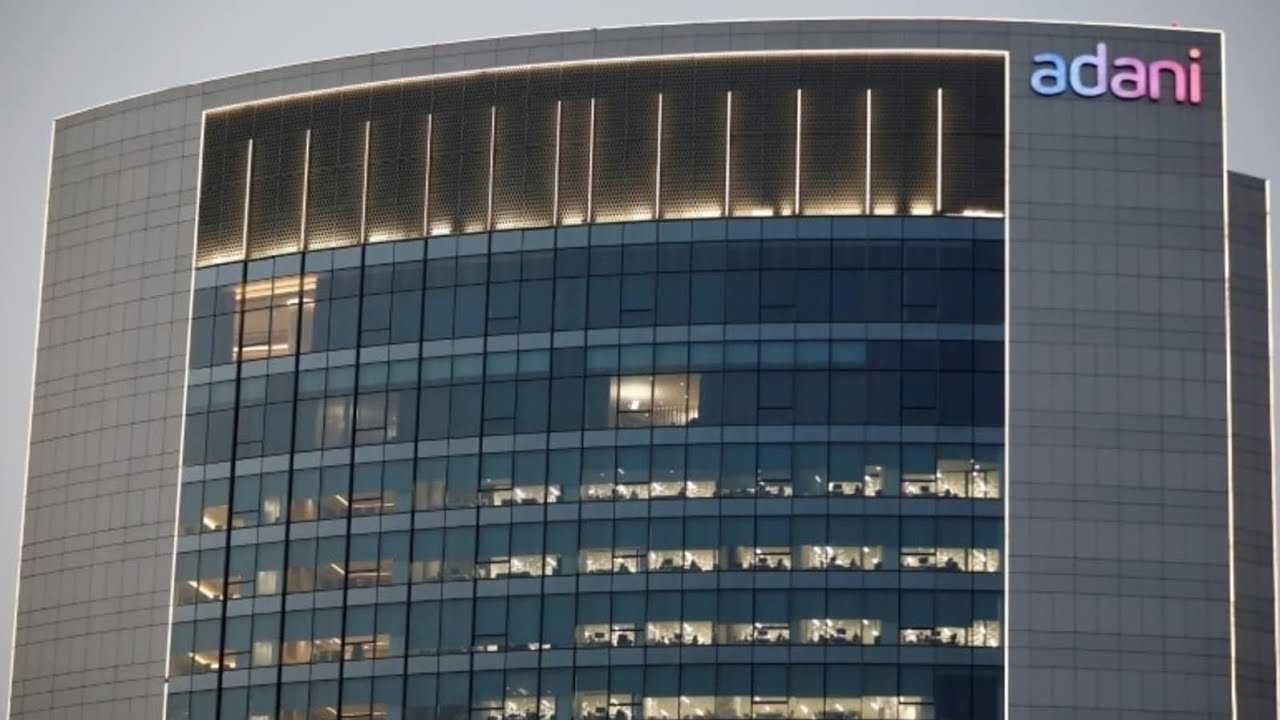
Adani Solar Deal Under Bribery Scrutiny Approved Despite Officials’ Warnings

The approval of a $490 million solar power deal in Andhra Pradesh, linked to Adani Green and now under U.S. bribery scrutiny, occurred despite warnings from finance and energy officials, according to records and interviews reviewed by Reuters.

The deal began on September 15, 2021, when the Solar Energy Corporation of India (SECI) unexpectedly approached the state government with an offer for India’s largest renewables contract. Despite Andhra Pradesh’s 2019 energy forecast showing no immediate need for solar power, the state cabinet led by then-Chief Minister YS Jagan Mohan Reddy gave the deal preliminary approval the next day.

By December 1, 2021, Andhra Pradesh signed a procurement agreement with SECI for 7,000 megawatts of solar power, 97% of which would go to Adani Green. The unusually swift approval—57 days from SECI’s approach to regulatory consent—has drawn attention, with critics describing the pace as highly irregular.

The U.S. Department of Justice indicted Adani and seven others in November, alleging that $228 million in bribes were offered to influence Andhra Pradesh’s decision to purchase the solar power. While Adani Group has denied all allegations as “baseless,” state and federal documents reveal that political leaders ignored financial warnings.

Finance and energy officials had raised concerns over the deal’s cost and timing. The finance department warned on October 28, 2021, that falling solar prices would make future contracts cheaper and questioned the need for a 25-year agreement, given that supply would begin only in 2024. Additionally, the department noted Andhra Pradesh had significant leverage as the buyer.

Despite this advice, the cabinet proceeded with the deal, “overruling the finance remark,” according to meeting minutes. Andhra Pradesh agreed to a rate of 2.49 rupees per kilowatt-hour, but analysts suggest the price will rise by as much as 23% after taxes and duties.

Delays in grid availability have postponed the supply date beyond 2024, according to Adani Green. Meanwhile, the new government under Chief Minister N. Chandrababu Naidu is considering suspending the agreement due to the U.S. indictment of Adani. A decision is expected by year-end.

Should the deal proceed, Andhra Pradesh’s treasury faces hundreds of millions of dollars in annual payments, equivalent to its social security and nutrition program spending for the previous fiscal year.