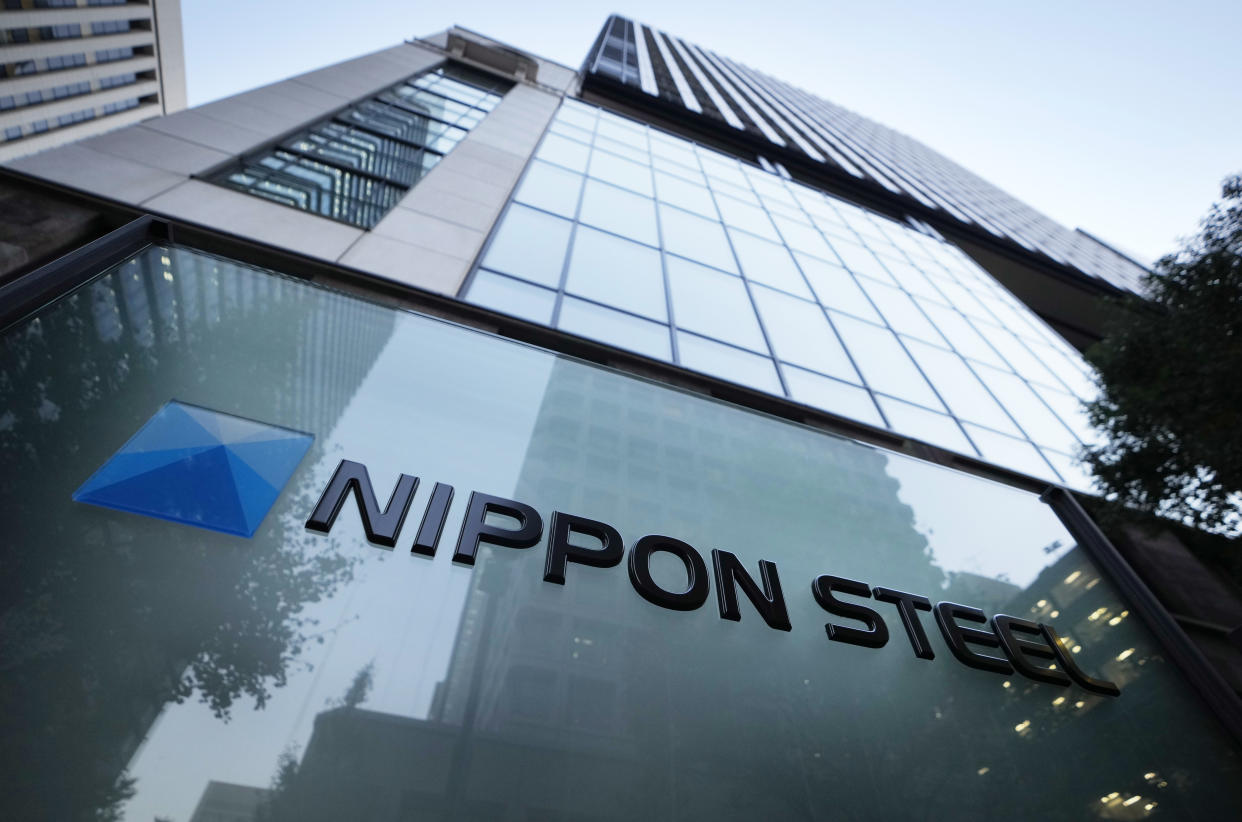
US Foreign Investment Panel Deadlocked Over Nippon-U.S. Steel Deal

The U.S. Treasury has informed Japan’s Nippon Steel that the Committee on Foreign Investment in the U.S. (CFIUS) has yet to reach a consensus regarding its proposed $14.9 billion acquisition of U.S. Steel, according to a report by the Financial Times on Sunday.

The Treasury, which leads the CFIUS review process, reportedly sent a letter to both companies on Saturday, indicating that the nine-member panel remains divided on how to address security concerns raised by the deal. The committee is approaching a Dec. 22 deadline to decide whether to approve, block, or extend the review timeline for the acquisition.

CFIUS, which assesses foreign investments for potential national security risks, has expressed reservations about the deal. In September, the panel warned both Nippon Steel and U.S. Steel that the acquisition posed risks to the U.S. steel supply chain, particularly in sectors critical to transportation, construction, and agriculture.

The proposed acquisition has faced significant political pushback. Both President Joe Biden and his successor, Donald Trump, have signaled their opposition to the deal, further complicating its prospects.

While neither U.S. Steel nor CFIUS has commented on the Financial Times report, Nippon Steel declined to provide a statement. The deal’s future remains uncertain, as the CFIUS panel weighs the implications for national security amid ongoing scrutiny of foreign investments in critical industries.

U.S. Secures Preliminary $225M Deal with Bosch for Chip Production Grants

The U.S. Commerce Department announced a preliminary agreement with German auto supplier Bosch for up to $225 million in subsidies to manufacture silicon carbide (SiC) power semiconductors in California. These semiconductors are vital for electric vehicles and other industries.

The funding will contribute to Bosch’s planned $1.9 billion investment to upgrade its Roseville, California, facility to produce SiC power chips. Additionally, the department has proposed offering Bosch approximately $350 million in government loans to support the project.

This initiative draws from the $52.7 billion fund established in 2022 to bolster U.S. semiconductor production and research. Bosch aims to begin producing SiC chips on 200-millimeter wafers at the Roseville facility by 2026. These chips are key components in automotive, telecommunications, and defense sectors, helping improve energy efficiency in electric vehicle (EV) operations and charging.

The agreement follows Bosch’s acquisition of TSI Semiconductors in 2023, a move Bosch indicated would depend heavily on federal funding. Bosch, like other automotive suppliers, faced significant challenges during the semiconductor production disruptions in Asia exacerbated by the COVID-19 pandemic.

This deal comes shortly after a similar preliminary agreement in October with Wolfspeed for $750 million in grants for a silicon carbide wafer plant in North Carolina. Once fully operational, the Bosch facility could account for over 40% of U.S.-based SiC device manufacturing capacity, the department stated.

Paul Thomas, Bosch North America’s president, highlighted that the Roseville facility will enable local production of silicon carbide semiconductors, supporting U.S. electrification goals. California Representative Doris Matsui, a co-author of the 2022 semiconductor funding law, praised the grant, emphasizing its role in advancing clean mobility and electric vehicle technologies.


Japan Airlines Introduces Luggage Delivery Service to Ease Tokyo Transit Overcrowding

Japan Airlines (JAL) has launched a new luggage delivery service designed to ease congestion on Tokyo’s overcrowded public transportation system while enhancing the convenience of travel for visitors. The service, offered at Haneda Airport, allows travelers to have their bags delivered directly to their hotels for a fee of 4,500 yen (approximately $30) per bag.

The initiative aims to address multiple urban challenges, including overburdened mass transit, limited luggage storage options, and the growing number of tourists visiting Tokyo. JAL guarantees same-day delivery of suitcases to participating hotels, barring delays caused by weather or traffic.

In a statement, JAL explained, “The ‘Baggage-Free’ travel service from Haneda Airport aims to address social issues such as congestion in public transportation and the shortage of storage lockers, providing a more convenient travel experience for tourists.”


SERVICE DETAILS

  • Availability: The service operates daily from 4 a.m. to 6 p.m. at Haneda Airport’s Terminal 3 arrivals hall.
  • Eligible Destinations: Deliveries are currently limited to hotels in 14 of Tokyo’s 23 wards, including popular tourist hubs such as Shinjuku, Shibuya, and Chuo (home to the Ginza shopping district). The airline plans to expand the coverage area in the future.
  • Eligibility: Open to all travelers, including non-JAL flyers and Japanese residents, though delivery is restricted to hotel accommodations and excludes Airbnbs, private homes, or rental apartments.
  • Incentives: JAL flyers using the service earn 50 frequent flyer points.

CONTEXT AND FUTURE PLANS

This initiative follows a significant increase in tourism since Japan lifted pandemic restrictions. In July 2024 alone, Japan welcomed a record 3.3 million foreign tourists, according to the Japanese National Tourism Organization (JNTO). The surge has exacerbated issues such as overcrowding on public transport in Tokyo and limited storage facilities for luggage.

In response, Japanese authorities and tourism officials have encouraged visitors to explore less-traveled regions of the country. Earlier this year, JAL also introduced free domestic connecting flights for North American travelers to promote regional tourism.

By combining customer convenience with urban planning goals, JAL’s luggage delivery service aims to offer a seamless travel experience while addressing critical infrastructure challenges in Tokyo.