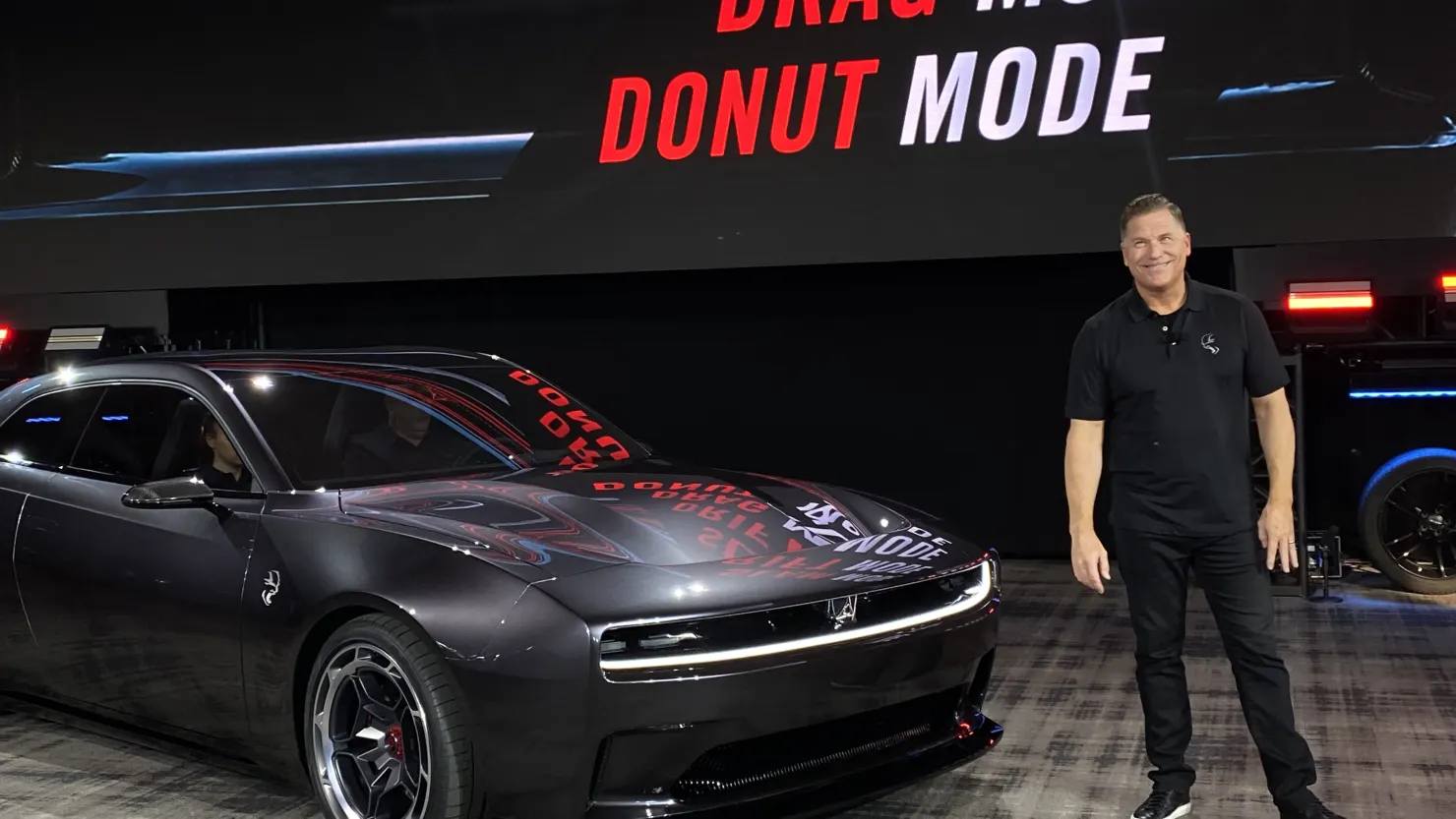
Tim Kuniskis Rejoins Stellantis to Lead Ram Brand After CEO’s Exit

Tim Kuniskis, a prominent Stellantis executive, is returning to the automaker with immediate effect, CNBC has confirmed. Kuniskis, who retired in May, will resume leadership of the Ram Trucks brand, according to sources familiar with the decision. The announcement, which was shared with Stellantis employees on Monday, follows the unexpected resignation of CEO Carlos Tavares just a week earlier, amid challenges in the company’s North American market.

In a statement, Stellantis emphasized that the restructuring would help the company achieve better results in the region and capitalize on the potential of the Ram brand. The company noted that having a CEO dedicated solely to Ram would be a key part of this strategy.

Kuniskis is well-regarded for his previous leadership of the Ram and Dodge brands at Stellantis. He is especially recognized for his role in bringing the high-performance Hellcat models to Dodge, helping the brand become synonymous with American muscle cars. Kuniskis also led the introduction of the Hellcat-powered Ram TRX pickup truck, further cementing his legacy as a key figure in Stellantis’ North American operations.

His return is part of broader changes within Stellantis’ North American leadership. Chris Feuell will now oversee both Chrysler and Alfa Romeo, while Jeff Kommor will focus solely on North American sales. Meanwhile, Larry Dominique, previously in charge of Alfa Romeo for North America, is set to depart.

Kuniskis’ return to Stellantis comes at a time when the company is grappling with a decline in U.S. sales, particularly for the Ram brand, which saw a 24% drop in sales through the third quarter of 2024.
 

Reserve Bank of Australia Adopts Dovish Stance, Shocking Markets

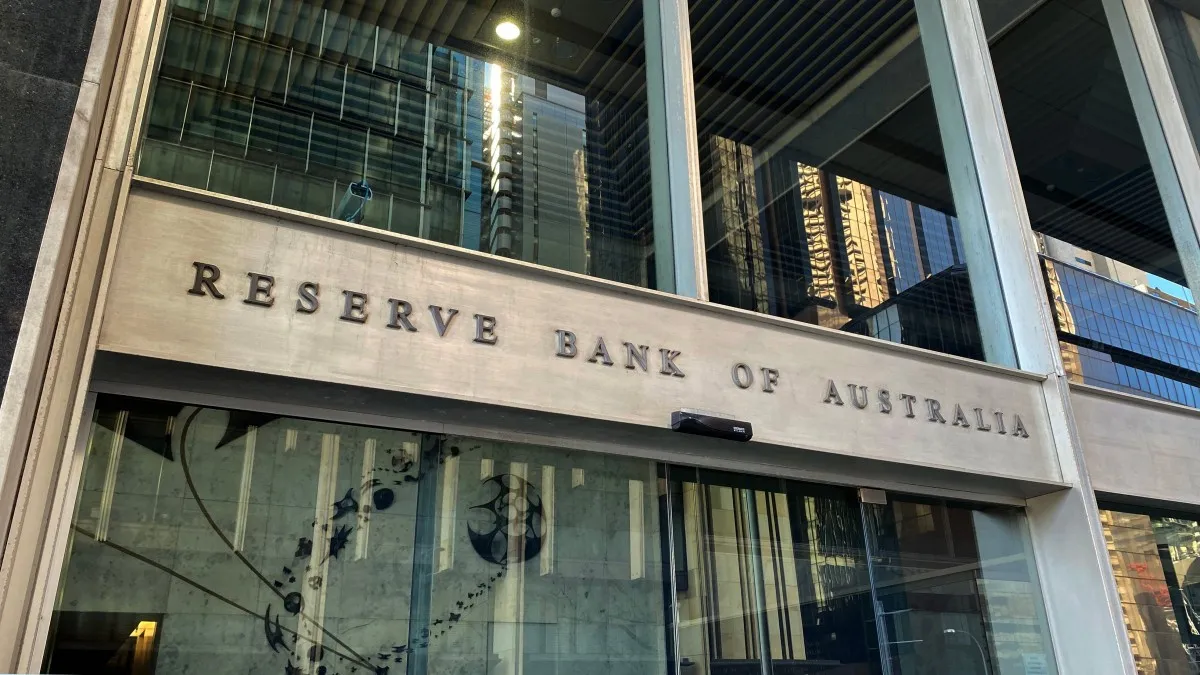
In its final meeting of 2024, the Reserve Bank of Australia (RBA) decided to leave interest rates unchanged, signaling a shift towards a more dovish approach. The central bank noted that it was gaining “some confidence” that inflation was gradually moving back toward its target, easing previous concerns about the need for further tightening.

Following the announcement, the Australian dollar dropped 0.8%, falling to $0.6380, while three-year bond futures surged, reaching their highest point since October. Market expectations now indicate a potential rate cut in February, with a full rate easing priced in by April.

The RBA maintained its cash rate at 4.35%, the level it has held throughout 2024. The statement issued by the central bank notably omitted previous language about keeping policy restrictive, further suggesting a shift in tone. Governor Michele Bullock had previously stated that inflation remained too high for a near-term rate cut, but the latest statement highlighted confidence that inflation was trending back toward the target band of 2-3%.

While the RBA’s policy stance has remained unchanged for over a year, with the current rate being significantly higher than the pandemic-era 0.1%, there are signs of economic slowdowns. Weak third-quarter growth data, a lack of expected consumer spending rebound, and soft business conditions — as reflected in a National Australia Bank survey — suggest the economy is not picking up pace as anticipated.

Markets had anticipated a potential dovish pivot after these economic indicators, raising questions about future rate cuts in the first quarter of 2025.

China’s Car Sales Surge in November, EVs Lead the Charge

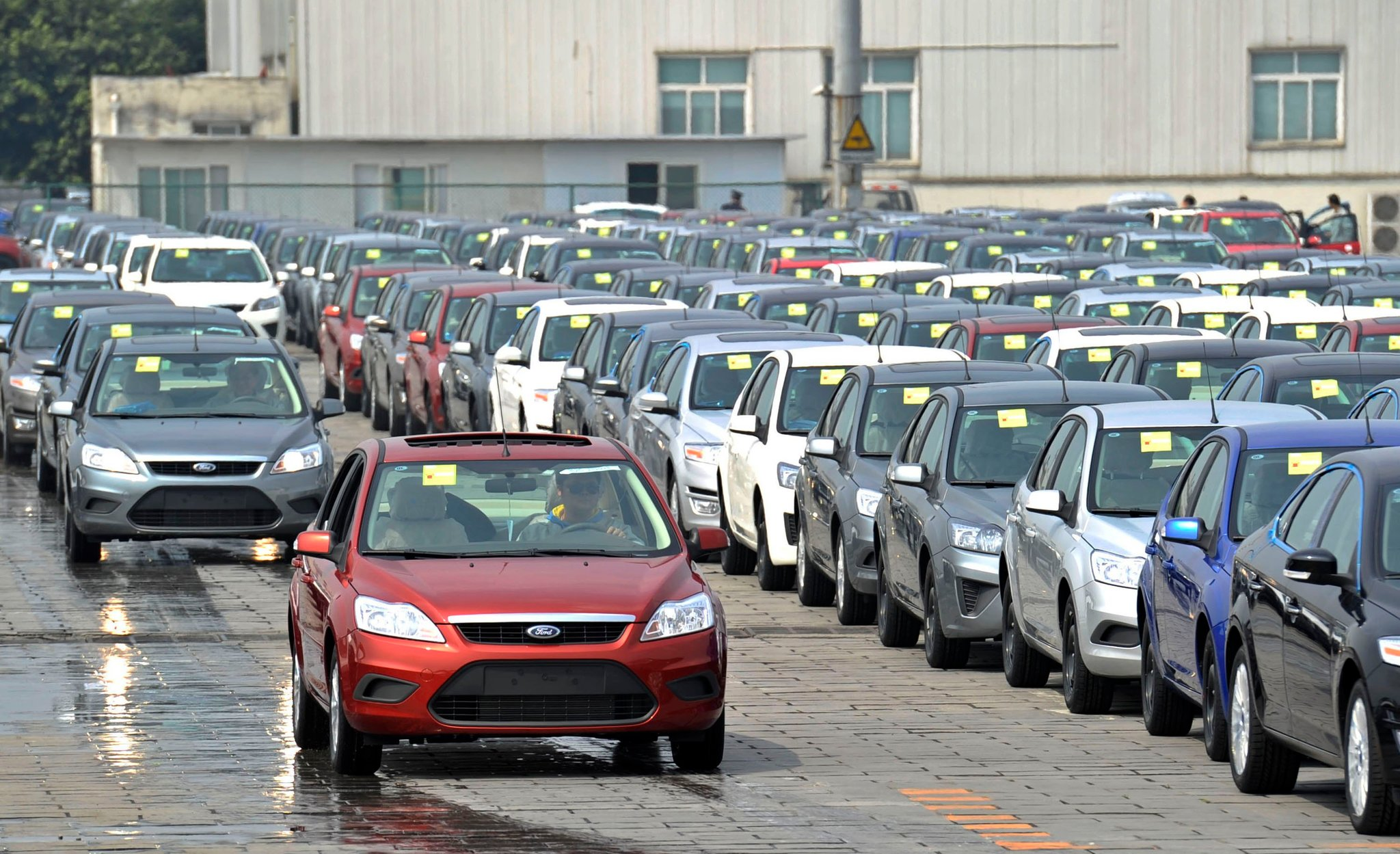
China’s car sales surged 16.6% in November compared to the same period last year, marking the fastest growth since January. This increase, which saw a total of 2.45 million vehicles sold, is driven by a rise in government-subsidized auto trade-ins as the year draws to a close. For the first 11 months of 2024, total car sales have increased by 4.4% year-on-year, reflecting a steady recovery in the market.


Electric Vehicles Dominate

Electric vehicles (EVs), plug-in hybrids, and extended-range vehicles saw a remarkable 50.5% increase in sales, now accounting for 51.8% of total car sales in the country. This marks the fifth consecutive month that battery-powered cars, including plug-ins, have outsold traditional gasoline-powered vehicles in China, the world’s largest car market.