
JetBlue Cuts Unprofitable Routes and Adjusts Europe Service to Boost Profitability

JetBlue Airways announced on Wednesday that it will cut additional unprofitable routes, adjust its European service, and redeploy aircraft with high-value Mint business class cabins to improve its financial performance. The airline aims to streamline its operations and focus on markets with higher demand to achieve consistent profitability.

Among the most notable changes, JetBlue will halt service between Fort Lauderdale, Florida, and Jacksonville, Florida, as well as several routes from New York’s John F. Kennedy International Airport (JFK) to Austin, Texas; Houston, Texas; Miami; and Milwaukee, Wisconsin. The carrier will also discontinue flights from Westchester, N.Y., and Milwaukee, along with ending service to San Jose, California.

One significant change includes the removal of planes equipped with Mint business class from Seattle flights in April. JetBlue stated that it will also cease its JFK-Miami route due to profitability issues in Miami, where legacy carriers like American Airlines and Delta dominate the market. However, the airline will continue to serve Miami from Boston.

“Florida remains a strong geography for JetBlue, but post-COVID, we haven’t been profitable in Miami due to the dominance of legacy carriers,” said Dave Jehn, JetBlue’s vice president of network planning, in a staff memo.

In terms of European operations, JetBlue revealed plans to adjust its service offerings. Starting in the summer 2025 season, it will drop its second daily JFK-Paris flight and the seasonal JFK-London Gatwick route. The carrier is also preparing to announce new European service options next week.

These operational adjustments come after JetBlue reported better-than-expected revenue and bookings for November and December, resulting in an 8% increase in shares on Wednesday. CEO Joanna Geraghty and her leadership team are focusing on cutting unprofitable routes, particularly on the West Coast, and mitigating the impact of engine issues related to Pratt & Whitney engines, while also adapting to post-pandemic demand shifts.

JetBlue assured affected customers that they would be offered alternate flight options or refunds if no other routes were available.

“We’ve made network adjustments in certain markets, removing underperforming flights and reallocating resources, including Mint service, to high-demand markets and new opportunities,” JetBlue said in a statement.
 

Shell and Equinor to Create Britain’s Largest Independent Oil and Gas Company in Joint Venture

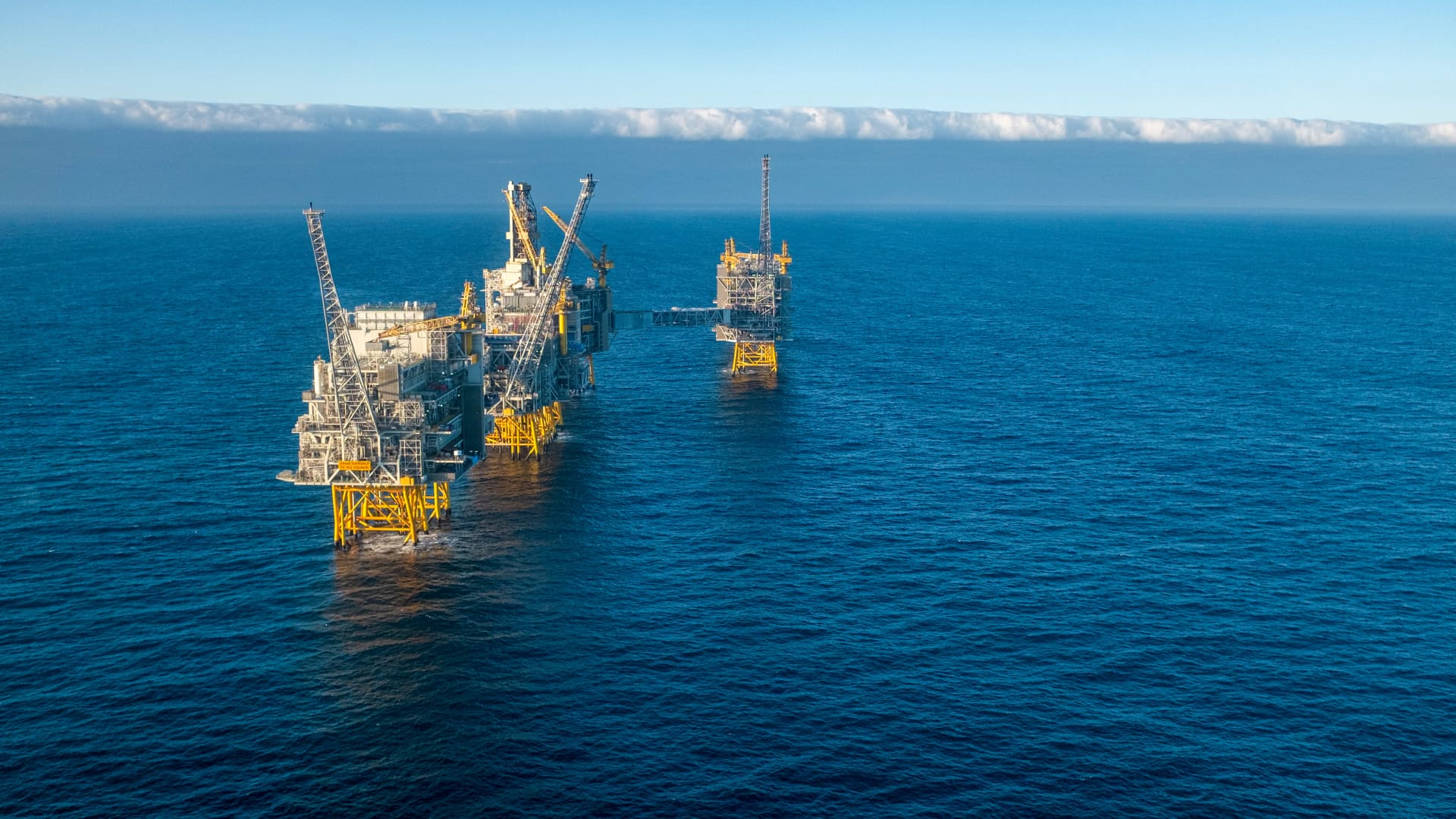
Oil giants Shell and Equinor have unveiled plans to merge their U.K. offshore oil and gas operations into a new joint venture, marking the creation of the largest independent oil and gas company in the U.K.

Details of the Joint Venture

The companies aim to establish the venture in Aberdeen, Scotland, by the end of 2025, pending regulatory approvals. This move is designed to maintain fossil fuel production and ensure the stability of the U.K.’s energy supply. Once completed, the venture will become the largest independent producer in the U.K. North Sea, according to Shell.

The combined entity is expected to produce over 140,000 barrels of oil equivalent per day by 2025. While Shell’s stock saw a slight dip of 0.8%, Equinor’s share price rose by 0.3% following the announcement.

Strategic Rationale

Shell’s Zoë Yujnovich emphasized that domestically produced oil and gas will continue to play a vital role in the U.K.’s energy future. She added that the joint venture will contribute significantly to the country’s energy transition, supplying heat for homes, power for industries, and fuels for everyday use.

The new venture will bring together Equinor’s assets in Mariner, Rosebank, and Buzzard, alongside Shell’s holdings in Shearwater, Penguins, Gannet, Nelson, Pierce, Jackdaw, Victory, Clair, and Schiehallion. Equinor currently employs 300 staff in the U.K., while Shell has around 1,000 employees across its oil and gas operations in the country.

Philippe Mathieu, Equinor’s executive vice president for exploration and production, stated that the deal strengthens the company’s cash flow and enhances both companies’ abilities to secure the U.K.’s energy supply.

Economic and Strategic Considerations

Analysts, including Biraj Borkhataria of RBC Capital Markets, highlighted the potential for significant “tax synergies” between the two companies, especially in light of recent changes to the U.K. government’s fiscal policy on oil and gas.

In the context of higher windfall taxes, which could curtail investment in North Sea development, combining resources makes strategic sense, allowing Shell and Equinor to pool their expertise and assets while reducing their capital focus in the region. This mirrors moves by other companies like Eni, which have adjusted their strategies in response to the challenging U.K. market.

French Prime Minister Michel Barnier Resigns Amid Deepening Political Crisis

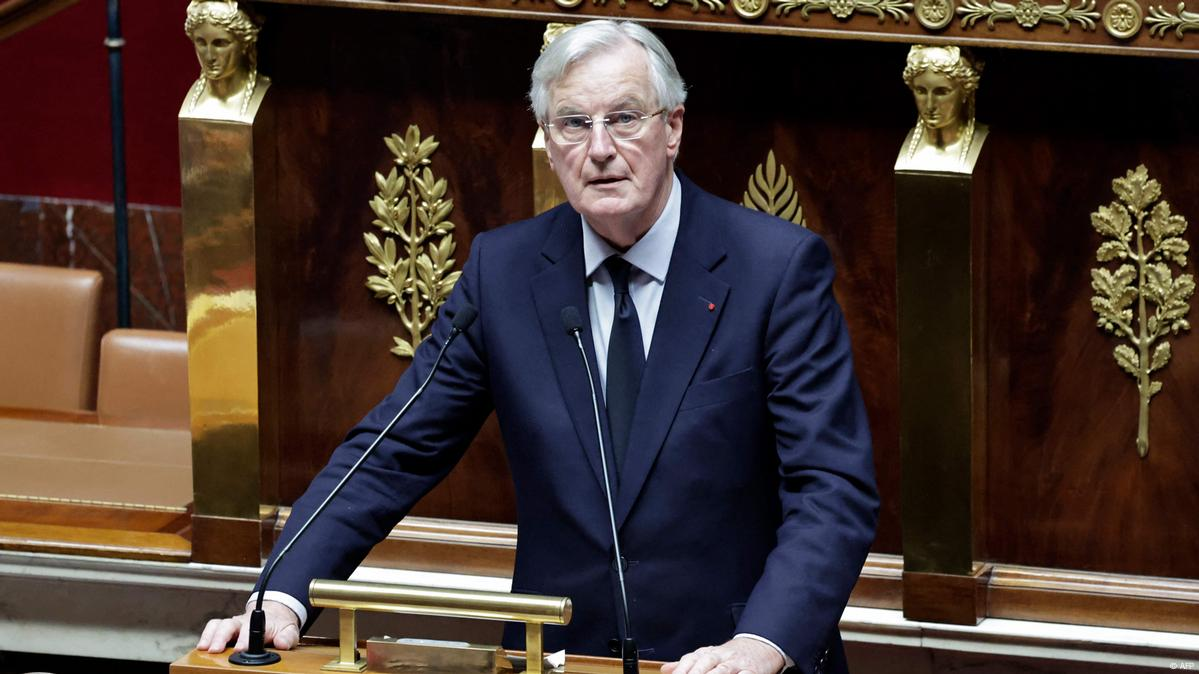
French Prime Minister Michel Barnier announced his resignation on Thursday following a no-confidence vote by far-right and left-wing lawmakers, further plunging France into political turmoil. His tenure will be the shortest in modern French history, ending as he formally submits his resignation at 10 a.m. local time (0900 GMT).

The no-confidence vote was a response to Barnier’s attempt to push through a controversial budget proposal without parliamentary approval. The proposed budget aimed to cut €60 billion ($63 billion) to reduce France’s widening deficit, a move criticized by Marine Le Pen’s far-right National Rally for disproportionately impacting working-class citizens.

A Crisis in Leadership

Barnier’s resignation marks a historic political moment, with no French government losing a confidence vote since Georges Pompidou’s administration in 1962. The crisis highlights growing divisions within French politics, as well as the diminished authority of President Emmanuel Macron, who has faced mounting calls to step down. An online poll conducted after the vote revealed that 64% of voters believe Macron should resign, though his mandate extends until 2027, and he cannot be forced out of office.

The political chaos stems from Macron’s contentious decision to call a snap election in June, leaving the current parliament fractured and unruly. Marine Le Pen blamed Macron for the ongoing instability, saying, “The dissolution [of parliament] and censorship [of the government] are the consequence of his policies and the considerable divide between him and the French.”

Economic and Political Fallout

The no-confidence vote has left France without a stable government or an approved budget for 2025. While the constitution allows for special measures to prevent a government shutdown, uncertainty over leadership is expected to weigh heavily on the economy. French sovereign bonds and stocks have already felt the impact, with the risk premium on French debt reaching its highest level in over 12 years.

Analysts at Société Générale warned that prolonged political uncertainty could dampen investment and consumer spending. “Until potential new elections, ongoing political uncertainty is likely to keep the risk premium on French assets elevated,” the analysts noted.

Xavier Bertrand, a prominent conservative politician, expressed frustration over the situation. “It’s as if the two extremes, [the hard-left] France Unbowed and the National Rally, have become the center of political life,” he remarked.

A Race to Restore Stability

President Macron is reportedly aiming to appoint a new prime minister swiftly, with sources suggesting an announcement could come before Saturday’s Notre-Dame Cathedral reopening ceremony, which U.S. President-elect Donald Trump is scheduled to attend. However, any new premier will face the same challenges in navigating a deeply divided parliament, where new elections cannot be held until July.

The broader implications extend beyond France, as the political upheaval adds to the European Union’s existing challenges, including Germany’s coalition government collapse. With critical economic policies on hold and widespread voter dissatisfaction, the crisis underscores the growing polarization in France’s political landscape.