Binance CEO Says Global Headquarters Location Still Undecided

Binance, the world’s largest cryptocurrency exchange, has yet to decide where to establish its global headquarters, according to CEO Richard Teng. The decision has been long anticipated, but Teng emphasized that the issue remains complicated due to various factors. In an interview during the Abu Dhabi Finance Week conference, Teng explained that tax laws and the ability to attract talent would play a significant role in the choice of location. Binance is in ongoing discussions with multiple jurisdictions, though specific locations were not disclosed.


Governance Improvements

The decision about Binance’s headquarters is seen as part of a broader effort to enhance the company’s transparency following legal issues with its former CEO, Changpeng Zhao (CZ), who pleaded guilty to violating U.S. money laundering laws earlier this year. As part of its governance overhaul, Binance appointed a new board of directors for the first time in its history, which now includes three independent members. Teng noted that Binance had shifted from a founder-led to a board-led company, though he still occasionally communicates with Zhao, who retains his shareholder rights.


Global Presence and Regulatory Outlook

Binance currently holds 20 licenses and registrations globally, including in Abu Dhabi and Dubai. The company has been focusing on improving corporate governance and transparency in response to past challenges. Teng expressed optimism about the future of cryptocurrency regulations, particularly in the U.S., with the incoming administration under President-elect Donald Trump expected to adopt a more lenient regulatory stance. Teng predicted that such a shift could encourage other nations to follow suit, further boosting the cryptocurrency sector.
BRICS Nations Have No Intent to Undermine U.S. Dollar, Says Indian Foreign Minister

India’s Foreign Minister, Subrahmanyam Jaishankar, emphasized on Saturday that the BRICS nations—comprising Brazil, Russia, India, China, and South Africa—have no intention of weakening the U.S. dollar. Speaking at an event in Doha, Qatar, Jaishankar sought to dispel concerns regarding the bloc’s monetary policies and intentions.

His comments come in the wake of U.S. President-elect Donald Trump’s ultimatum to BRICS countries. Trump recently demanded that the bloc refrain from creating or supporting an alternative currency to replace the dollar. Failure to comply, he warned, could result in the imposition of 100% tariffs on goods from BRICS member nations.

Context and Background

The U.S. dollar has long dominated global trade and financial markets, with BRICS countries occasionally proposing mechanisms to reduce dependence on it for international transactions. However, Jaishankar’s statement underscored India’s stance that BRICS aims to enhance multilateral cooperation without disrupting the global economic order.

“The BRICS framework has always focused on promoting shared growth and balanced trade partnerships, rather than challenging existing systems,” Jaishankar stated.

Trump’s Stance on BRICS and Global Currency

Trump’s sharp rhetoric reflects his administration’s broader concerns about potential threats to the dollar’s supremacy in global trade. The president-elect has also consistently advocated for protective economic measures to shield the U.S. from perceived challenges posed by major emerging economies.

While some BRICS nations, particularly China and Russia, have explored alternatives to reduce dollar dependency—such as using local currencies for trade or discussing a potential BRICS currency—there has been no formal move to establish a competitor to the U.S. dollar.

India’s Diplomatic Position

India, as one of the leading voices within BRICS, has reiterated its commitment to global financial stability. Jaishankar stressed that any speculation about undermining the dollar is unfounded and counterproductive to fostering international economic cooperation.

The Indian foreign minister also hinted at the need for constructive dialogue between the U.S. and BRICS to address concerns rather than escalating tensions through unilateral measures like tariffs.

Russia’s Igor Sechin Praises Trump’s Plans to Defend U.S. Energy Producers

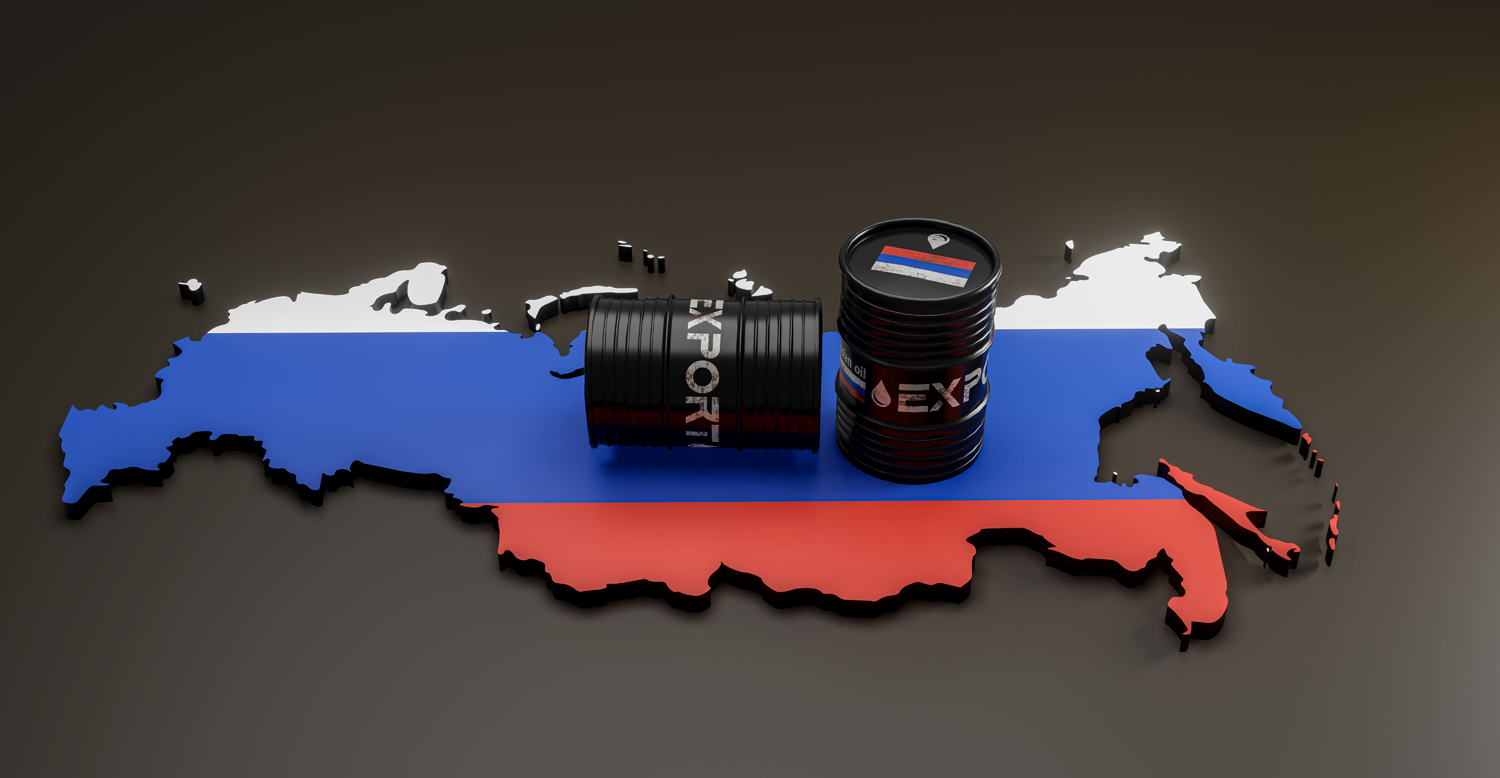
Igor Sechin, the CEO of Rosneft, Russia’s largest oil producer, expressed approval of U.S. President-elect Donald Trump’s campaign promises to support domestic energy production. Speaking at a conference in Qatar, Sechin described Trump’s proposed measures, including protecting U.S. energy producers and markets, as “fitting” economic policies.

Trump’s return to the White House on January 20 has elicited mixed reactions in Moscow. While some view his presidency with cautious optimism, others remain skeptical, suggesting that U.S.-Russia relations will not see significant changes despite a new administration. Relations between the two countries deteriorated to a post-Cold War low under President Joe Biden due to issues such as the Ukraine conflict.

Russian President Vladimir Putin congratulated Trump on his electoral victory, commending his courage in overcoming challenges, including a recent assassination attempt. Putin expressed Moscow’s readiness for dialogue with the incoming U.S. administration.

Energy and Trade Policies

Trump has pledged to prioritize U.S. domestic oil and natural gas production as part of his broader economic strategy. Sechin predicted that the Trump administration would remove restrictions on hydrocarbon production, reduce taxes, and shift investments from alternative energy sources to traditional energy sectors.

During his campaign, Trump also promised to impose significant tariffs on the U.S.’s largest trading partners—Canada, Mexico, and China. Critics warn these measures could provoke trade wars. Commenting on the potential fallout, Sechin remarked, “It’s not surprising that Canada, Mexico, China, and Europe will have to suffer. After all, Donald Trump is the president of the United States, not Mexico or Canada.”

Russia’s Outlook

Sechin’s remarks reflect a measured approval of Trump’s energy policies, which align with Russia’s interests as a major energy exporter. Both Rosneft and the Russian government could benefit from a global energy landscape that shifts focus back to hydrocarbons. However, the implications of Trump’s protectionist trade policies for global markets remain uncertain.