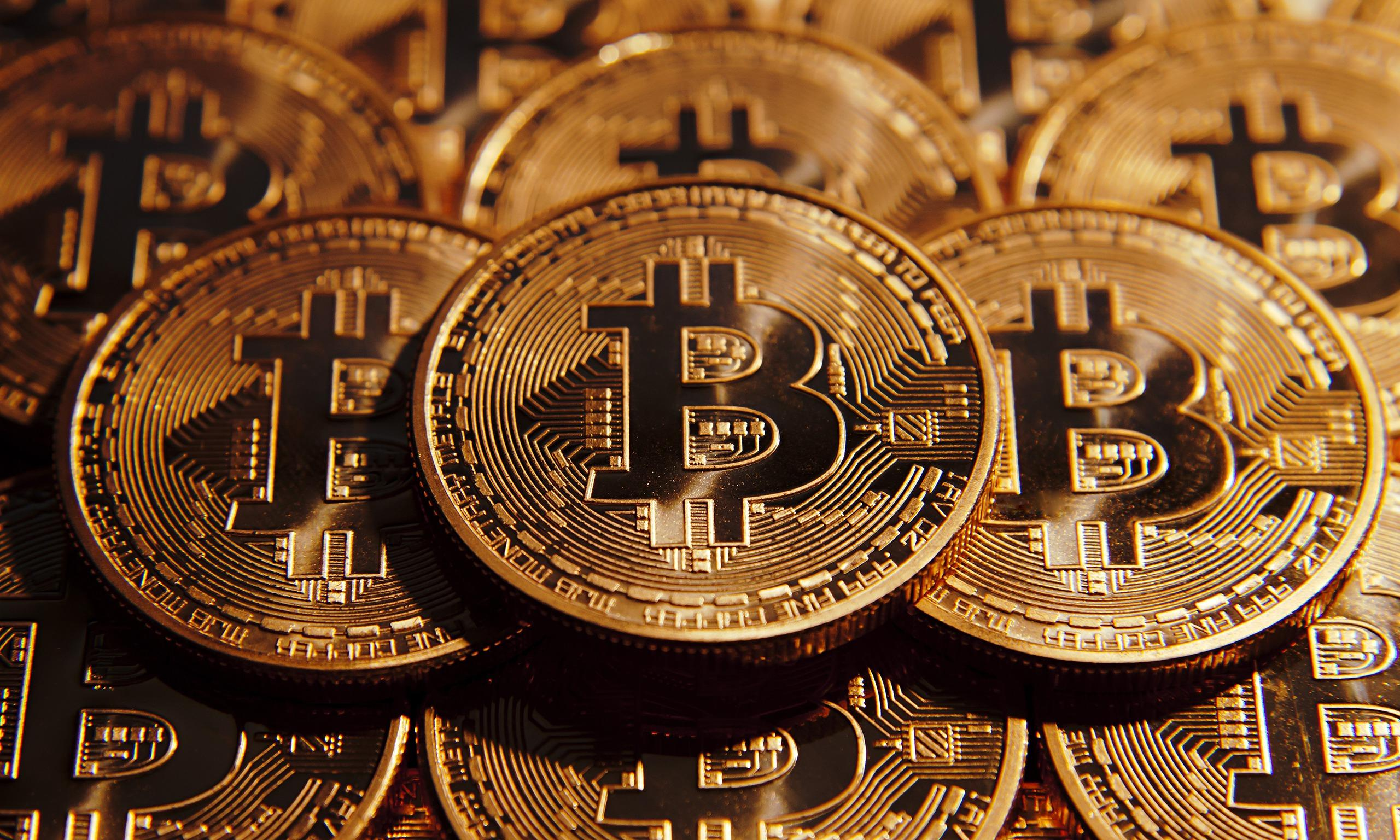
Bitcoin Surges Past $100,000 Amid Trump-Driven Crypto Optimism

Bitcoin crossed the $100,000 mark for the first time on Thursday, signaling a historic milestone for digital assets. The surge followed U.S. President-elect Donald Trump’s nomination of pro-crypto advocate Paul Atkins to lead the Securities and Exchange Commission (SEC), propelling Bitcoin to a record high of $103,619 before settling at $102,650.

The cryptocurrency market, now valued at nearly $3.8 trillion according to CoinGecko, has doubled in size this year, rivaling the market capitalization of tech giant Apple. Bitcoin, often viewed as the face of decentralized finance, has doubled its value in 2024 and surged more than 50% in the four weeks since Trump’s election victory, which brought a wave of crypto-friendly lawmakers into Congress.

Institutional Adoption and Regulatory Momentum

Industry experts describe this moment as a “paradigm shift” for digital assets. Mike Novogratz, CEO of Galaxy Digital, highlighted factors such as institutional adoption, tokenization advancements, and clearer regulatory frameworks as drivers of Bitcoin’s mainstream integration.

Trump’s campaign promises to make the U.S. a global leader in cryptocurrency, coupled with his pledge to accumulate a national Bitcoin reserve, have bolstered market optimism. Pro-crypto policies and the nomination of Atkins, known for his work on digital asset best practices, signal a more favorable regulatory landscape. The Blockchain Association praised Atkins as a key figure in ushering a “new wave of American crypto innovation.”

Institutional and Market Drivers

Institutional investors have played a significant role in Bitcoin’s rally. U.S.-listed Bitcoin exchange-traded funds (ETFs), approved in January 2024, have attracted over $4 billion since the election, accounting for approximately 3% of Bitcoin’s total supply this year. The normalization of digital assets in financial markets is becoming evident, with trading desks for cryptocurrencies emerging alongside traditional asset classes such as foreign exchange and commodities.

Bitcoin’s journey into six-figure territory also marks a dramatic recovery from its 2022 lows of under $16,000, following the collapse of the FTX exchange. Analysts note that the launch of Bitcoin futures in 2017 and the strong performance of BlackRock’s Bitcoin ETF options in November 2024 further demonstrate the financialization of the asset.

Crypto-related stocks have surged alongside Bitcoin’s rise. Companies like MARA Holdings and Coinbase saw their shares climb 65% in November, while MicroStrategy, which holds over 402,000 bitcoins, has gained 540% this year.

Criticism and Resilience

Despite its success, the cryptocurrency industry faces ongoing criticism. Concerns over energy consumption, crypto-related crime, and unfulfilled promises of transformative financial technology persist. On Wednesday, U.S. and U.K. authorities disrupted a cryptocurrency-based global money laundering ring tied to Russian elites and drug traffickers.

Still, Bitcoin’s resilience has drawn attention. Russian President Vladimir Putin remarked that its decentralized nature makes it immune to prohibition. Economists like Shane Oliver of AMP acknowledge Bitcoin’s momentum but admit its value remains difficult to assess, adding, “As time goes by, it’s proving itself as part of the financial landscape.”

The Road Ahead

As the Trump administration prepares to take office, the cryptocurrency market appears poised for further growth. Trump’s launch of World Liberty Financial in September, along with Elon Musk’s continued advocacy for digital assets, underscores the increasing prominence of cryptocurrencies in shaping future financial systems.
Thessaloniki’s New Metro Unveils Ancient Secrets While Modernizing City Transport

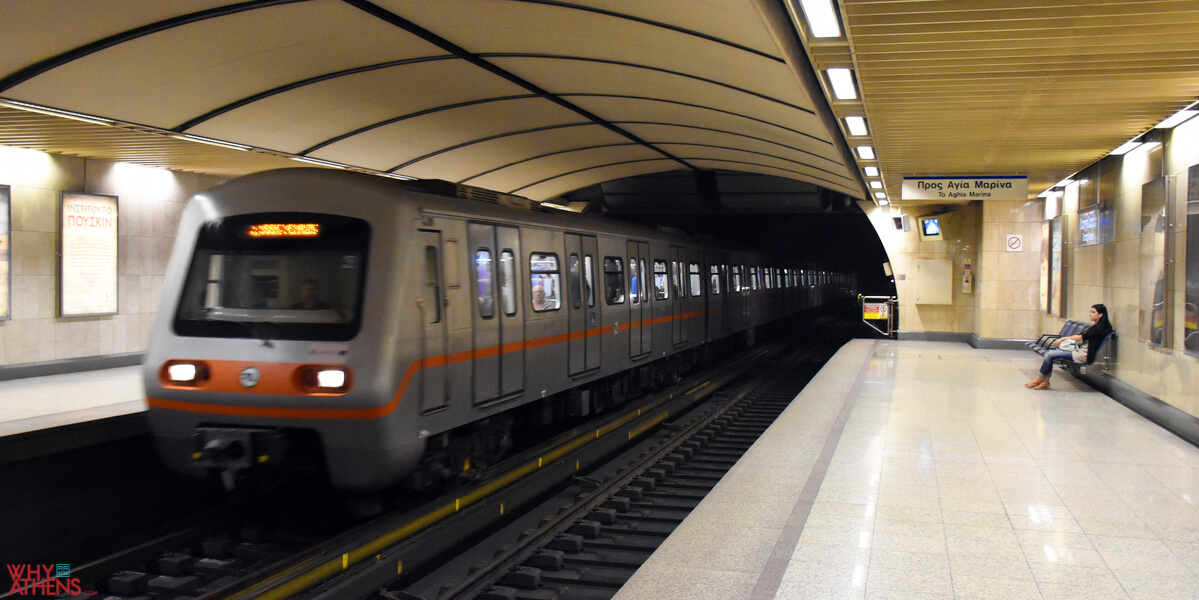
Thessaloniki, Greece’s northern metropolis, has unveiled its new underground metro system, a project decades in the making. The much-anticipated system, featuring driverless trains, officially opened on Saturday, drawing tens of thousands of eager passengers despite the rainy and blustery weather. The single subway line, which includes 13 stations, quickly became crowded with city residents eager to experience the new mode of transportation.

Greek Prime Minister Kyriakos Mitsotakis, accompanied by President Katerina Sakellaropoulou and Transport Minister Christos Staikouras, ceremonially launched the metro by pressing a blue button. Mitsotakis remarked that the project’s origins date back to the 1976 budget, with the first signs of progress appearing in 1999, when a banner at the city’s international trade fair proclaimed that the metro would soon be arriving. However, the project faced numerous delays due to legal disputes, real estate conflicts, and debates about the location of stations near significant archaeological sites. These setbacks contributed to a final cost of over 3 billion euros.

The city’s metro system is a significant milestone for Thessaloniki, Greece’s second-largest metropolitan area, which has been plagued by traffic congestion. The new system is expected to reduce daily car usage by 57,000 vehicles and is projected to serve 254,000 passengers daily within the city, with an additional 1 million from the suburbs. The metro’s impact is expected to be substantial, improving both local mobility and the environment.

At the Eleftherios Venizelos station, passengers can view some of the more than 300,000 archaeological artifacts uncovered during construction. These include remnants of the city’s busiest street from the 6th century, along with traces of the shops that lined it. While the removal of these findings for construction purposes sparked protests, temporary exhibitions under protective glass at various stations now allow visitors to view the artifacts.

Future plans include an eastward extension with five additional stations set to open in 2025, while a westward expansion is also in the works. However, the completion of the metro’s connection to Thessaloniki’s busy Macedonia Airport will take several more years.


Fuel Oil Smuggling Network Generates $1 Billion Annually for Iran and Proxies

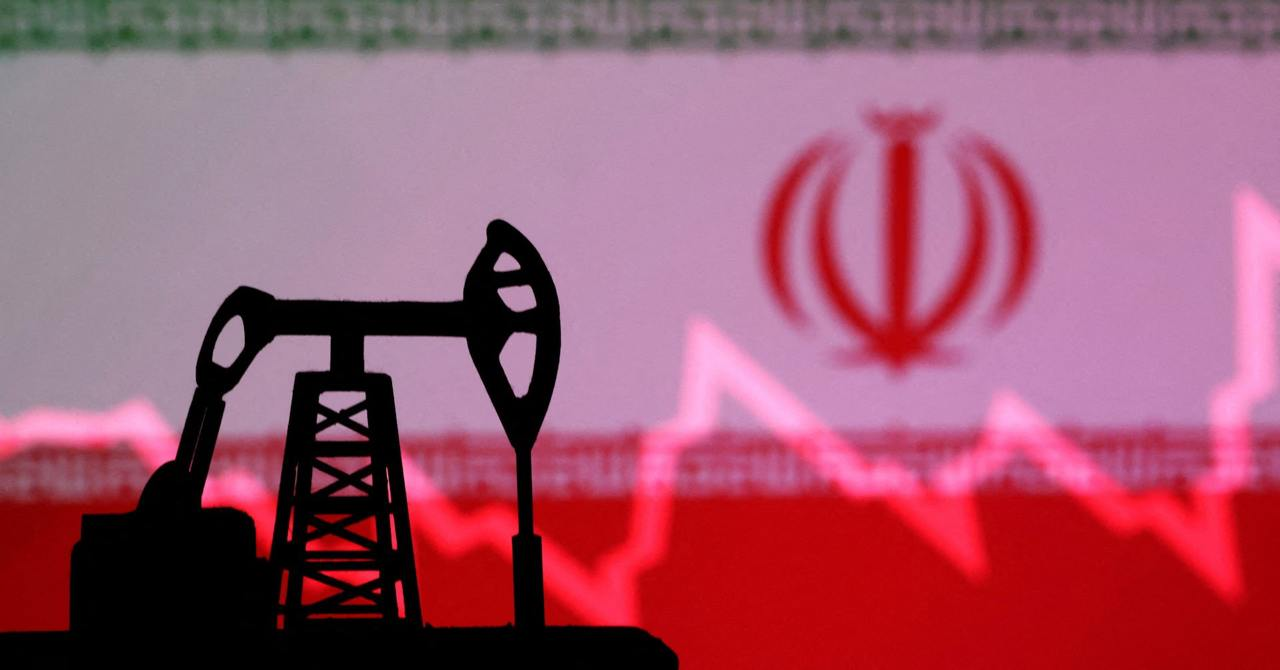
A vast fuel oil smuggling network has emerged in Iraq, allegedly generating over $1 billion annually for Iran and its allies, according to intelligence reports and sources familiar with the operation. This scheme has flourished since Prime Minister Mohammed Shia al-Sudani assumed office in 2022, exploiting government subsidies for heavy fuel oil (HFO) designated for asphalt plants.

Key Details of the Smuggling Network

  1. Scope and Routes
    • Monthly diversion of 500,000 to 750,000 metric tons of HFO, equivalent to 3.4 to 5 million barrels.
    • Two primary routes:
      • Blending Iraqi and Iranian fuel oil to evade U.S. sanctions.
      • Exporting subsidized fuel with forged documentation to disguise its origins.
  2. Key Players and Control
    • Central roles played by Iranian-backed militias such as Asaib Ahl al-Haq (AAH) and Kataib Hezbollah, both tied to Iran’s Revolutionary Guards.
    • The Iraqi State Company for Mining Industry and private entities are deeply implicated.
    • Alleged manipulation of government allocation policies to facilitate smuggling.
  3. Economic Impact
    • Subsidized prices for fuel oil allow significant profit margins on the international market, with export prices ranging from $300 to $500 per ton.
    • Iraqi exports of fuel oil are projected to surpass 18 million tons in 2023, doubling 2021 figures.

Political and Geopolitical Dynamics

  • Iran’s Role
    • Iran benefits from blending operations that enhance the market value of its sanctioned fuel oil.
    • The funds support Iran’s regional influence and proxies, including militias in Iraq.
  • Iraq’s Challenges
    • Iraqi leadership faces pressure from the U.S. to curtail smuggling but depends on Iranian-backed groups for political stability.
    • Prime Minister Sudani’s policies, including reducing subsidized prices and reviewing allocations, appear insufficient to dismantle the network.
  • U.S. Concerns
    • The illicit trade places Iraqi officials at risk of U.S. sanctions, especially given ties to entities like AAH, whose leader, Qais al-Khazali, has been sanctioned since 2019.

Operational Details

  • Blending and Export
    • Blending occurs primarily in Basra, with Khor Al Zubair and Umm Qasr ports serving as export hubs.
    • Iraqi engineers execute blending during ship-to-ship transfers, complicating detection of mixed origins.
  • Policy Exploitation
    • Subsidies and overallocated quotas for asphalt plants are exploited to create surplus fuel for smuggling.
    • Some plants are allegedly fictitious, existing solely to secure fuel oil for export.

Recent Developments

Efforts to reform the system include raising subsidized fuel prices and reviewing plant allocations, yet the smuggling continues. Despite modest price hikes in July, subsequent reductions hint at persistent vulnerabilities in the oversight framework.