
Stellantis Reverses Ohio Layoffs Weeks After CEO Carlos Tavares’ Resignation

Stellantis has reversed its decision to lay off approximately 1,100 workers at its Jeep plant in Toledo, Ohio, less than three weeks after the sudden resignation of CEO Carlos Tavares. The Franco-Italian automaker announced late Saturday that it will not proceed with the indefinite layoffs scheduled to begin on January 5, citing an extension of worker adjustment and retraining notices instead.

In a statement, Stellantis confirmed that employees will resume work as planned after the New Year. The company had initially announced the layoffs as part of a shift reduction at the Toledo South Assembly Plant, which manufactures the Jeep Gladiator, aiming to streamline operations and manage inventory more effectively in its North American market.

CEO Resignation and Strategic Challenges

The decision comes in the wake of Tavares’ abrupt departure, reportedly spurred by disagreements with board members over targets deemed unrealistic or harmful to the company. Tavares had been instrumental in driving cost-cutting measures at Stellantis, including significant workforce reductions across its U.S. operations.

Under his leadership, Stellantis announced several high-profile layoffs in 2023, including 400 workers at a Detroit automotive parts facility and up to 2,450 employees at a Michigan factory where production of the Ram 1500 Classic truck was being phased out.

Pressures in the U.S. Market

Stellantis has faced declining sales in North America, a historically profitable region due to the popularity of Jeep and Ram vehicles. The company’s cost-reduction efforts, while aimed at boosting efficiency, have drawn criticism from union leaders and sparked tensions with the United Auto Workers (UAW).

UAW President Shawn Fain has accused Stellantis of failing to honor commitments to the union and has threatened nationwide strikes in response to workforce reductions. While Stellantis maintains it is adhering to contractual obligations, the layoffs have become a focal point of labor disputes.

Broader Implications

The reversal of layoffs at the Ohio plant marks a notable shift in Stellantis’ approach, suggesting potential reevaluation of its North American operations strategy in the post-Tavares era. Whether this signals a broader change in the company’s cost-cutting measures remains to be seen.
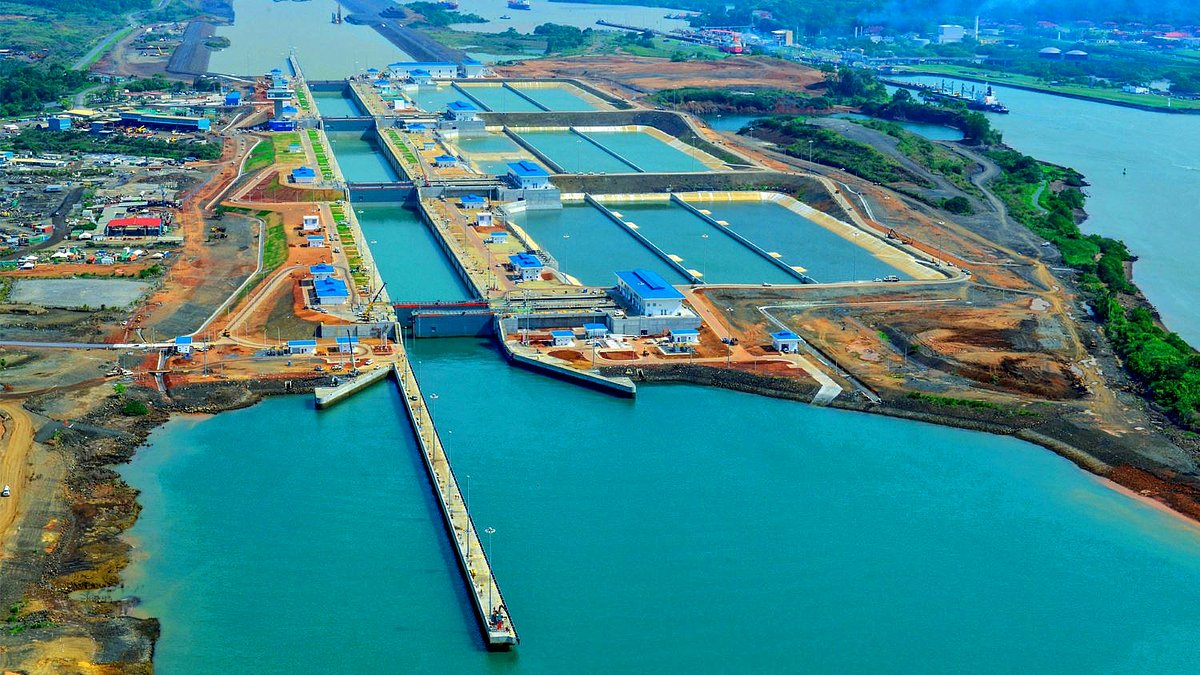
 

Trump Threatens to Demand U.S. Control of Panama Canal Over “Excessive Rates”

President-elect Donald Trump took to Truth Social on Saturday, accusing Panama of charging “ridiculous” fees for the use of the Panama Canal. He warned that if the canal was not managed to U.S. satisfaction, he might demand that Panama hand over control of the waterway to the United States.

In his post, Trump raised concerns about potential Chinese influence over the canal, stating it must not fall into “the wrong hands.” His remarks underscore what many expect to be a more aggressive stance in U.S. diplomacy during his presidency. Trump’s rhetoric has frequently involved strong-arm tactics with allies and bold declarations on international matters.

History of U.S.-Panama Canal Relations

The Panama Canal, a critical waterway for global trade, was constructed largely under U.S. oversight in the early 20th century. For decades, the U.S. managed the canal and the surrounding territory. However, the canal was fully transferred to Panamanian control in 1999 following a 1977 treaty signed by President Jimmy Carter that gradually shifted its administration to Panama.

Trump’s Justification for Reclaiming the Canal

Trump’s post framed the canal’s handover as an act of U.S. “generosity” toward Panama, asserting that this magnanimous gesture was based on principles of cooperation. He accused Panama of breaching these principles through its current fee structure.

“The fees being charged by Panama are ridiculous, especially knowing the extraordinary generosity that has been bestowed to Panama by the U.S.,” Trump wrote. “If the principles, both moral and legal, of this magnanimous gesture are not followed, then we will demand that the Panama Canal be returned to us, in full, and without question.”

Diplomatic Fallout and Concerns Over Chinese Influence

Trump’s comments also hinted at fears of Chinese involvement in the management of the canal, a strategic passage connecting the Atlantic and Pacific Oceans. While Trump did not provide specific evidence, his statement reflects broader U.S. concerns about growing Chinese influence in Latin America.

The Panamanian embassy in Washington has not yet responded to Trump’s comments.

Implications for U.S.-Panama Relations

Trump’s remarks mark a rare instance of a U.S. leader suggesting the possibility of demanding territorial control from a sovereign ally. The comments may strain U.S.-Panama relations and raise questions about how Trump’s administration will approach long-standing diplomatic agreements.


El Salvador to Continue Bitcoin Purchases Despite IMF Warning

El Salvador has confirmed that it will continue buying bitcoin, potentially at an increased rate, despite receiving warnings from the International Monetary Fund (IMF) to limit its exposure to the cryptocurrency. The announcement came a day after the government secured a $1.4 billion loan agreement with the IMF, which included provisions for scaling back its bitcoin policies.

Government’s Commitment to Bitcoin

Stacy Herbert, the director of El Salvador’s National Bitcoin Office, stated on X that bitcoin would remain legal tender in the country and that the government would continue to build its strategic reserves of the cryptocurrency. This decision comes despite the IMF’s recommendation that El Salvador limit its bitcoin holdings.

IMF Agreement and Bitcoin Policies

As part of the deal with the IMF, El Salvador agreed to reduce its bitcoin-related policies, including the stipulation that tax payments would no longer be accepted in bitcoin, but only in U.S. dollars, the country’s other official currency. IMF spokesperson Julie Kozack also confirmed that upcoming legal reforms would make bitcoin’s acceptance by the private sector voluntary.

Potential Motivations Behind the Decision

Eugene Epstein, head of trading and structured products for North America at Moneycorp, suggested that the government’s decision to continue purchasing bitcoin could be a response to mitigate any negative reactions to the perceived reduced role of the cryptocurrency in the country. Given the terms of the IMF deal, Epstein believes that continuing to purchase bitcoin could have been a strategic move by President Nayib Bukele.

Current Bitcoin Holdings

El Salvador currently owns 5,968 bitcoins, valued at approximately $594 million. The country made history in September 2021 by becoming the first in the world to adopt bitcoin as legal tender, alongside the U.S. dollar, despite facing opposition from the IMF over the potential financial and legal risks.

The Future of Bitcoin in El Salvador

Bukele has been vocal about positioning El Salvador as a hub for digital currency adoption, including hosting the “Adopting Bitcoin” conference last month. The country also boasts “Bitcoin Beach,” a tourist spot where local businesses have started accepting bitcoin payments.