One Major Challenge Facing Trump’s Chosen Health Leaders: Keeping Politics Separate from Science

When President-elect Donald Trump announced his picks for top health leadership roles, including Dr. Janette Nesheiwat for U.S. surgeon general, Dr. David Weldon for CDC director, and Dr. Marty Makary for FDA commissioner, reactions among public health experts were mixed. These leaders face scrutiny not just for their qualifications, but for how they’ll handle the inevitable conflict between political pressure and scientific integrity.

Reactions to the Appointments

Experts generally expressed approval of Nesheiwat and Makary, but many voiced concerns about Weldon, particularly due to his controversial past views on vaccine safety. As public health agencies like the CDC and FDA are crucial in shaping health policy, the independence of these leaders will be closely watched. A central issue is whether they will maintain a commitment to evidence-based science, despite political pressures, especially with figures like Robert F. Kennedy Jr. – an outspoken anti-vaccine advocate – leading the Department of Health and Human Services (HHS).

Challenges in Maintaining Scientific Integrity

Public health experts emphasized the difficulty these appointees will face in resisting external political influences. Brown University’s Dr. Ashish Jha warned that it could be “very hard to defy your boss,” referencing the challenges faced by the CDC and FDA leaders if they are pressured by someone with anti-science views like Kennedy.

Nesheiwat and Makary are seen as open-minded physicians, but experts fear that Weldon’s history of questioning vaccine safety could have a damaging influence on his leadership at the CDC. Dr. Jerome Adams, former surgeon general under Trump, raised concerns about Weldon’s previous efforts to separate vaccine safety from CDC oversight, calling it a “disastrous” move for public health if promoted again.

Vaccine Policy as a Key Issue

Vaccination policy, especially in light of the COVID-19 pandemic, remains one of the most pressing issues for U.S. health agencies. Experts like Dr. Peter Hotez of Texas Children’s Hospital and Dr. Jennifer Nuzzo of Brown University underscored that a health leader’s stance on vaccines is a crucial indicator of their ability to make scientifically sound decisions. For example, Weldon’s past support for anti-vaccine measures raises concerns that his leadership could lead to reduced vaccination rates, with severe consequences such as measles outbreaks.

Dr. Paul Offit, a leading vaccine expert, warned that the possible return of measles, a disease previously eradicated due to widespread vaccination, could be a direct consequence of appointing leaders who subscribe to or enable vaccine misinformation.

Public Health and Political Influence

While the CDC and FDA are typically independent of political influence, many experts worry that under Kennedy’s leadership at HHS, there will be unprecedented interference. This raises questions about whether these agencies will be able to focus on public health science rather than political considerations. Dr. Hotez remarked that ensuring science-driven policy remains at the forefront is vital to avoid unnecessary public health crises.

In response to concerns about Weldon’s views on vaccines, experts like Dr. Amesh Adalja from the Johns Hopkins Center for Health Security emphasized the dangers of elevating individuals with a history of promoting vaccine misinformation. If confirmed, experts fear that this could lead to the dismantling of trusted vaccine programs, reversing progress made in public health.

Uncertain Future for Makary and Nesheiwat

Makary and Nesheiwat remain somewhat enigmatic figures in the public health arena. While they have demonstrated solid medical knowledge, the concerns revolve around their ability to navigate the political environment, particularly in relation to vaccine policy. Experts like Dr. Offit hope that Makary will take a firm stance against the anti-vaccine rhetoric of figures like Kennedy, but his previous hesitations regarding vaccine-related issues leave some uncertainty.

Conclusion

The upcoming Senate confirmations for these key health roles will be crucial in determining whether politics or science will take precedence in U.S. public health policy. As experts express concern over the influence of political figures like Robert F. Kennedy Jr., the broader public health community is watching closely to see whether Trump’s nominees will maintain their independence or succumb to political pressures.
 

Starbucks Opens Cafe with a View of North Korea

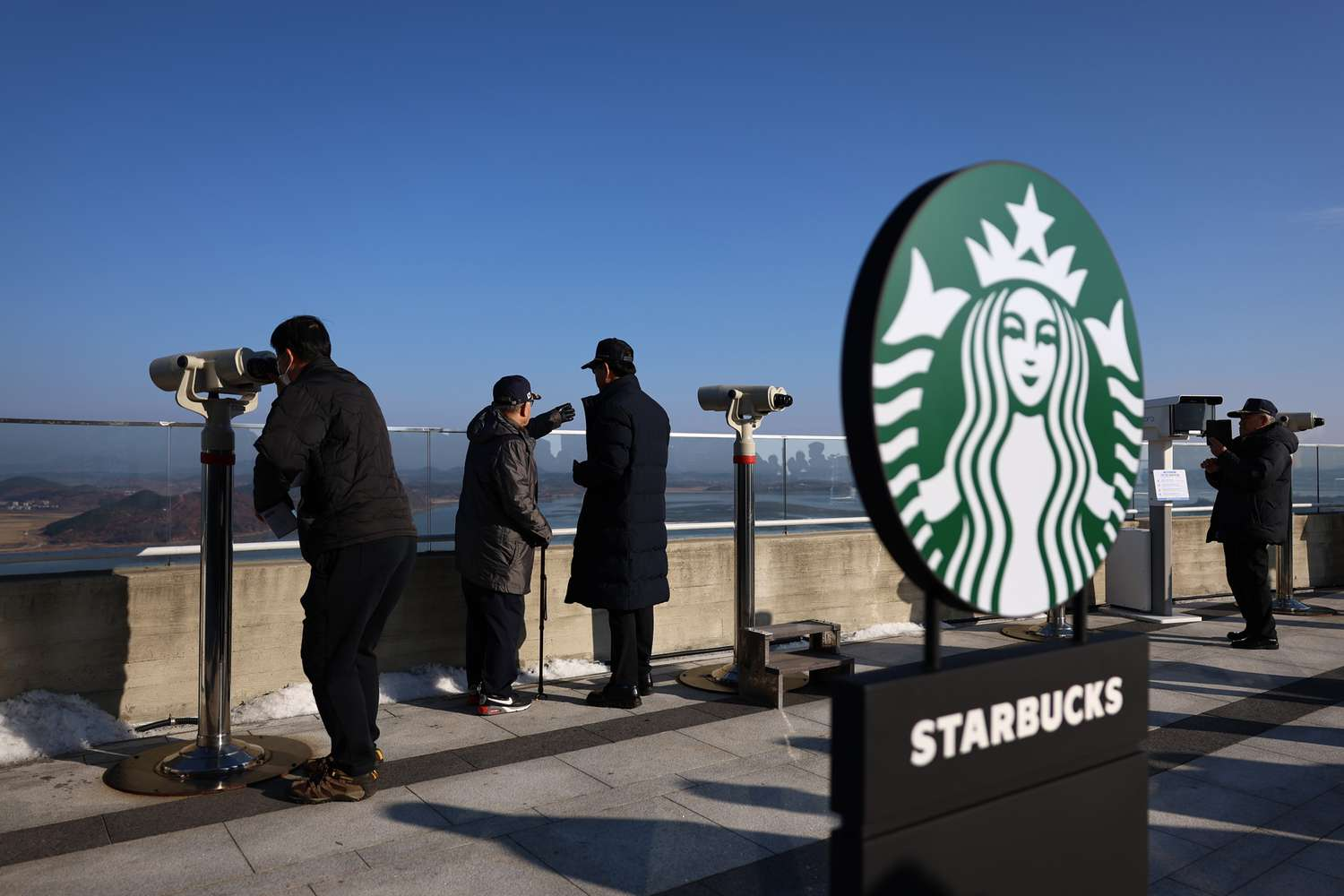
Starbucks has opened a unique cafe in South Korea, offering coffee lovers the chance to enjoy their brews while gazing across the border into North Korea. Located in the Aegibong Peace Ecopark in Gimpo city, the cafe sits on an observation tower, just 20 miles north of Seoul, and offers a view of the Hermit Kingdom across the Jo River, which separates the two nations.

The 30-seat Starbucks opened its doors on Friday, November 29, drawing crowds eager to witness the rare sight of North Korea from afar. On clear days, patrons can spot farms and low-rise buildings in Kaepung county, one of North Korea’s border regions. Some visitors with binoculars or high-powered cameras even reported glimpsing people walking in the distance.

“I wish I could share this tasty coffee with the people living in North Korea right in front of us,” said local resident Baek Hea-soon, 48, reflecting on the symbolic nature of the location.

A Unique Location with Historical Significance

The cafe’s position at the Aegibong Peace Ecopark is steeped in history. Situated near the Korean Demilitarized Zone (DMZ), which remains one of the most heavily fortified borders in the world, the area once hosted Hill 154, a site of fierce fighting during the Korean War. Today, the park serves as a point of interest for tourists seeking a rare glimpse into North Korea.

Gimpo Mayor Kim Byung-soo praised the location as an embodiment of the “charm of Korean culture,” while local authorities aim to leverage the site’s historical importance to increase tourism. The Starbucks outlet is one of the few ways for South Koreans and international visitors to get a look at North Korea, albeit from a distance, without entering the isolated country.

Visitors’ Reactions and International Context

On opening day, some patrons, like 80-year-old Lim Jong-chul, noted the contrast between the tense security of the region and the sense of peace offered by the cafe’s serene setting. Lim, a Vietnam War veteran, expressed that the cafe gave a feeling of reassurance despite the political tensions that persist.

The cafe’s debut comes at a time of heightened tension between North and South Korea. Despite an armistice ending the Korean War in 1953, the two countries technically remain at war, with no formal peace treaty signed. Recent remarks from North Korean leader Kim Jong Un, including threats to use nuclear weapons against South Korea, have further strained relations.

A Shift in North Korea’s Tourism Policy

While North Korea is currently closed to tourists due to the Covid-19 pandemic, tour companies suggest that the country may begin to reopen limited international tourism by the end of 2024. In the meantime, the Starbucks at the DMZ offers a new way for visitors to engage with the geopolitical landscape and the ongoing divide between the two Koreas.

The cafe provides an alternative to the typical DMZ tours that attract thousands of visitors annually, offering a unique blend of coffee culture and a front-row seat to one of the world’s most politically charged borders.


Nearly 1,000 Endangered Animals Repatriated from Thailand to Madagascar

In a significant victory against wildlife trafficking, nearly 1,000 endangered tortoises and lemurs are being returned from Thailand to their native Madagascar. This repatriation, which began Saturday, is the largest operation of its kind between the two nations, Thai officials announced.

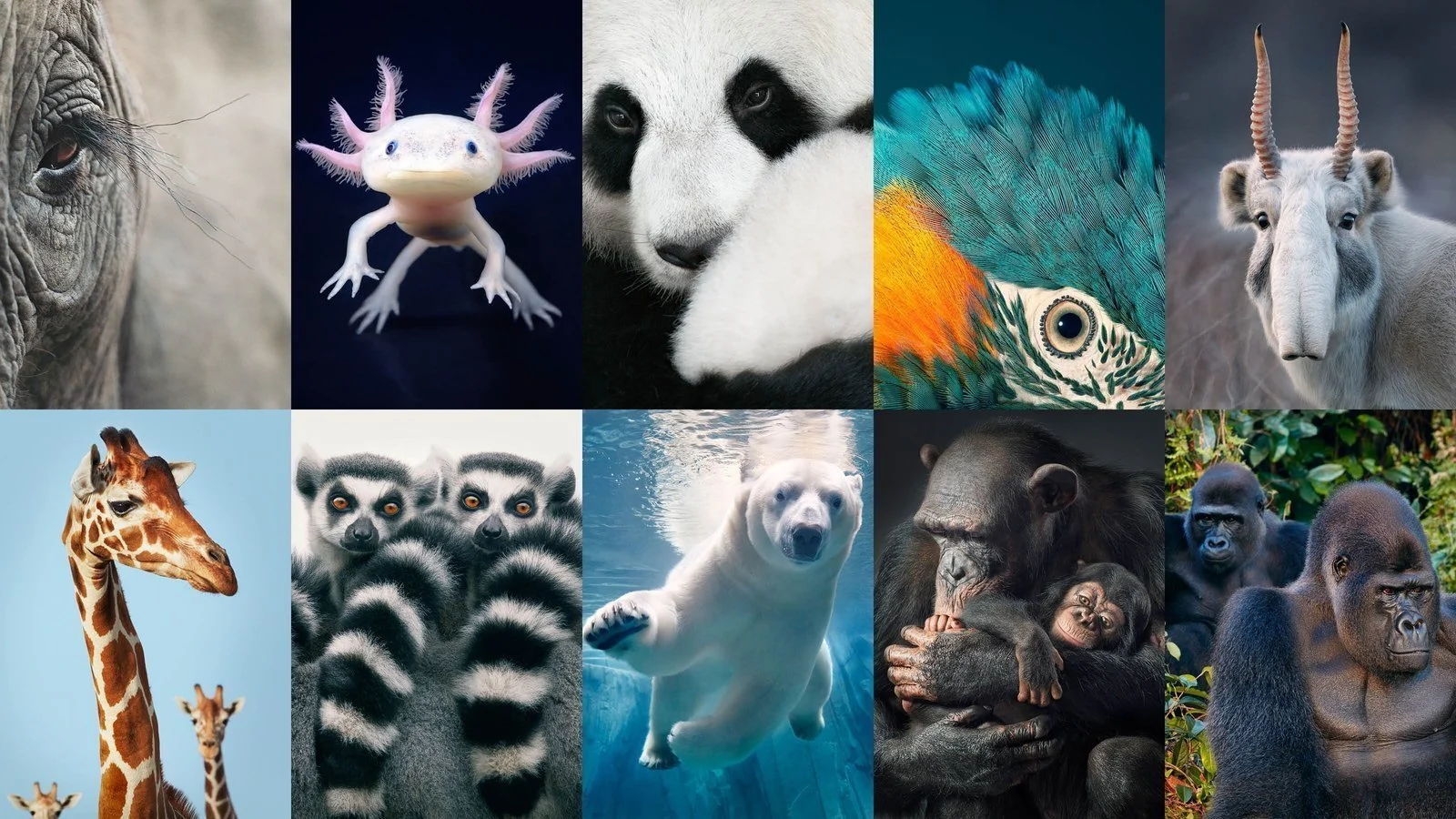
The animals, which include critically endangered spider tortoises, radiated tortoises, ring-tailed lemurs, and brown lemurs, were seized in May during an anti-trafficking operation in Chumphon province. The species are listed under the Convention on International Trade in Endangered Species of Wild Fauna and Flora (CITES) as among the world’s most endangered. They are often targeted for the exotic pet trade, despite the difficulties in replicating their natural habitats, which puts their survival at significant risk.

Recovery and Challenges

Thai authorities rescued 1,117 animals during the operation, but eight had already died due to harsh conditions during smuggling. Others succumbed later due to poor health caused by inadequate food, water, and unsuitable living conditions.

Despite these losses, Thai officials, in collaboration with Madagascan authorities, are sending 961 surviving animals back home on three Qatar Airways flights. The first group departed Saturday, following an official handover ceremony in Bangkok.

Dr. Chalermchai Sri-on, Thailand’s Minister of Natural Resources and Environment, emphasized the operation as a testament to Thailand’s commitment to combating illegal wildlife trafficking and ensuring the welfare of rescued animals.

A Global Message Against Trafficking

Attapol Charoenchansa, head of Thailand’s Department of National Parks, Wildlife, and Plant Conservation, highlighted the global significance of the operation. “Broadcasting such efforts worldwide sends a strong message that wildlife trafficking is unacceptable, even for those with the resources to purchase and collect these animals,” he stated.

The UK-based conservation group Traffic praised the operation, calling it “a true testament to the power of international collaboration” in addressing wildlife trafficking.

Madagascar’s Biodiversity Under Threat

Illegal wildlife and timber trades are identified as the second-largest threat to Madagascar’s biodiversity, according to Traffic’s 2023 report. Thailand, the largest importer of Malagasy wildlife in Southeast Asia, plays a key role in this trade, which often involves re-exporting threatened species. From 1975 to 2019, Thailand imported nearly 35,000 animals and animal products from Madagascar, either directly or indirectly.

This repatriation effort marks a critical step in preserving Madagascar’s unique and threatened ecosystems while raising global awareness about the perils of wildlife trafficking.