TD Bank Appoints Georgia Stavridis to Strengthen Financial Crimes Oversight

TD Bank has appointed Georgia Stavridis as vice president of financial crimes risk management, a newly created role aimed at bolstering the institution’s compliance measures, according to three sources familiar with the matter. Stavridis, who previously served as HSBC Bank Canada’s chief compliance officer in 2020, joined Royal Bank of Canada (RBC) earlier this year after its $10 billion acquisition of HSBC’s Canadian operations.

In her new position, Stavridis will oversee strategy, performance, and results for TD’s Canadian financial intelligence unit, reflecting the bank’s commitment to enhancing its compliance and risk management programs.

This appointment follows TD Bank’s recent legal challenges. In October, TD became the largest U.S. bank in history to plead guilty to violating anti-money laundering laws, resulting in over $3 billion in penalties. As part of its remedial measures, TD has aggressively recruited top talent for its compliance and risk teams. These include Herb Mazariegos, previously with BMO, as its chief global anti-money-laundering officer, and several former officials from the FBI, U.S. Department of Homeland Security, and Citi.

Stavridis’ prior experience will be critical in navigating TD’s ongoing compliance transformation. HSBC Bank Canada, where she was previously chief compliance officer, faced its own regulatory challenges in 2013 when its parent company, HSBC Holdings Plc, paid $1.92 billion in fines for breaching anti-money-laundering and sanctions regulations in the U.S.

RBC has seen multiple departures from HSBC executives following the expiration of a six-month retention guarantee post-acquisition. This trend reflects a broader reshuffling of talent in the Canadian banking sector as institutions focus on strengthening regulatory compliance and financial crime prevention.


China’s Factory Activity Expands for Second Month Amid Stimulus and Trade Uncertainty

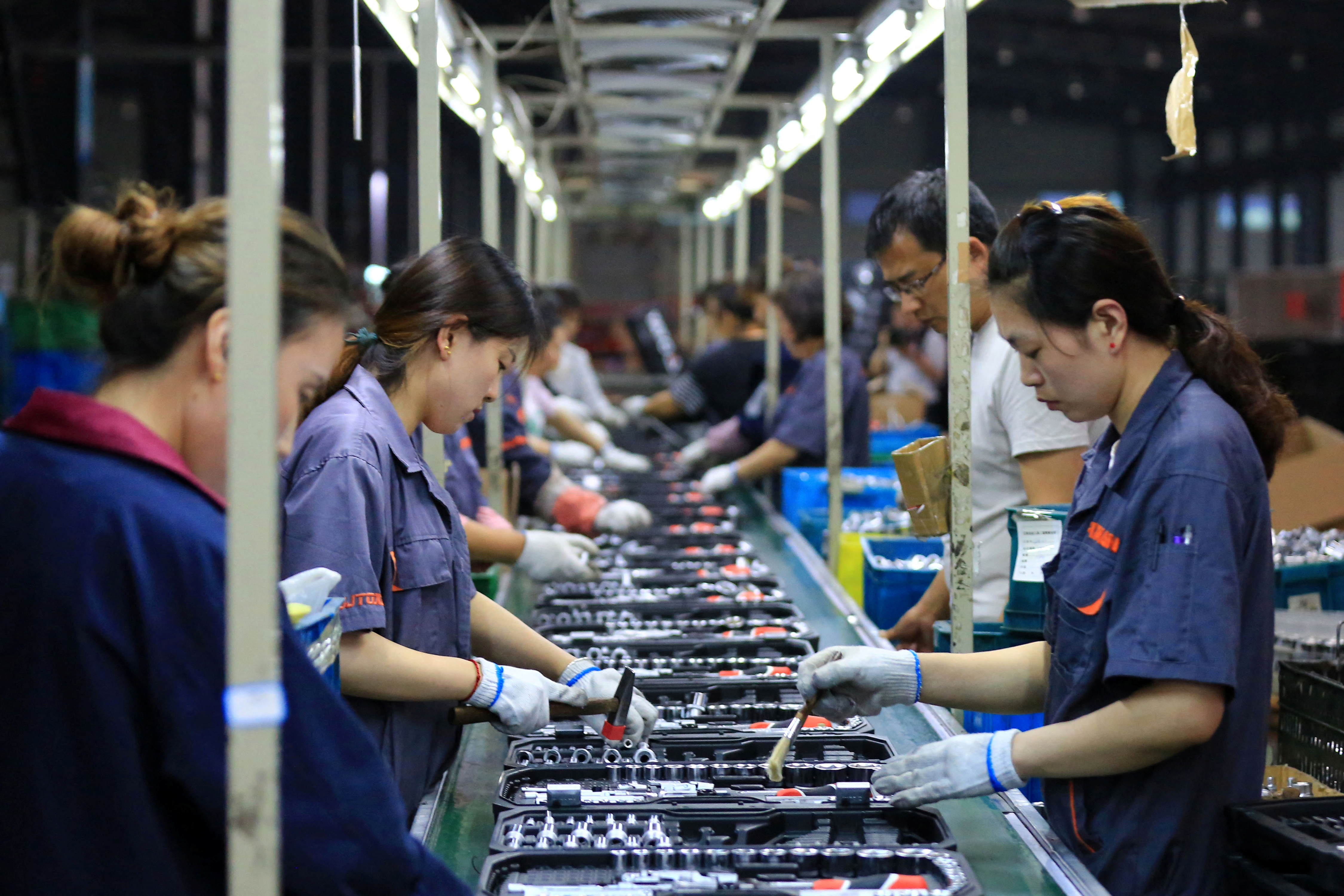
China’s manufacturing sector showed modest growth for the second consecutive month in November, with the official purchasing managers’ index (PMI) rising to 50.3, a seven-month high, up from October’s 50.1. This figure, released by the National Bureau of Statistics, exceeded expectations of 50.2 from a Reuters poll, signaling a recovery in the world’s second-largest economy. A reading above 50 indicates expansion, while below that signals contraction.

This improvement follows months of a sluggish manufacturing environment, where tumbling producer prices and declining orders weighed heavily on factory output. Two consecutive months of expansion suggest that Beijing’s recent stimulus measures are beginning to boost confidence across factory floors. However, potential trade tensions with the U.S., led by President-elect Donald Trump, cast uncertainty over the outlook for 2024.

Trump recently announced plans to impose a 10% tariff on Chinese goods, aiming to pressure Beijing to curb the production of chemicals used in fentanyl manufacturing. During his campaign, he also hinted at even steeper tariffs of up to 60%, presenting significant risks for China’s export-dependent industrial sector.

In October, Chinese exports surged unexpectedly, a rise attributed to factories accelerating shipments in anticipation of further U.S. and EU tariffs. Analysts fear that such preemptive gains may not translate into long-term stability.

Stimulus Boost but Demand Remains Insufficient
Economists point to fiscal and monetary policy adjustments since the Politburo meeting in late September as contributing to the improved PMI figures. Zhang Zhiwei, president of Pinpoint Asset Management, noted that these measures have provided temporary stabilization but cautioned that the 2025 outlook remains unclear.

“The looming trade war will delay corporate investment decisions, and while fiscal stimulus is expected, its scale and focus remain uncertain,” Zhang said. A key policy meeting in December may provide more clarity on China’s economic strategies for 2024.

The November PMI data revealed a mixed picture: total new orders grew for the first time in seven months, but export orders contracted for the seventh consecutive month. Zhang Liqun, an analyst at the China Logistics Information Center, highlighted that insufficient demand continues to constrain production. He emphasized the need for stronger government-driven public investments to stimulate enterprise orders.

Non-manufacturing PMI, which encompasses construction and services, dropped to 50.0 in November from 50.2 in October. While services sector activity showed modest growth for the second month, the overall trend underscores lingering weaknesses in the broader economy.

Government Stimulus and Signs of Recovery
China has introduced substantial stimulus packages to support its economy. A 10 trillion yuan ($1.38 trillion) debt program was unveiled earlier in November to address municipal financing challenges. The central bank’s September intervention, marking its largest since the pandemic, was aimed at steering the economy toward the government’s growth target of around 5%.

Early signs of economic recovery are emerging. Retail sales posted their strongest growth since February, while property sector declines began to narrow. However, industrial output slowed slightly in October, and industrial profits continued to decline, reflecting persistent challenges for businesses.

China’s November composite PMI, which includes manufacturing and services activity, remained steady at 50.8, further hinting at stabilization. Analysts await the private-sector Caixin factory survey, set to be released Monday, which is expected to edge up to 50.5.

Despite these signs of improvement, economic vulnerabilities persist. Policymakers are reportedly considering maintaining the 5% growth target for 2024 and implementing additional measures to bolster domestic demand.


 

New International Airport in Nuuk Set to Boost Greenland’s Tourism

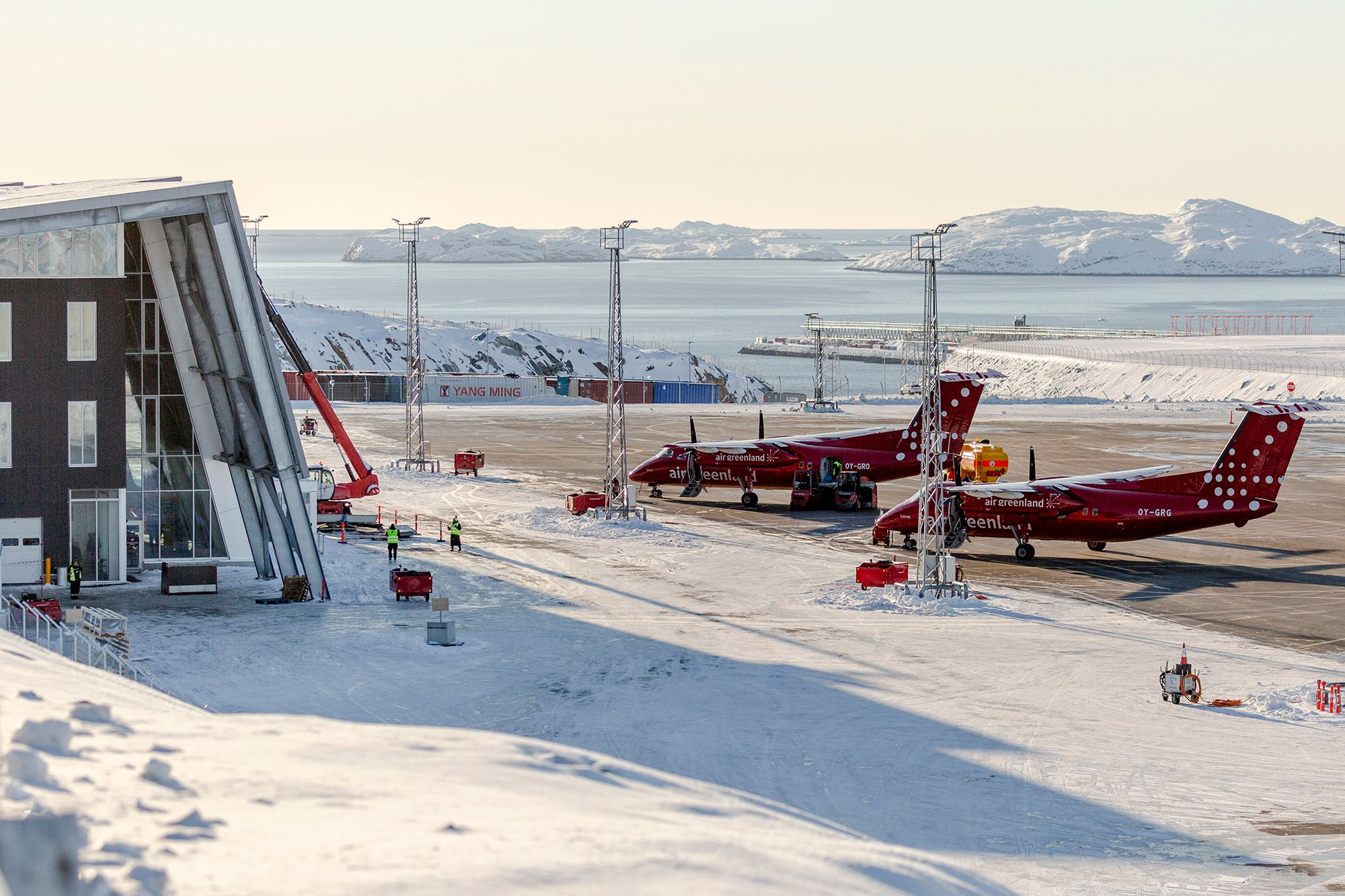
Greenland, long known for its vast icy landscapes and remote location, is about to become much more accessible with the opening of its new international airport in the capital city of Nuuk on November 28. This new airport features a 2,200-meter (7,217-foot) runway that will allow larger planes to connect the Arctic region with the rest of the world, reducing its isolation.

Starting in June, United Airlines will offer seasonal nonstop flights from Newark, New Jersey, to Nuuk, with the flight taking just over four hours. This marks a significant step forward in Greenland’s tourism potential, already drawing around 130,000 visitors each year via cruise ships and smaller flights. Officials are optimistic about growing visitor numbers while aiming to manage the influx carefully to avoid overwhelming the region.

Before the new airport’s opening, travelers could only fly into smaller airports like Kangerlussuaq or Narsarsuaq, both former U.S. military bases from World War II that could accommodate larger planes. The new Nuuk airport will serve as a hub for Air Greenland, which will operate Airbus A330neo flights to Copenhagen and other destinations, including Reykjavik, Iceland. The facility is designed to handle up to 800 passengers an hour.

Jens Lauridsen, CEO of Greenland Airports, believes the new airport will significantly boost tourism and the local economy. He estimates each flight could contribute $200,000 to Greenland’s economy. Lauridsen reminds potential visitors that Greenland offers a unique and adventurous tourism experience, as it is located in the Arctic.

Qupanuk Olsen, Greenland’s most prominent content creator with over 400,000 YouTube followers, is particularly excited about the new airport and plans to be on the first flight arriving at Nuuk. “It’s going to be amazing,” she says.

Anne Nivíka Grødem, CEO of Visit Greenland, sees the new airport as a milestone for the country’s tourism sector. “Tourism can drive meaningful change,” she notes, emphasizing the need to balance local opportunities with sustainable growth.

In addition to the Nuuk airport, Greenland is set to open two more airports by the end of 2026, in Ilulissat and Qaqortoq. Despite having only about 56 miles (90 kilometers) of paved roads, Greenland’s new airports will make travel within the country more accessible, helping to open up the region and offer a transformative experience for both locals and tourists.

“We want visitors to come with an open mind and a spirit of adventure,” says Grødem. “Greenland offers a chance to reconnect with nature and yourself.”