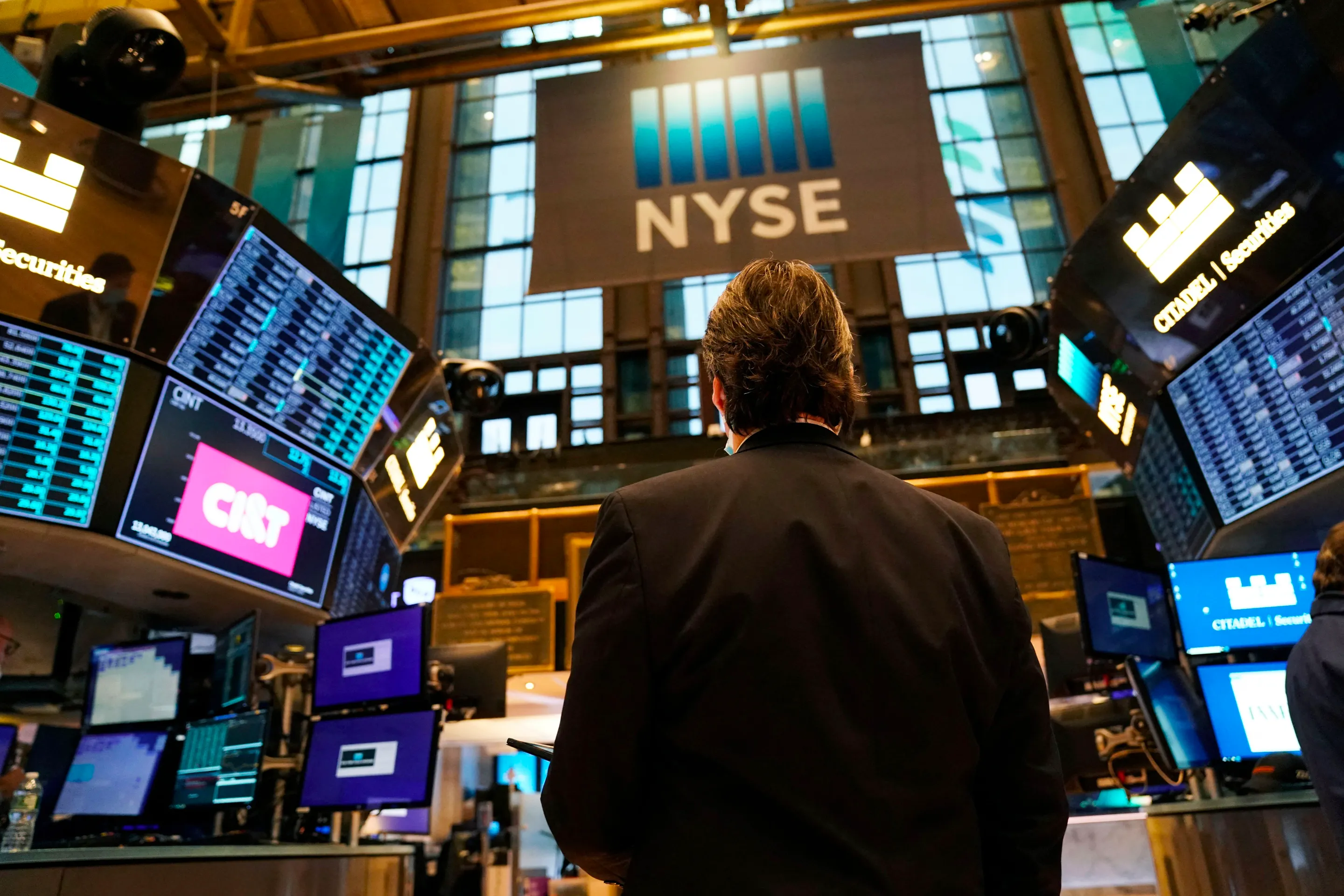
U.S. Inflation Edges Up, But Investors Find Reasons to Be Thankful

Inflation Data and Market Reactions

U.S. inflation in October showed a modest uptick, with the personal consumption expenditures (PCE) price index rising by 0.2% month-over-month and 2.3% year-over-year, as reported by the U.S. Commerce Department. Core inflation, which excludes food and energy, increased by 0.3% month-over-month, with an annual reading of 2.8%, slightly higher than the previous month’s 2.7%. These figures were in line with analysts’ expectations, and they had little impact on investor sentiment.

Despite the inflation data, U.S. stock markets saw a pause in their recent rally. The S&P 500 ended its seven-day winning streak, falling by 0.38%. Bond prices rose as Treasury yields slipped. On the global front, Asia-Pacific stocks saw a mixed performance, with Australia’s S&P/ASX 200 climbing to a record high, while South Korea’s Kospi index remained flat after an unexpected rate cut by its central bank.

South Korea’s Unexpected Rate Cut

On Thursday, the Bank of Korea (BOK) reduced its benchmark interest rate by 25 basis points to 3%, surprising economists who had expected no change. This decision came after South Korea reported disappointing third-quarter GDP growth of just 0.1%. The BOK also lowered its 2024 growth outlook to 2.2%, down from 2.4%. The rate cut is seen as a response to slow economic activity and the need for stimulus.

Yuan Pressure Amid Tariff Threats

China’s offshore yuan is facing downward pressure, with forecasts predicting it could weaken to an average of 7.51 per U.S. dollar by the end of 2025, marking its lowest level on record. This decline is largely attributed to concerns over U.S. tariff threats and lower interest rates in China. As tensions rise between the U.S. and China, the yuan is expected to face further challenges, adding to the uncertainty in the global markets.

U.S. Tariffs: Potential Winners and Losers

While U.S. President-elect Donald Trump’s tariff plans raise concerns for investors and companies, some sectors could stand to benefit. The proposed tariffs could be advantageous for technology firms that specialize in optimizing supply chains. These companies could gain from the increased demand for their services as businesses seek to adjust to the higher costs imposed by tariffs.

Investor Sentiment Ahead of Thanksgiving

Ahead of the Thanksgiving holiday, U.S. investors kept their trading light, with trading volume in the SPDR S&P 500 exchange-traded fund (ETF) falling by 22.6% below its 30-day average. Despite the S&P 500’s dip and the Dow Jones Industrial Average’s 0.31% slide, there were no signs of a panic sell-off. Instead, traders appeared to be taking profits from Big Tech stocks, causing the Nasdaq Composite to drop 0.6%.

Inflation’s modest increase didn’t rattle investors either. In fact, many seem confident that the U.S. Federal Reserve may lower interest rates by 25 basis points at its upcoming December meeting. Market expectations for this rate cut have risen to 68.2%, up from 55.7% a week earlier, according to the CME FedWatch tool.

A Bright Market Outlook

Despite some market fluctuations, the overall sentiment remains positive. Chris Verrone from Strategas noted that over three-quarters of the stocks in the S&P 500 are above their 200-day moving average, indicating a steady upward trend and a healthy market. With the economy nearing full employment and inflationary pressures easing, many analysts believe that the market is still in a solid position, providing investors with plenty to be thankful for this Thanksgiving.
 

Chinese Yuan Expected to Hit Record Lows Amid U.S. Tariff Threats

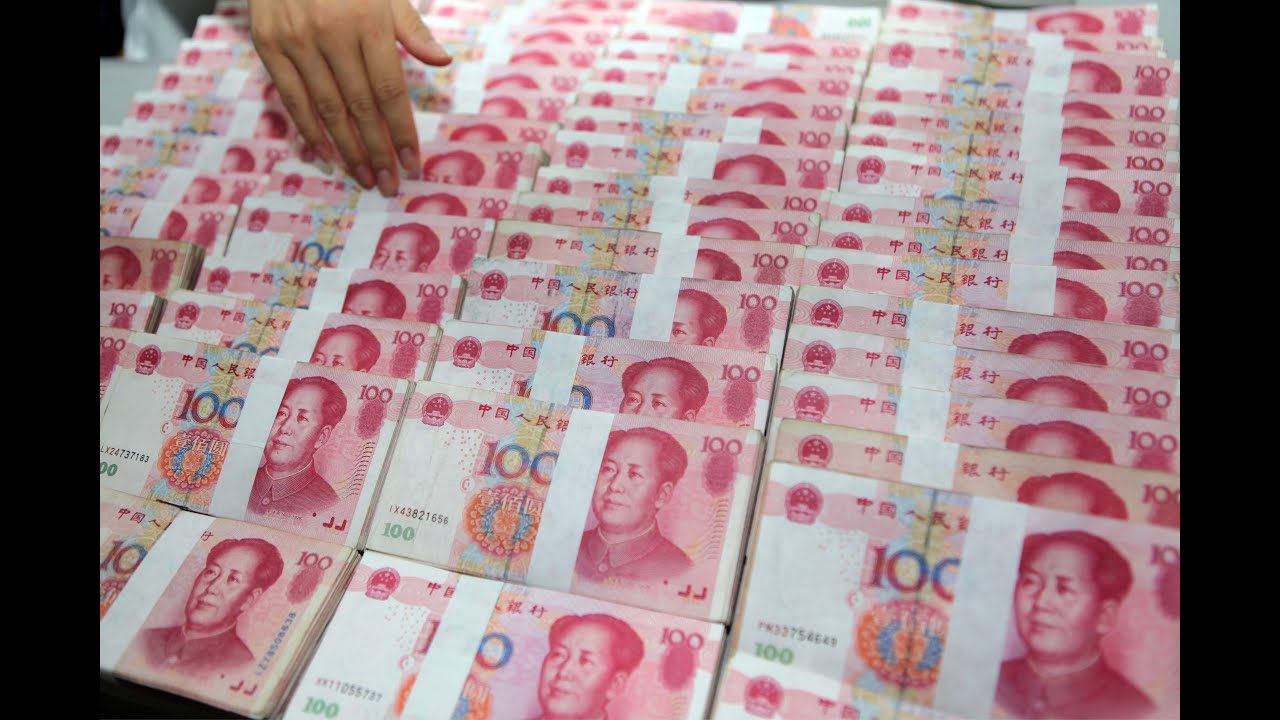
China’s yuan is under increasing pressure, with major investment banks predicting that it could hit record lows by the end of 2025 due to escalating tariff threats from U.S. President-elect Donald Trump. These projections come as Trump reaffirmed his intention to impose substantial tariffs on Chinese imports, amplifying fears of further yuan depreciation.

Currency Forecasts and U.S. Tariffs

Investment firms forecast the offshore yuan to weaken to an average of 7.51 per U.S. dollar by late 2025. This would mark its weakest level on record, surpassing previous lows observed since data tracking began in 2004. Trump’s recent statement, posted on his social media platform, confirmed that he plans to impose an additional 10% tariff on all Chinese goods entering the U.S. This follows his earlier pledge for tariffs up to 60% during his campaign.

The yuan’s depreciation is expected to continue, with some analysts suggesting it could weaken to 8.42 per dollar if the full 60% tariff were to be enacted, reflecting the broad economic impact of such tariffs. Since the U.S. election, the yuan has already dropped over 2%, reaching a level of 7.2514 by Thursday.

Historical Context and Current Concerns

Under Trump’s first term in office, tariffs led to significant yuan depreciation—about 5% in 2018, with an additional 1.5% drop the following year. However, the scale of the current tariff threat and the existing trade imbalance between the U.S. and China have heightened uncertainty. Experts, like Ju Wang from BNP Paribas, point out that the situation now is much more volatile than during Trump’s first term, partly due to the perceived inconsistency in policy announcements from the incoming administration.

The PBOC’s Dilemma

The People’s Bank of China (PBOC) faces a delicate balancing act in maintaining yuan stability. On one hand, they aim to prevent excessive depreciation, which could trigger capital outflows and financial instability. On the other hand, raising interest rates to prop up the currency could harm economic growth, which is already struggling. The PBOC has set a daily reference rate for the yuan at 7.20 against the dollar this year, in an effort to maintain control.

Economists warn that a significant push past the 7.3 level could induce higher volatility, which the PBOC would want to avoid. However, given the economic challenges, there are concerns that the central bank may not want to take drastic actions that could further strain an already faltering economy.

Efforts to Stabilize the Yuan

Despite the challenges, there is hope that the PBOC’s stabilizing measures will help prevent a further drop. Wei Liang Chang from DBS Bank noted that the PBOC’s recent actions to keep key interest rates stable and maintain the yuan’s exchange rate at a manageable level could help stem the tide of depreciation. Additionally, the potential softening of U.S. interest rates under the incoming administration may provide some relief to the yuan.


OPEC+ Delays Oil Production Strategy Meeting to Dec. 5 Amid Market Uncertainty

OPEC+, the global oil alliance, has postponed its upcoming meeting to discuss future oil production strategies until December 5, sources familiar with the matter told CNBC. The meeting, initially set for December 1, will now take place virtually.

Delayed Decision on Production Cuts

The OPEC+ coalition, which includes the Organization of the Petroleum Exporting Countries (OPEC) and its allies, is currently managing multiple production cuts in response to unpredictable global oil demand. The group’s formal output strategy aims to limit production to 39.725 million barrels per day (bpd) into 2025. In addition, eight members have committed to reducing production by 1.7 million bpd voluntarily, with a second round of cuts of 2.2 million bpd set to end in December.

The rescheduling of the meeting is reportedly due to the attendance of key member ministers at the Gulf Summit in Kuwait City on December 1.

Impact of Geopolitical Factors and Price Pressures

The question of whether to extend the second set of 2.2 million bpd cuts remains uncertain. Global oil prices have been under pressure recently, partially due to the implementation of a ceasefire between Israel and Lebanon, which has lessened the risk of oil production disruptions in the Middle East.

Further complicating matters is the ongoing conflict involving Iran, a key OPEC member, which has been engaged in hostilities with Israel and supporting militant groups in the region. Markets are particularly concerned about the potential impact on Iran’s oil infrastructure.

As of the morning of the meeting delay announcement, the price of Brent crude was trading at $72.68 per barrel, a slight decrease of 0.2%. Meanwhile, U.S. WTI crude futures for January delivery were at $68.58 per barrel, also down by 0.2%.

Uncertainty Surrounding U.S. Policy

Adding to the uncertainty in the global oil market is the anticipated return of President-elect Donald Trump in January. Trump has historically promoted a “drill, baby, drill” policy, encouraging increased U.S. oil production. He has also pursued aggressive sanctions against Iran, which could further complicate Tehran’s oil exports, especially to China, the world’s largest crude importer.